
Tottori
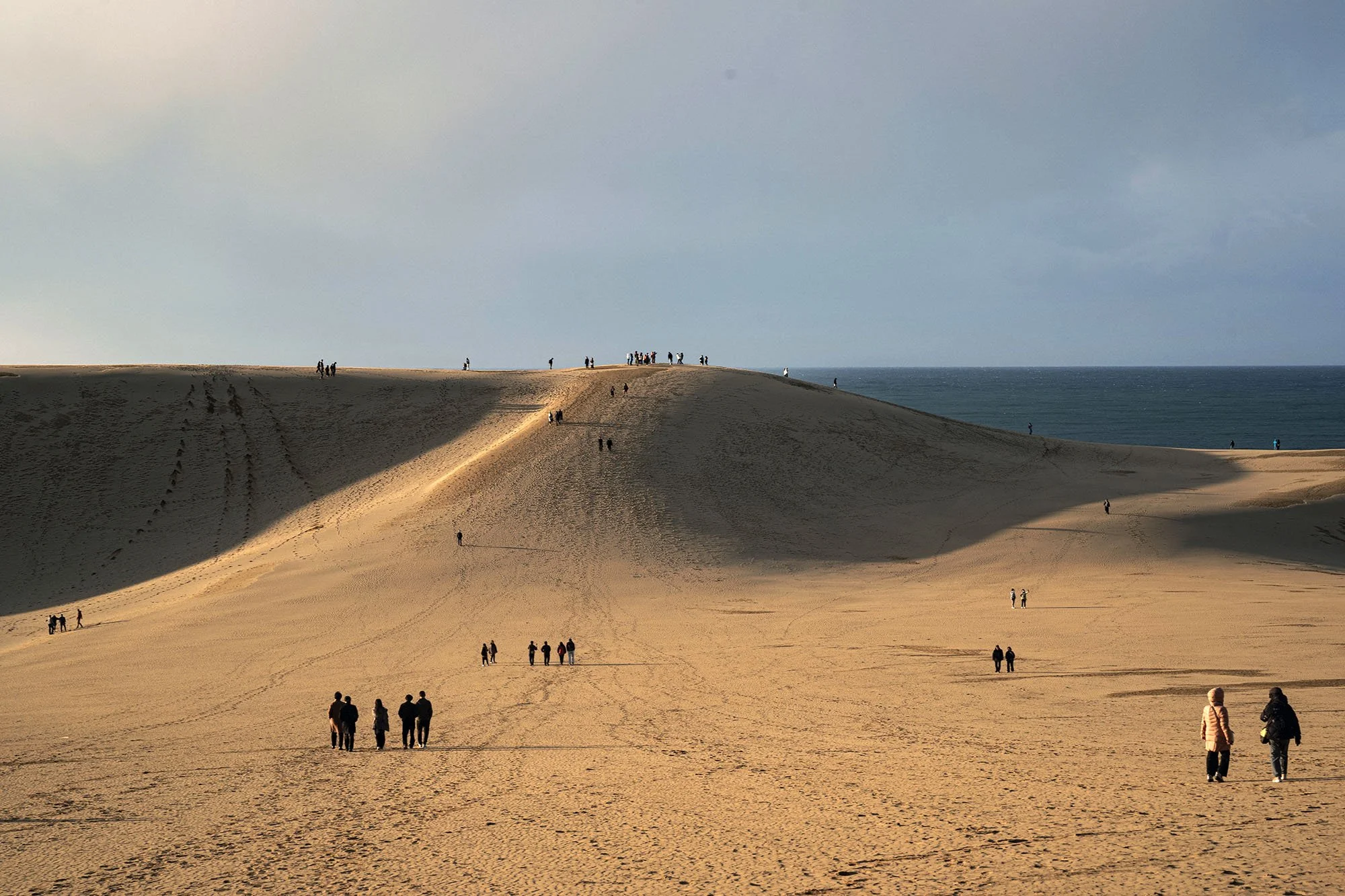
· Tottori is the least populated prefecture in Japan
· It has one of Japan’s most unique landscapes
· It’s known for crab and one of Japan’s most popular manga
As Japan's least populated prefecture, and located near the southern end of Honshu island, Tottori is often forgotten and overlooked by foreigner and Japanese alike.
It’s easy to see why it was the very last prefecture in Japan to get a Starbucks, which ended up opening nearly 20 years after first entering Japan.
I visited Tottori in 2024 and explored a few areas which I’ll share here. If you’d like to see this trip to get a better feel for the area, please check out my video below:
About Tottori
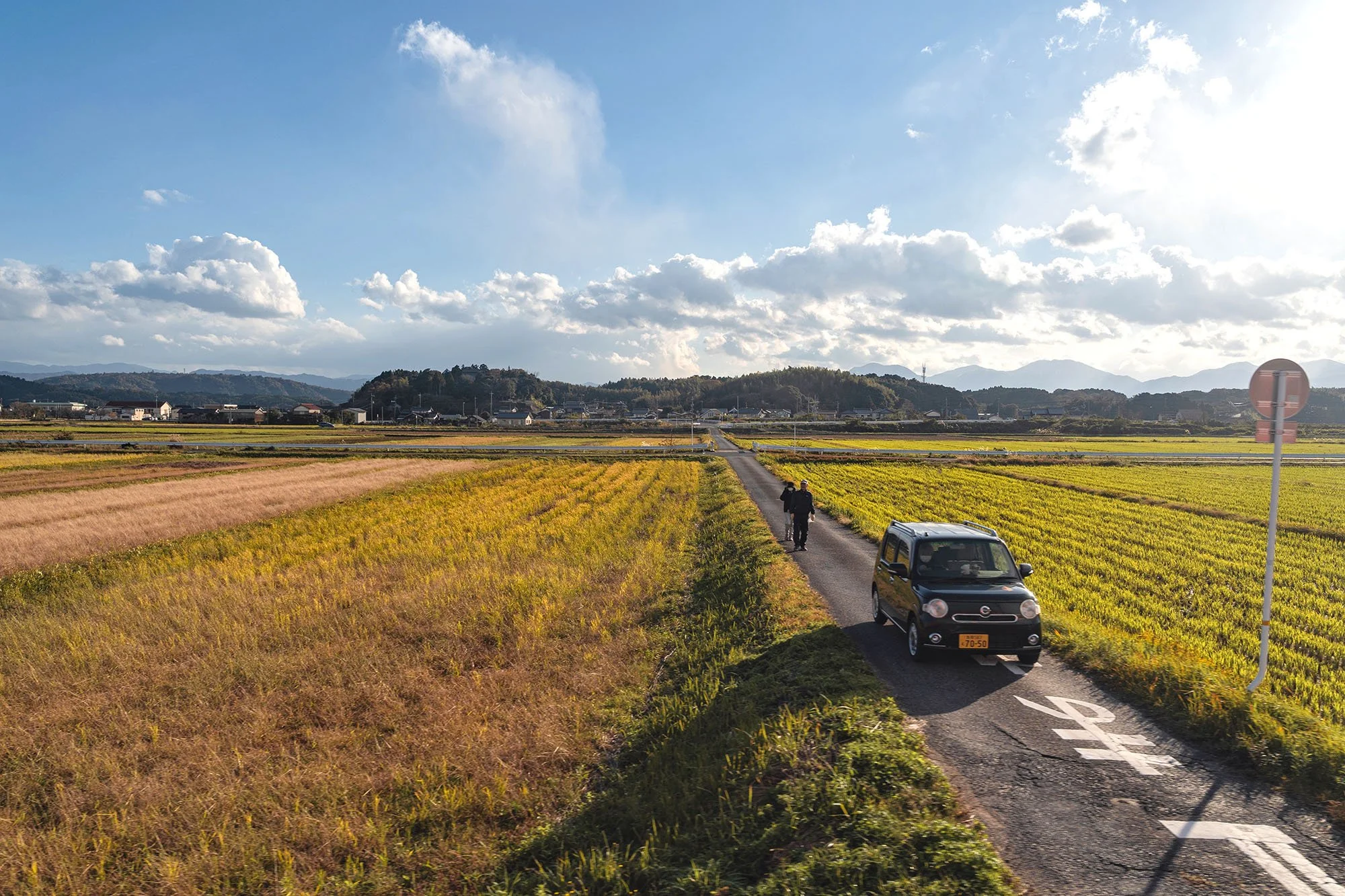
The countryside in Hokuei, Tottori
Tottori Prefecture sits on the Sea of Japan side of Honshu island, between Shimane and Hyogo prefectures, and above Okayama Prefecture. It’s a horizontally shaped, and is built around two main cities; Tottori City and Kurayoshi.
It’s home to historical mountains such as Mt. Daisen and Mt. Mitoku, and a rocky coastline. It’s also famous for its sand dunes.
Despite its small size, Tottori is the proud birthplace of two of Japan's most legendary manga creators; GeGeGe no Kitaro’s Shigeru Mizuki, and Detective Conan’s Gosho Aoyama.
With food, Tottori is most famous for their Matsubagani, or Matsuba crab, which is a snow crab that’s freshly caught during the winter season. Their local ramen uses a gyukotsu, or clear beef-bone broth, rather than the more common pork or chicken bases found elsewhere.
Tottori also produces some of the best strawberries. This isn’t known to most people even in Japan, and it’s very limited when it comes to production volume. However, they’re some of the best I’ve ever had, and my friends will agree after sharing some with them. Personally, I think they’re missing a bit opportunity by not fully leaning into producing more.
During my visit, I saw some of Tottori’s famous sites and ate some of the foods they’re known for, and I’ll share them with you below.
Housing in Tottori
The cost of homes in Tottori vary depending on where it’s located.
The average rent in Yonago, its most expensive area, is 46,500 JPY (USD $291) per month for a 1K studio while a 1LDK single bedroom apartment goes for 56,300 JPY (USD $352) as of August 2026. [J]
How to get there
There are two main airports in Tottori: Tottori Sand Dunes Conan Airport (TTJ) and Yonago Kitaro Airport (YGJ), with the latter being close to neighboring Shimane Prefecture.
Within Tottori, driving is the best bet to get around.
Where to stay
Because there are two main cities in Tottori as well as options near the sand dunes, where to stay depends on what your plans are.
We stayed at the Hotel St Palace Kurayoshi, which is right across the street of Kurayoshi Station. It’s a pretty straightforward hotel, but was reasonable and conveniently located.
Things to do
Tottori Sand Dunes
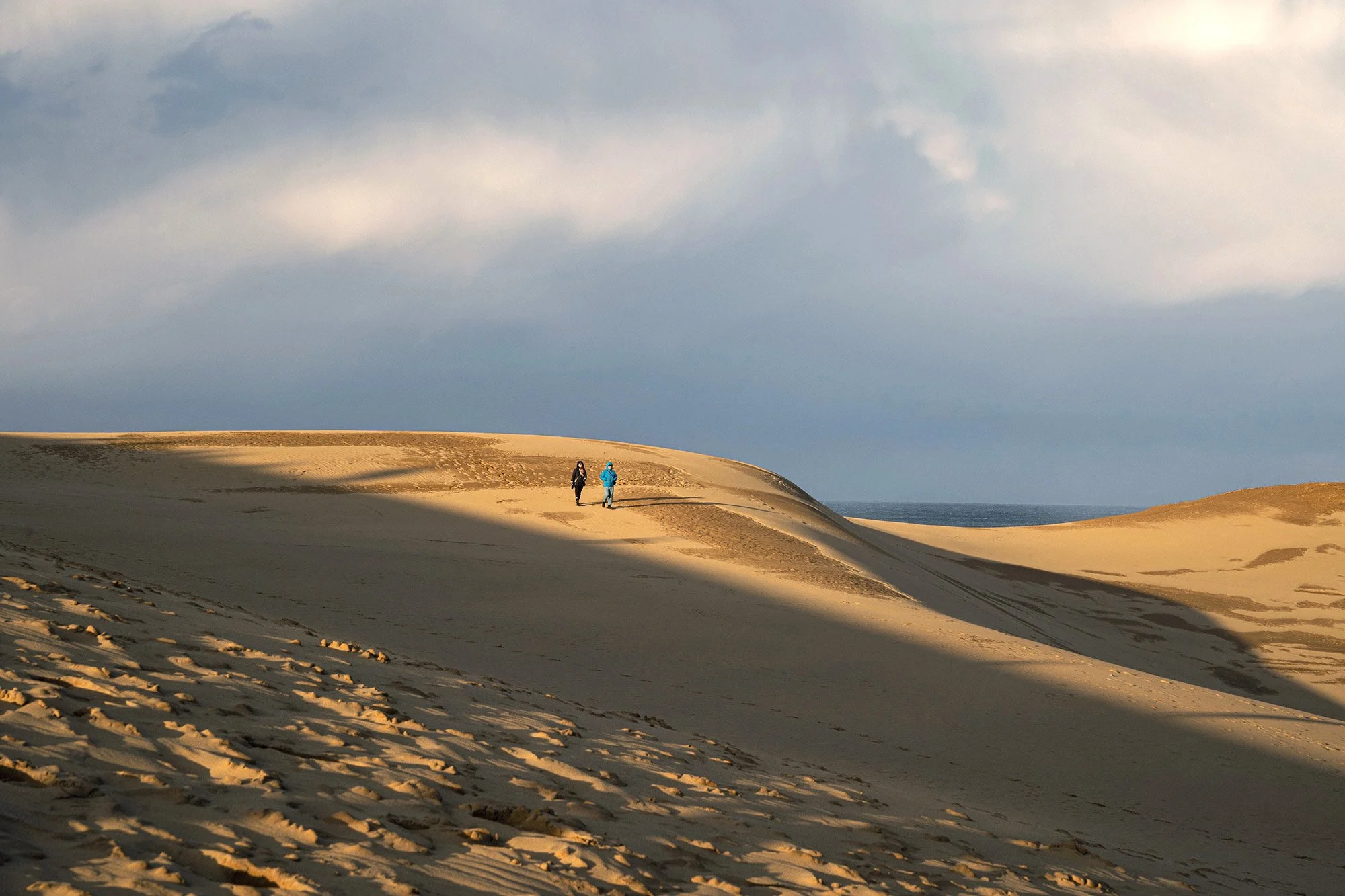
One of the most unique landscapes in all of Japan, the Tottori Sand Dunes is large and borders the Sea of Japan coastline. Here, you can meet and ride camels, as well as go sandboarding, and it feels almost as if you’ve been transported someplace else.
It is quite vast and the hills can be steep, so be prepared to walk. When you reach the top of the dunes, you’ll be greeted by a view of the coastline and the ocean.
Detective Conan Town: Hokuei
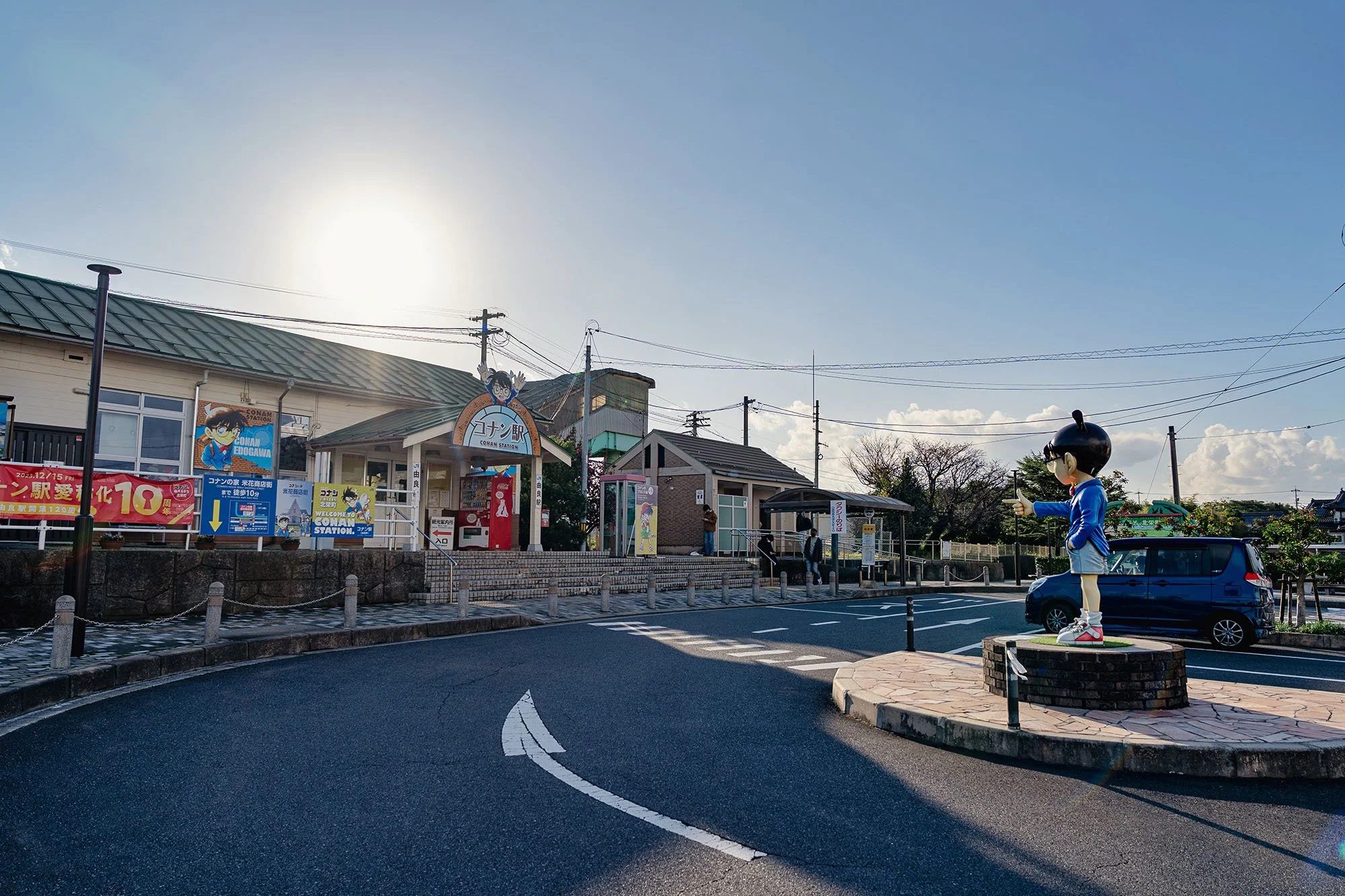
Being that Detective Conan is one Japan’s most well known manga titles, its creator’s birthplace, Hokuei, has been transformed into a “Conan Town”.
The local train station, Yura Station, is fully wrapped in the manga theme with a statue in front, and as you make your way to the main area, you’ll see statues of characters from the series lining the streets, as well as decorated manhole covers.
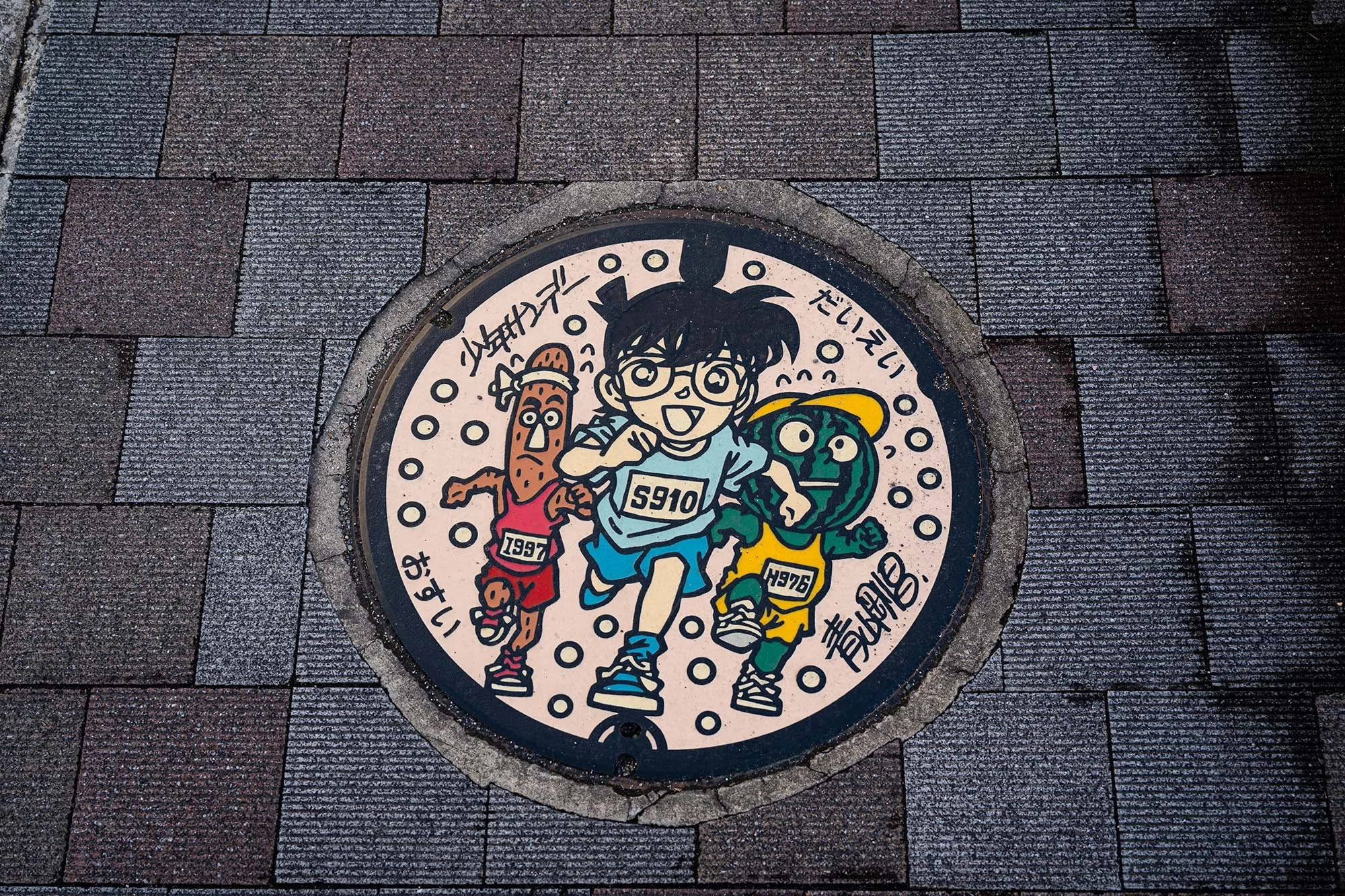
The main destination here is Conan’s House at Beika Shopping Street, which is located across the Great Conan Bridge, which spans the Yura River.
While I personally know very little about the manga, it is impressive to see how the town fully embraces and celebrates its homegrown creator and title.
Hiruzen Winery
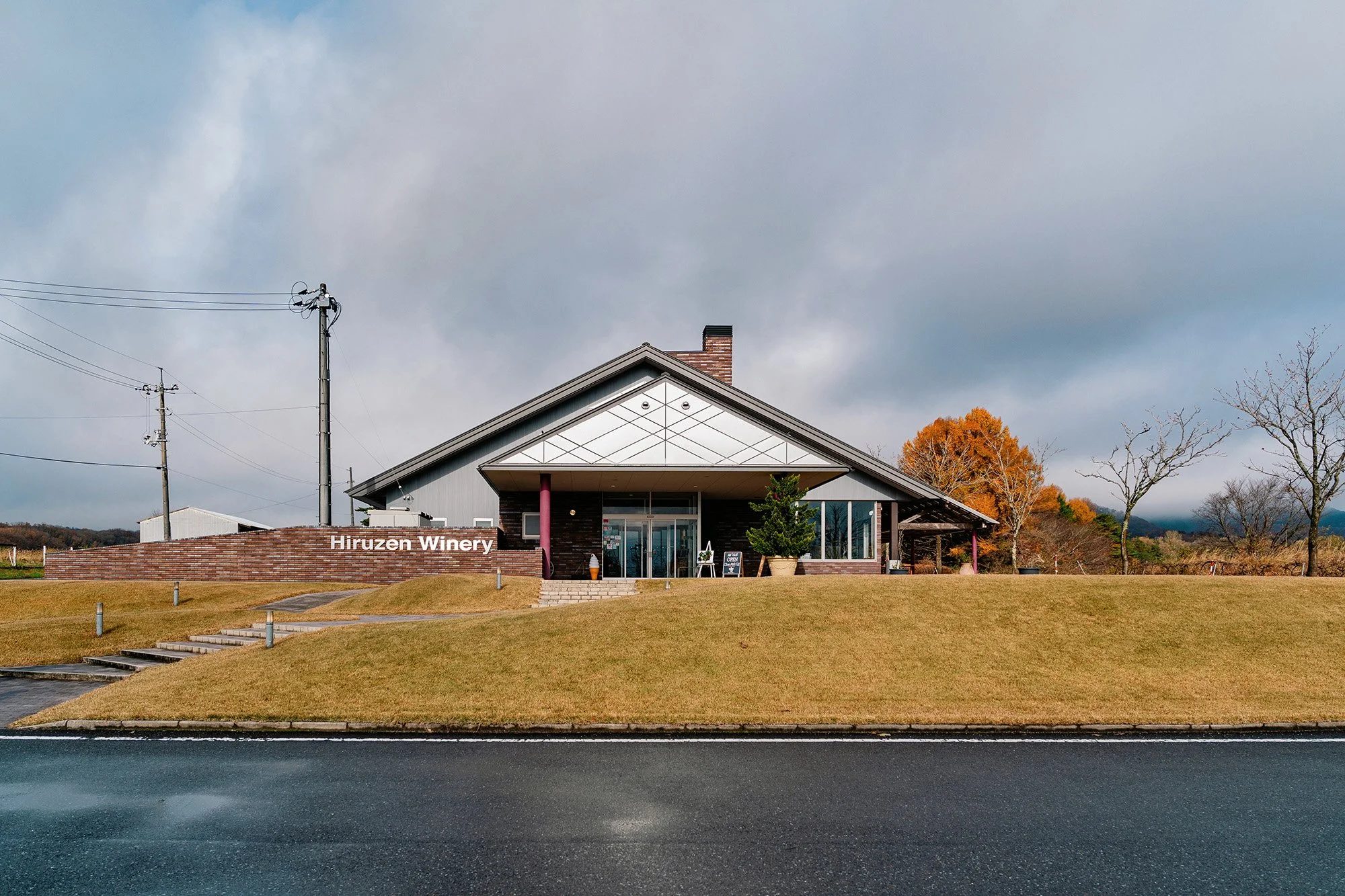
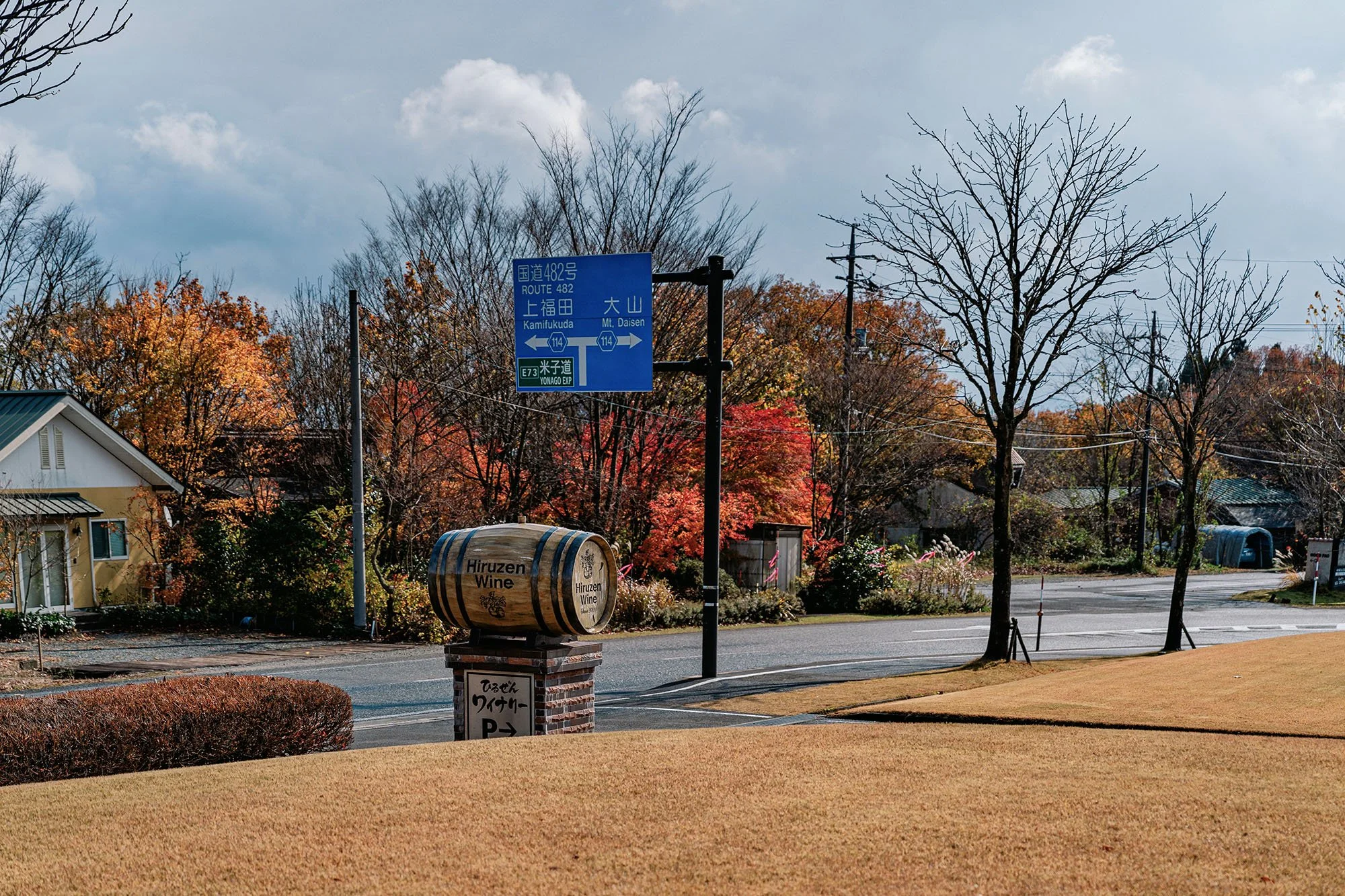
On the hills of Mt. Daisen is Hiruzen Winery, sometimes spelled Hillzen Winery on labels. Their focus is on wild vine wines made from the Hiruzen Yamabudo mountain grape, which is a grape that they say is found only in Japan.
The winery is centered around Coginetiae, which is the building that houses their shop and restaurant space. They sell a variety of products here, and there is a space where you can try their wine.
When we visited, a staff member let us try several different wines and was very friendly. Hiruzen Winery is a nice stop for anyone interested in local wine, but it’s also in an area that makes for a scenic drive.
Cowy Milk’s House (Shirobara)
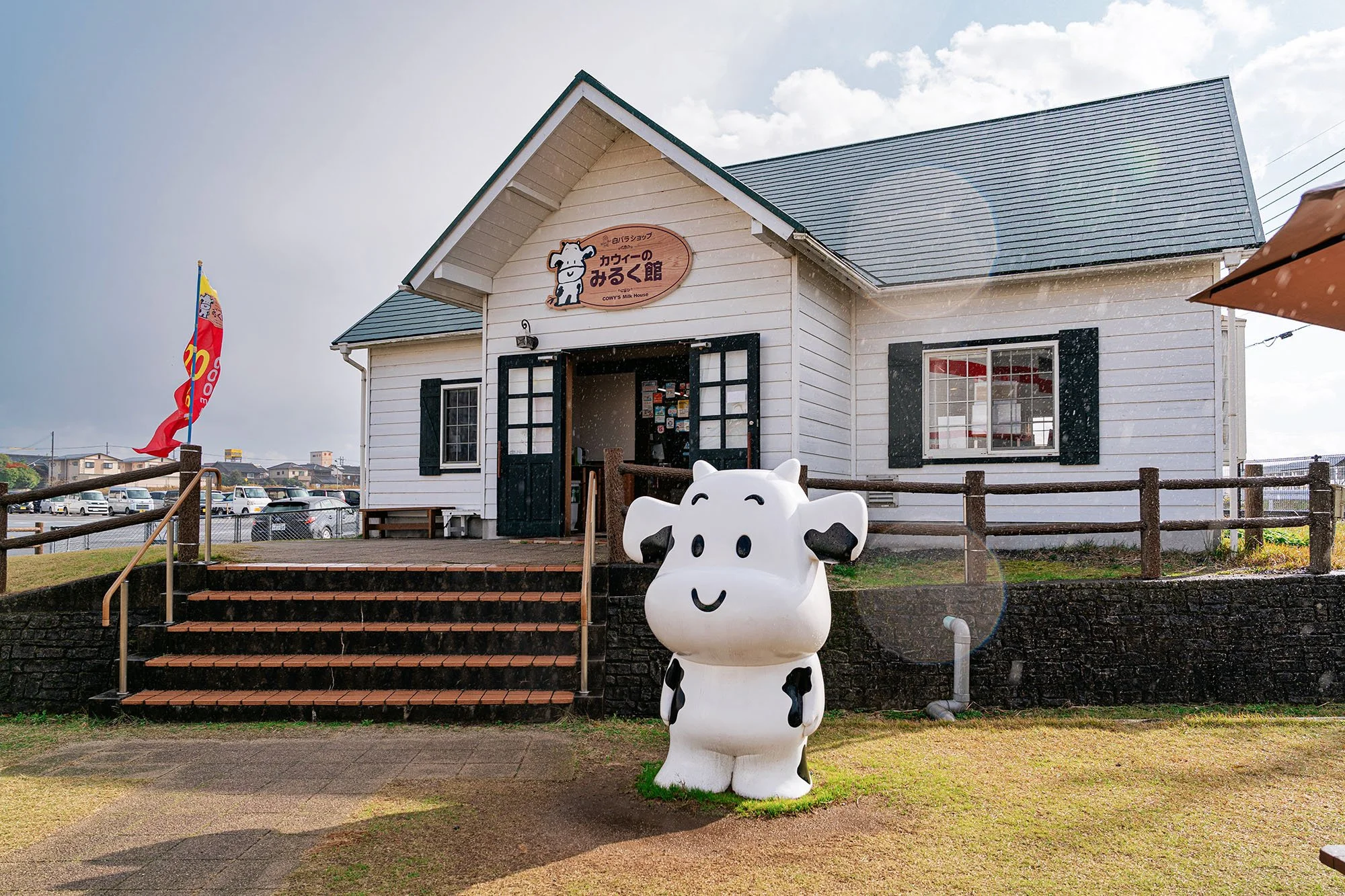
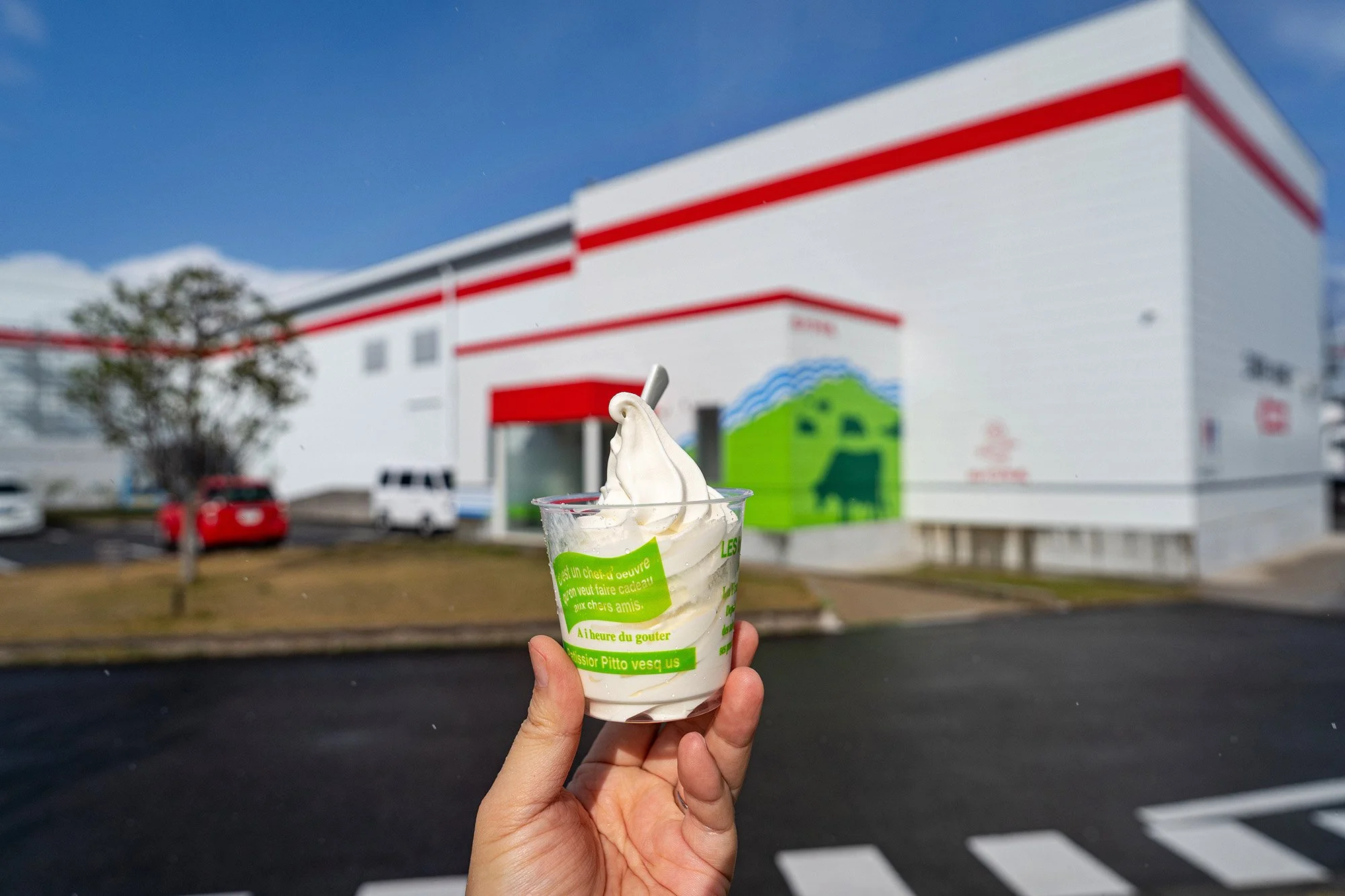
Hokkaido gets the most attention when it comes to milk and dairy in Japan, but Tottori has a gem of its own: Shirobara.
Served in every school in the prefecture, Tottori locals think of Shirobara as the “soul drink” of the prefecture, especially since everyone was raised on it. Operated by Daisen Dairy Agricultural Cooperative, the brand’s milk comes from cows raised around Mt. Daisen, which is known for having rich volcanic soil and clean mountain spring water.
What I like about Shirobara milk is its rich and creamy flavor and texture, and all of their products build upon this.
Their Shirobara Coffee is arguably their most popular product, and is a delicious milk coffee that uses 70% pure fresh milk and coffee extract. Their soft-serve ice cream is also amazing, and their branding is also on point.
If you’re not visiting Tottori but want to try Shirobara, they’ll also sold in specialty markets such as Seijo Ishii in Tokyo.
https://shirobarastore.jp/ [J]
What to eat
Hokkaido
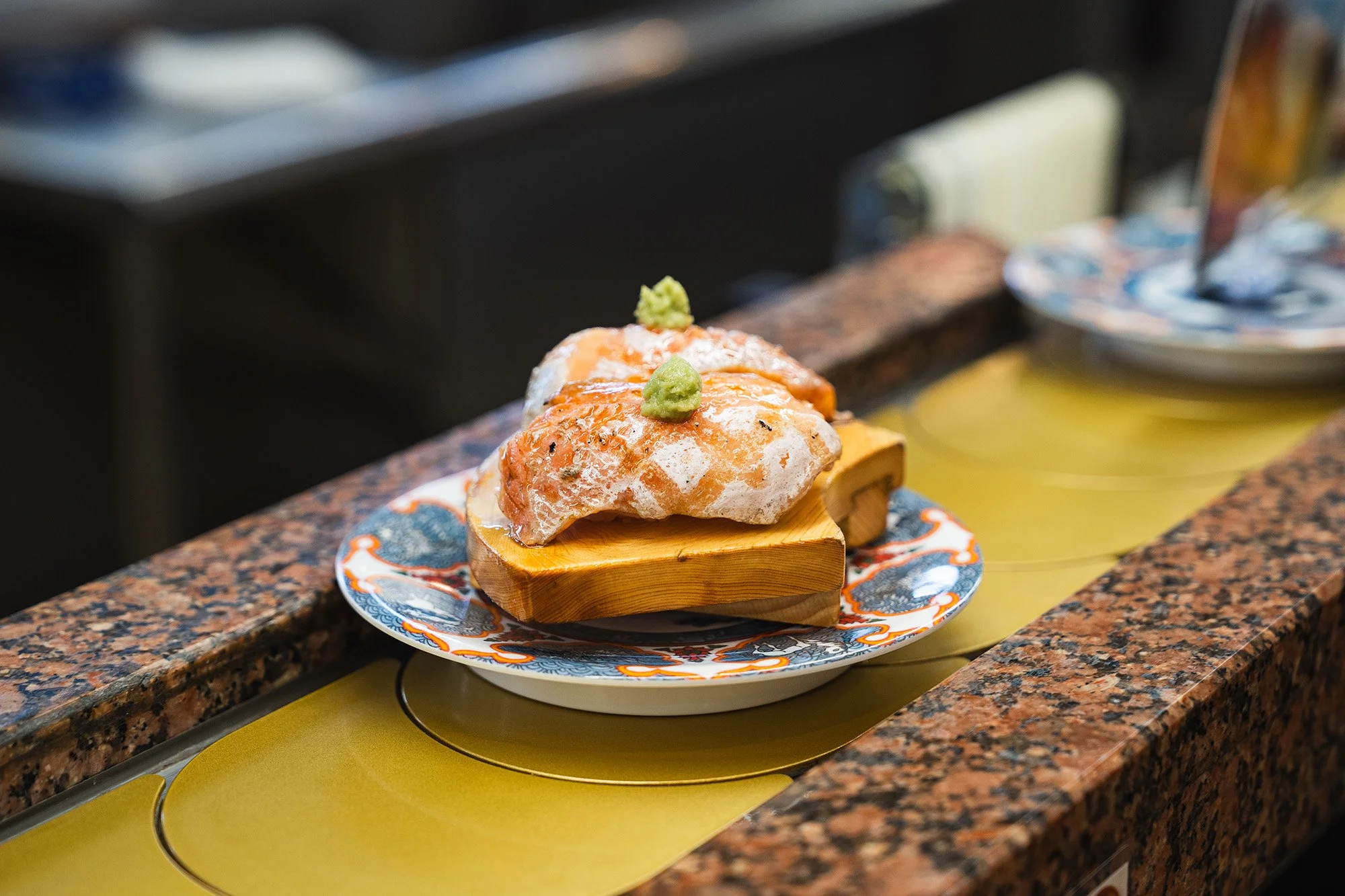
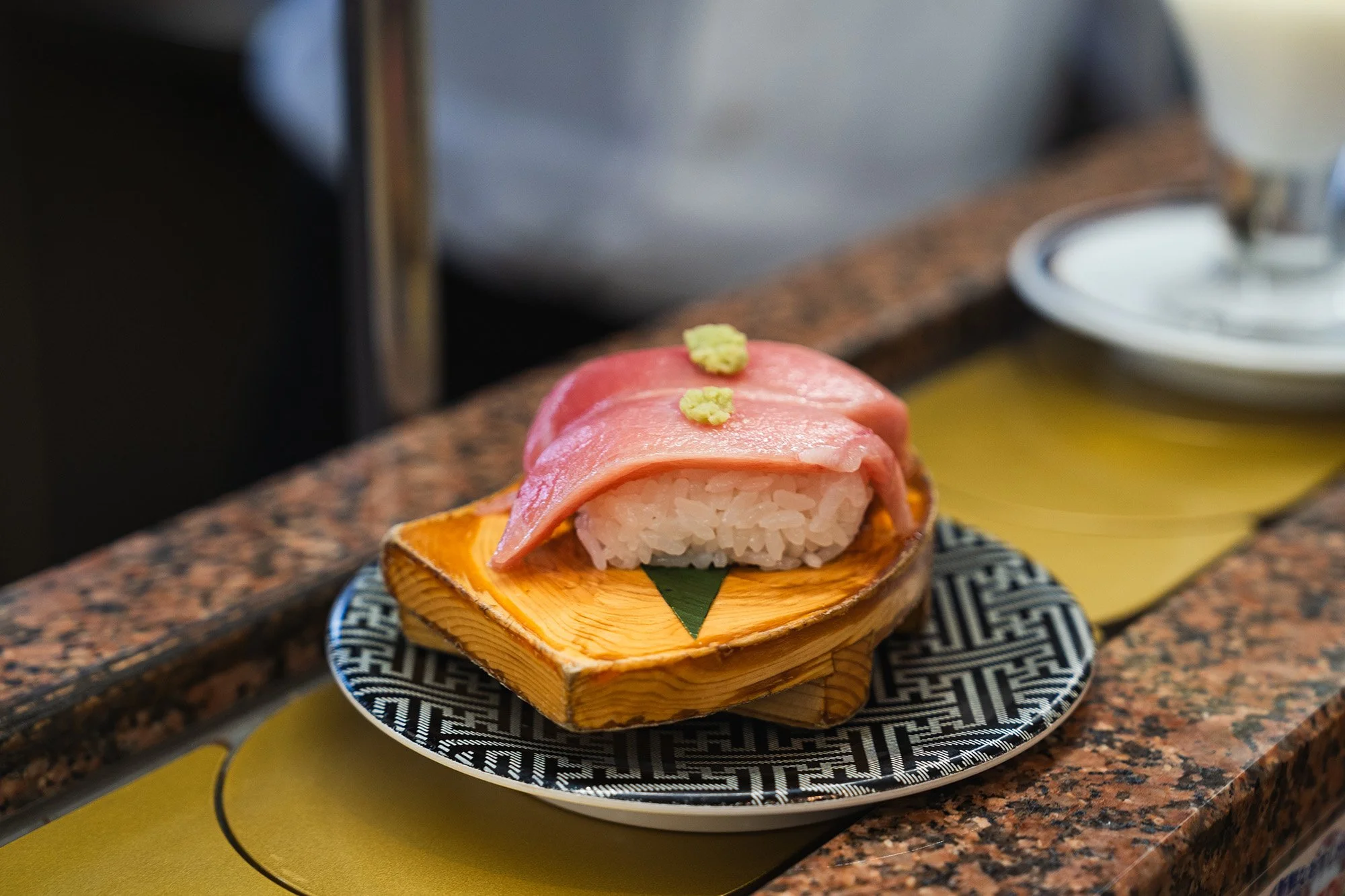
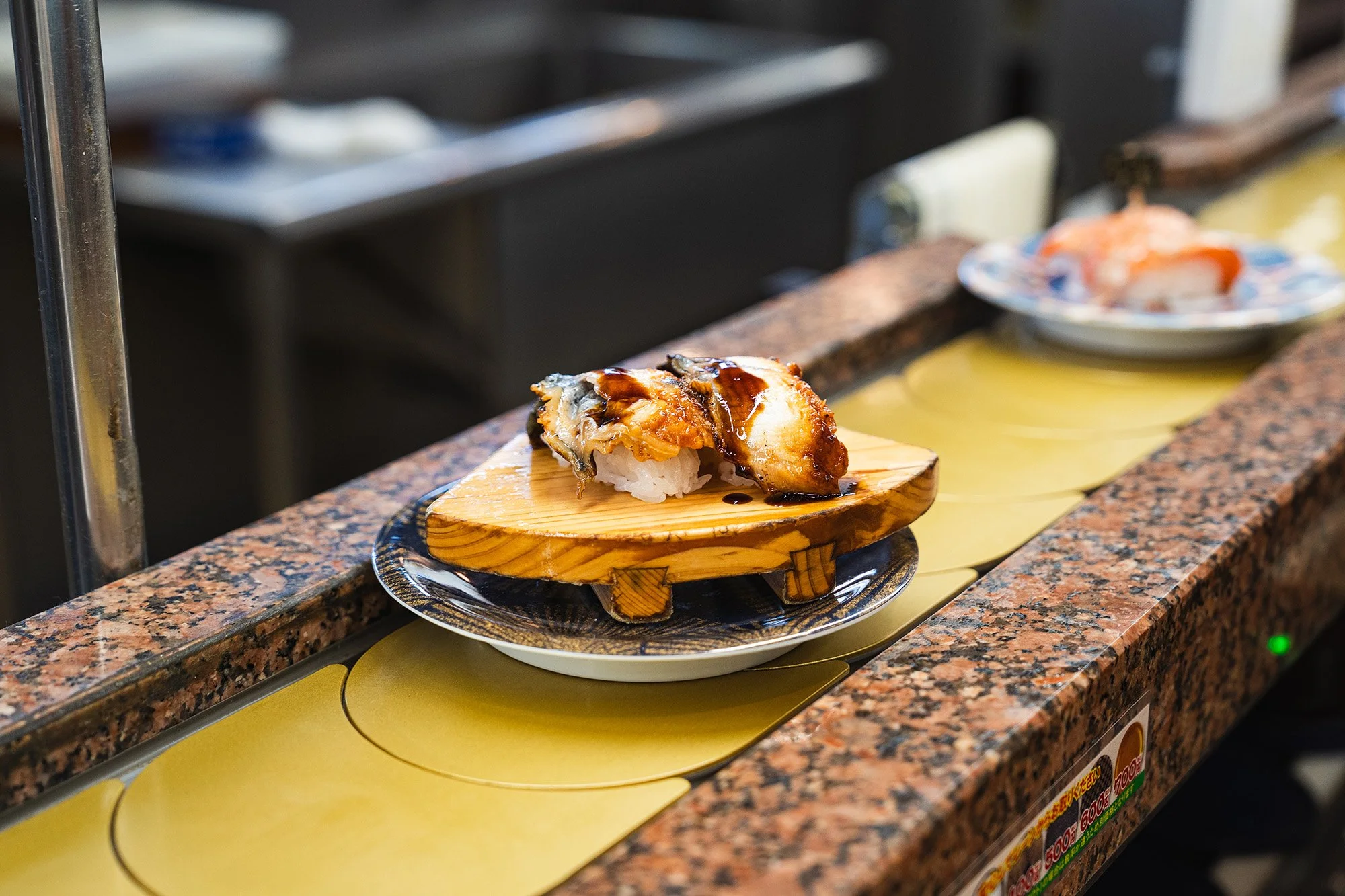
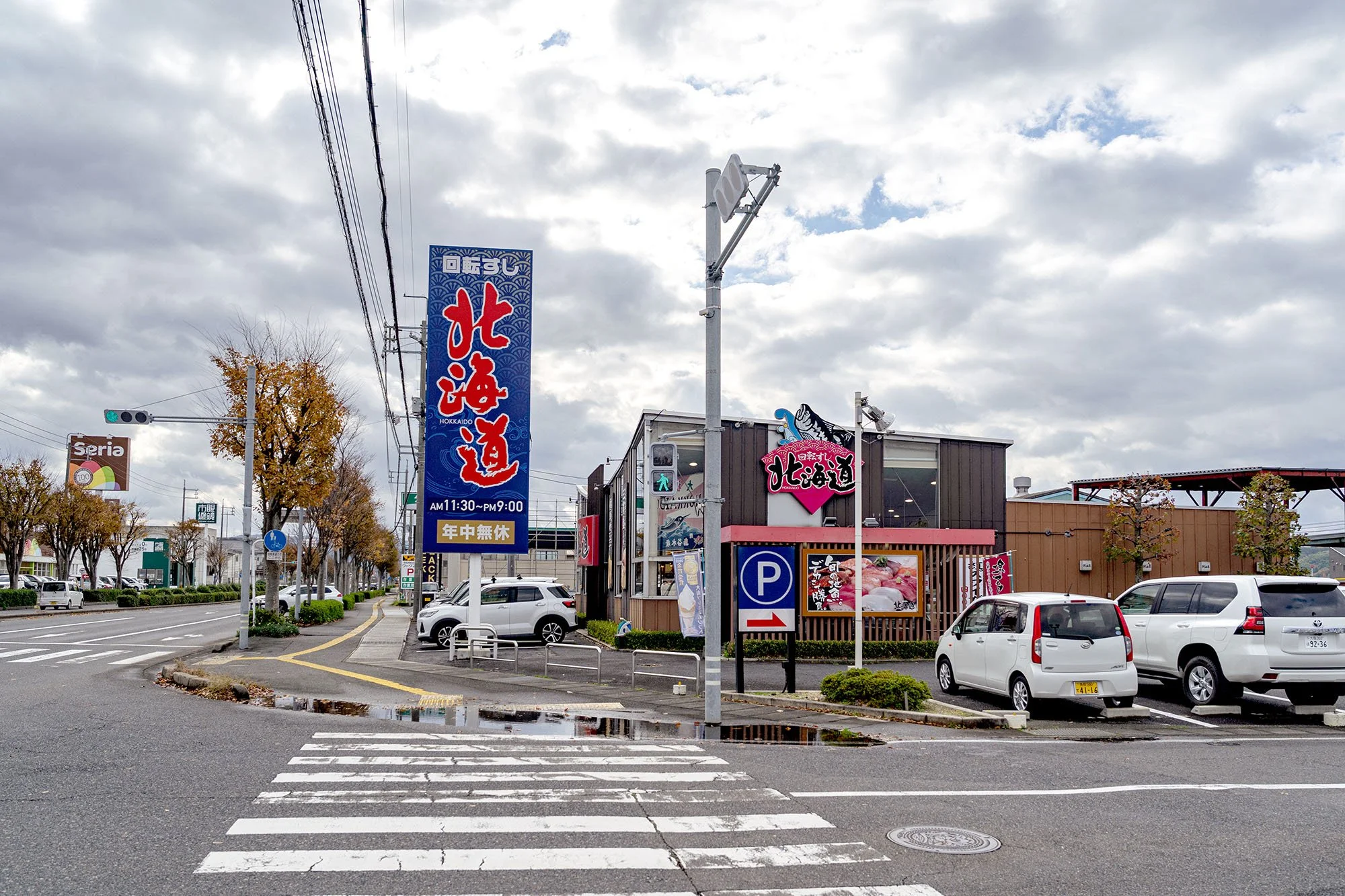
Hokkaido is a very popular, local kaitenzushi (sushi-go-round) chain. It’s oddly named Hokkaido because that’s where the owner learned how to operate that type of business or something.
This is definitely the king of kaitenzushi in Tottori, and is one of my favorite kaitenzushi shops I've ever eaten at, period.
They give generous cuts of fish on the shari (rice). Their aburi toro salmon (flame-seared fatty salmon) has a perfect slightly charred flavor and fattiness is absolute perfection.
Definitely stop by if you're in the area, but it's best to get here early because on the weekend, it got packed immediately upon opening.
Pinion
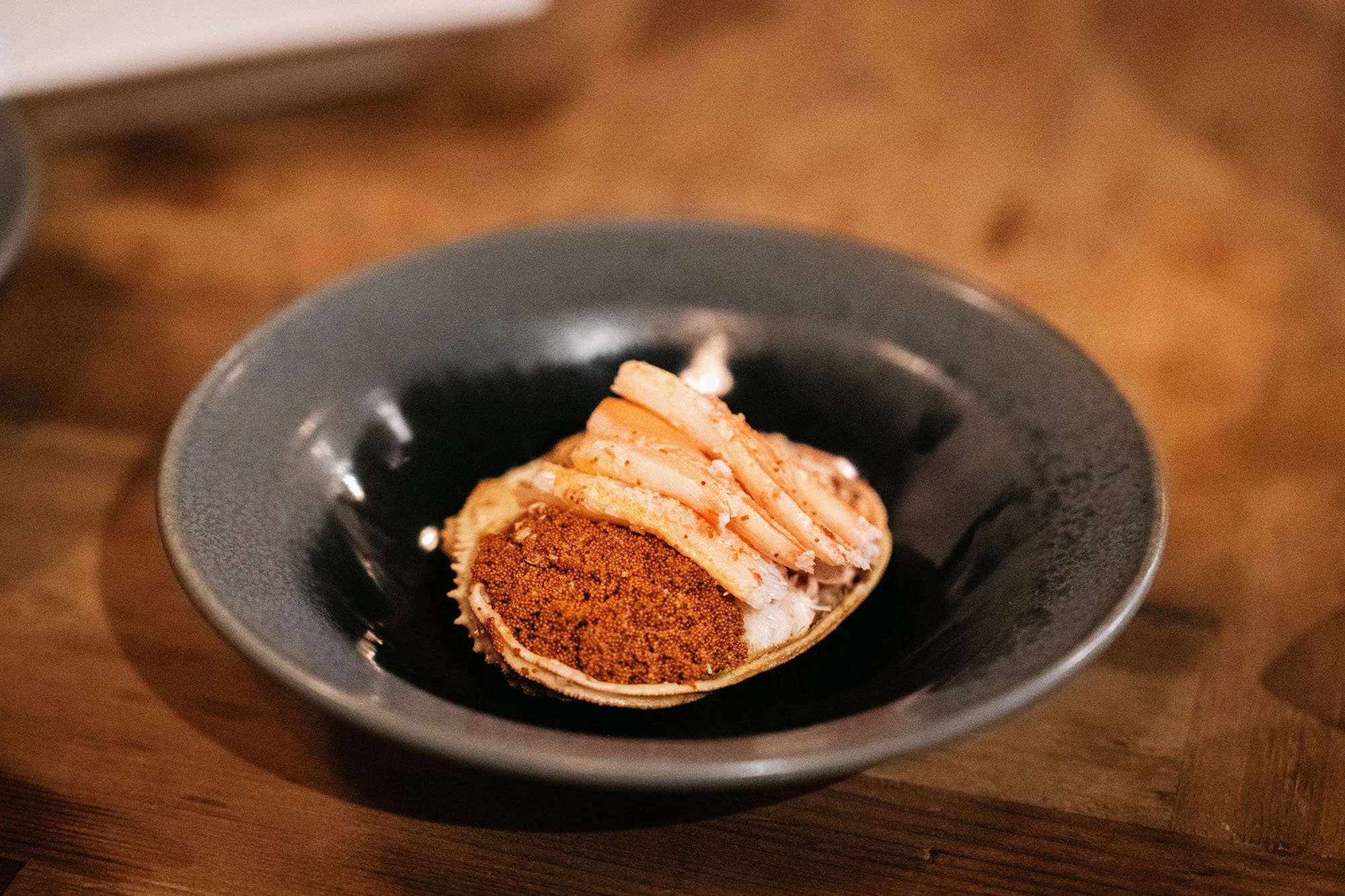
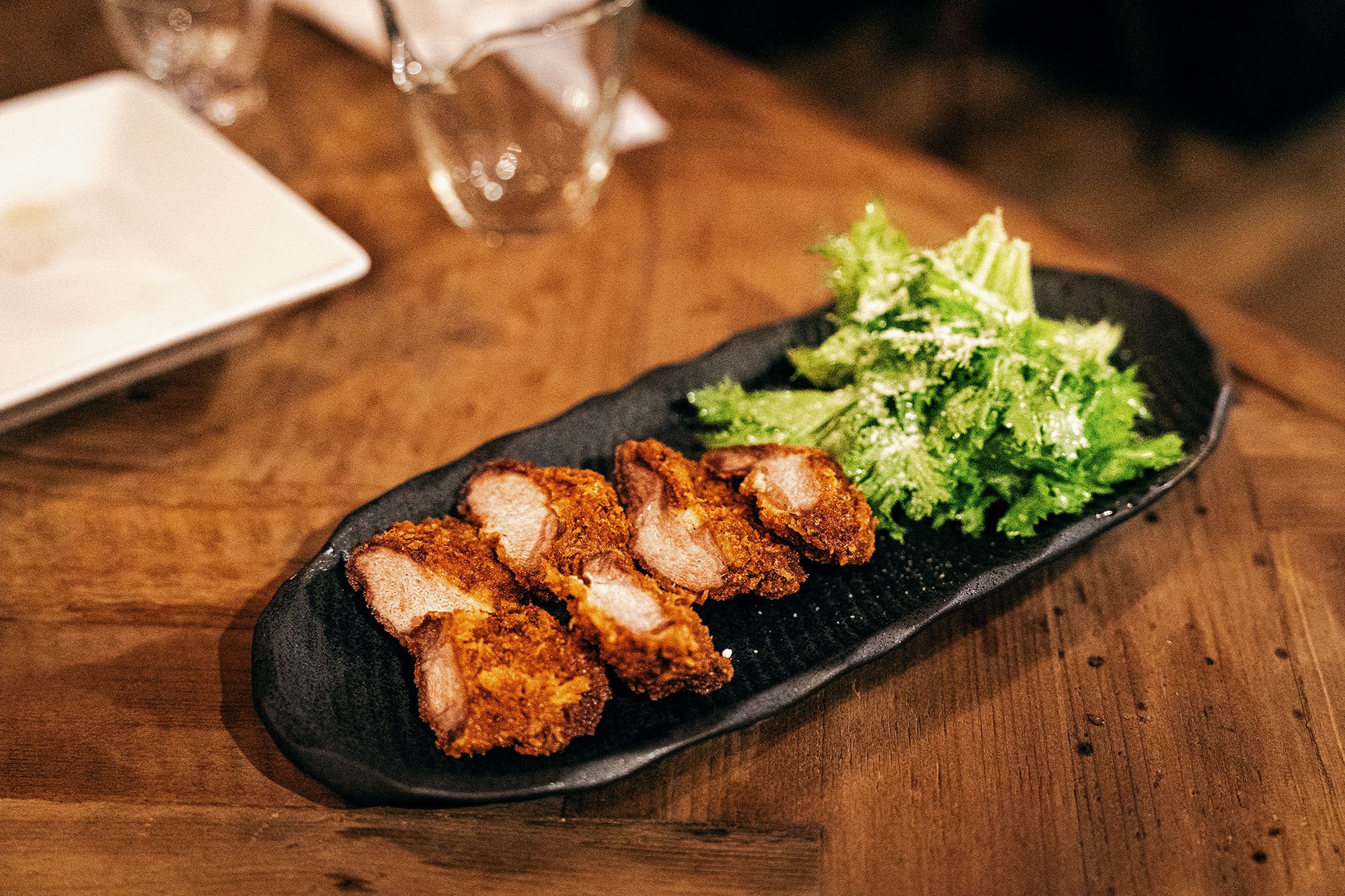
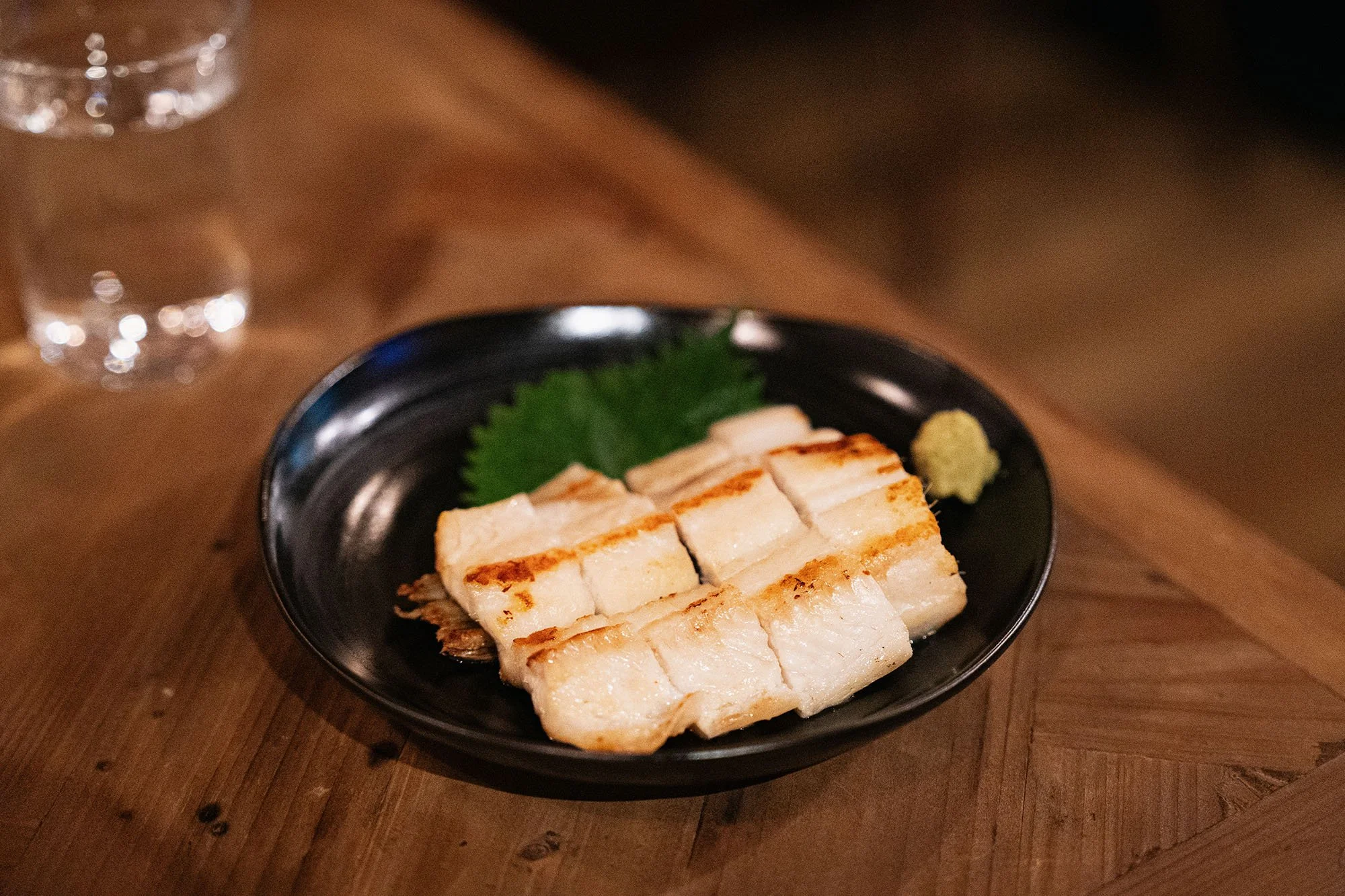
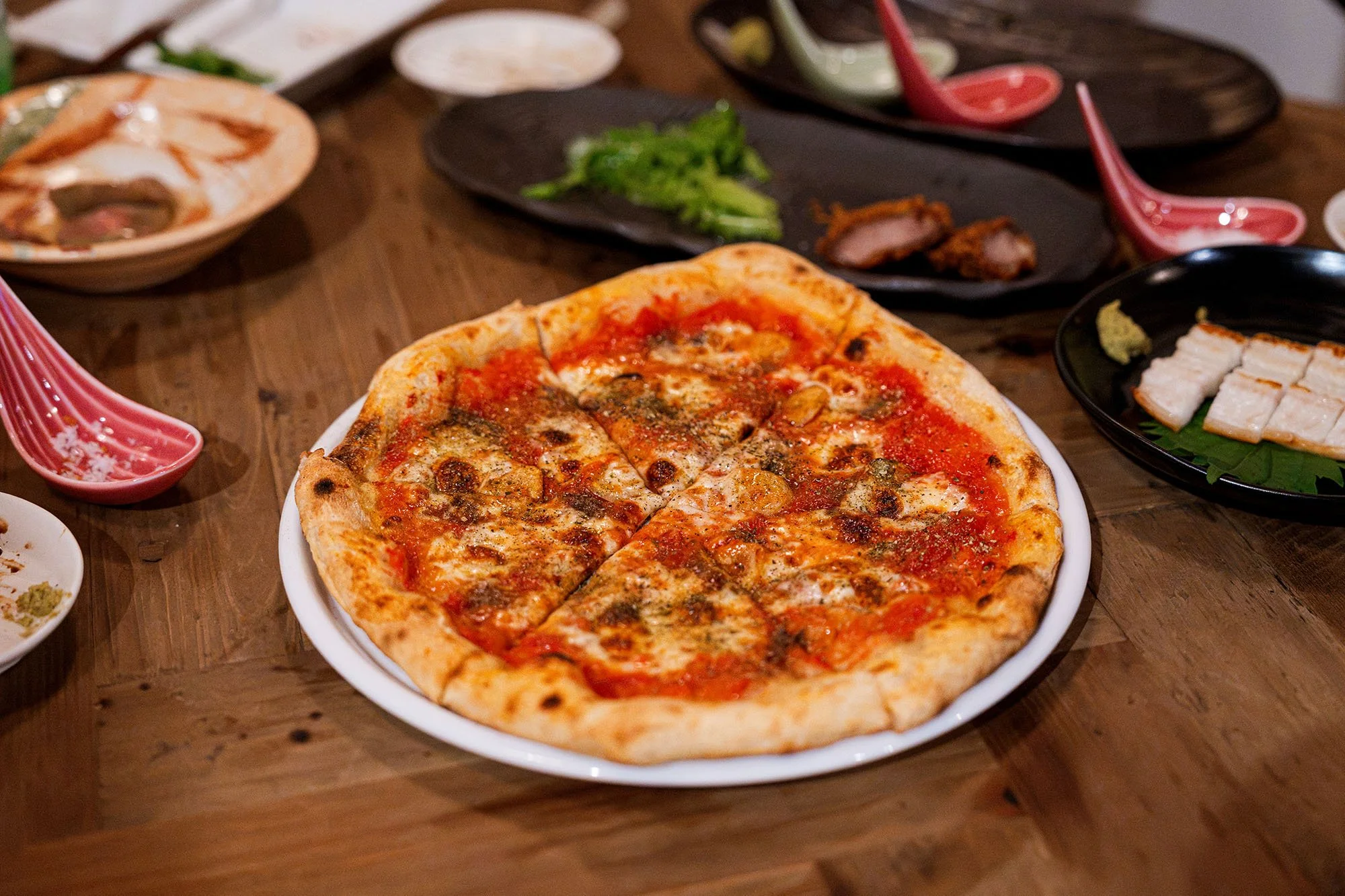
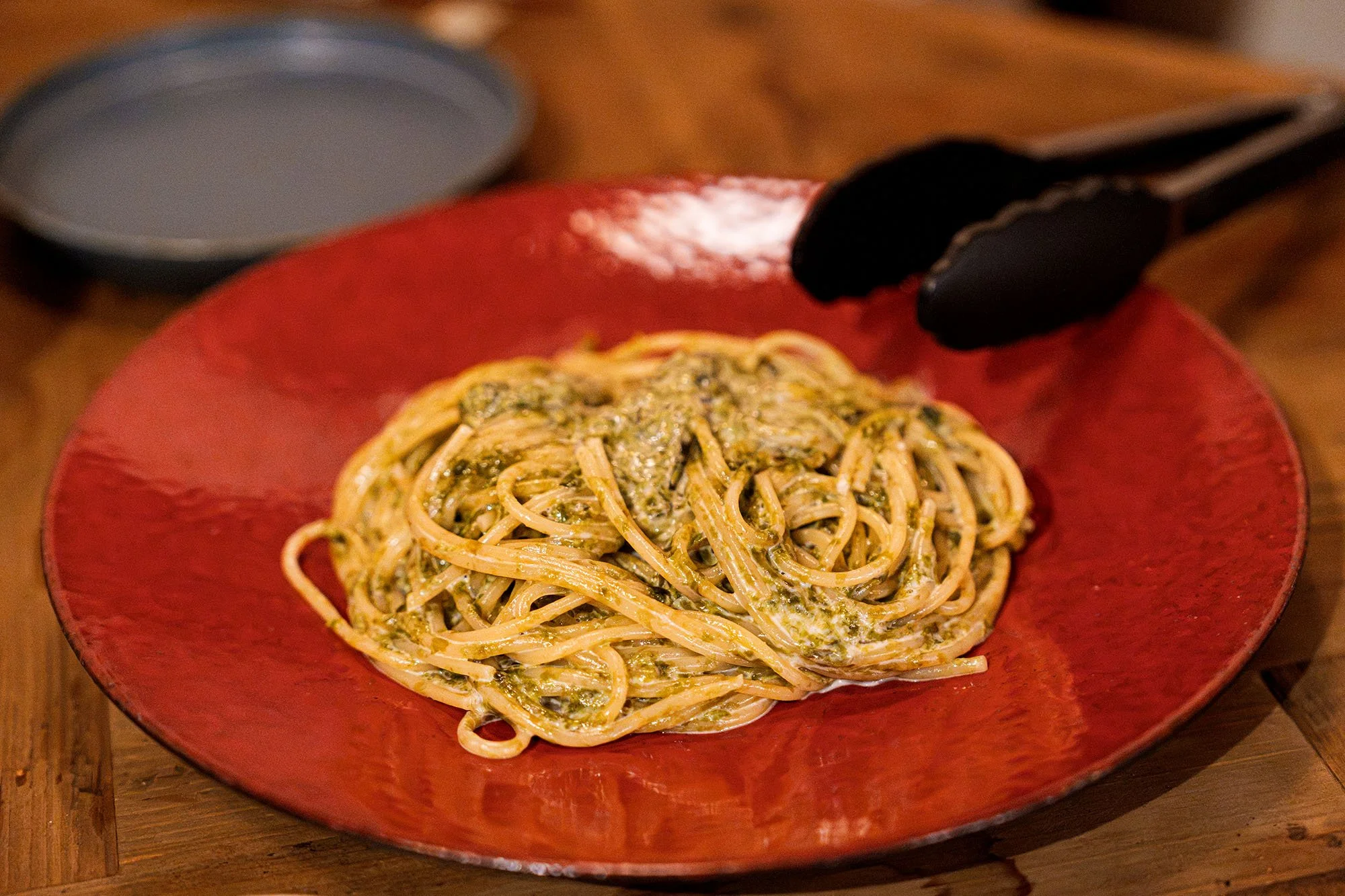
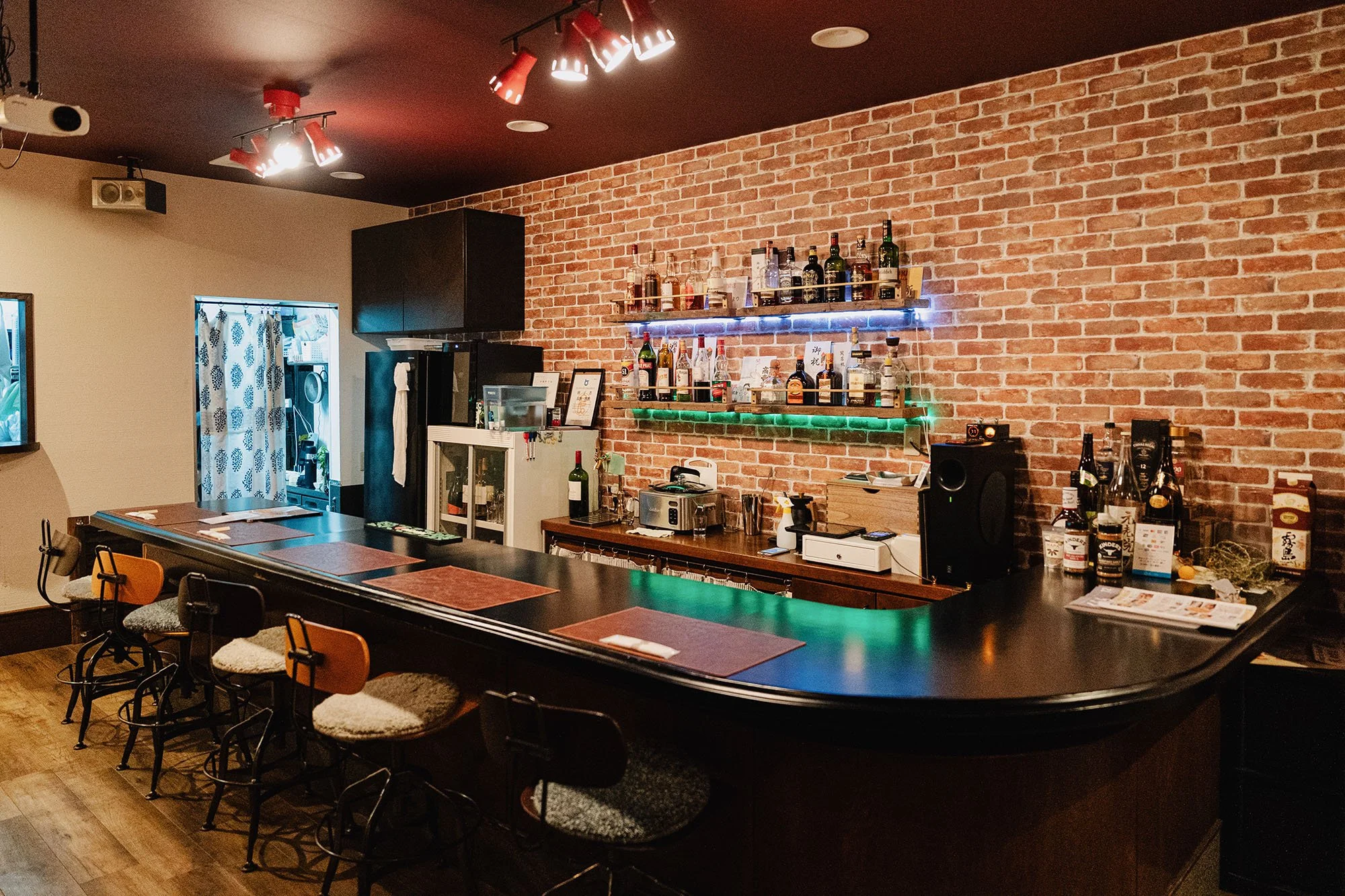
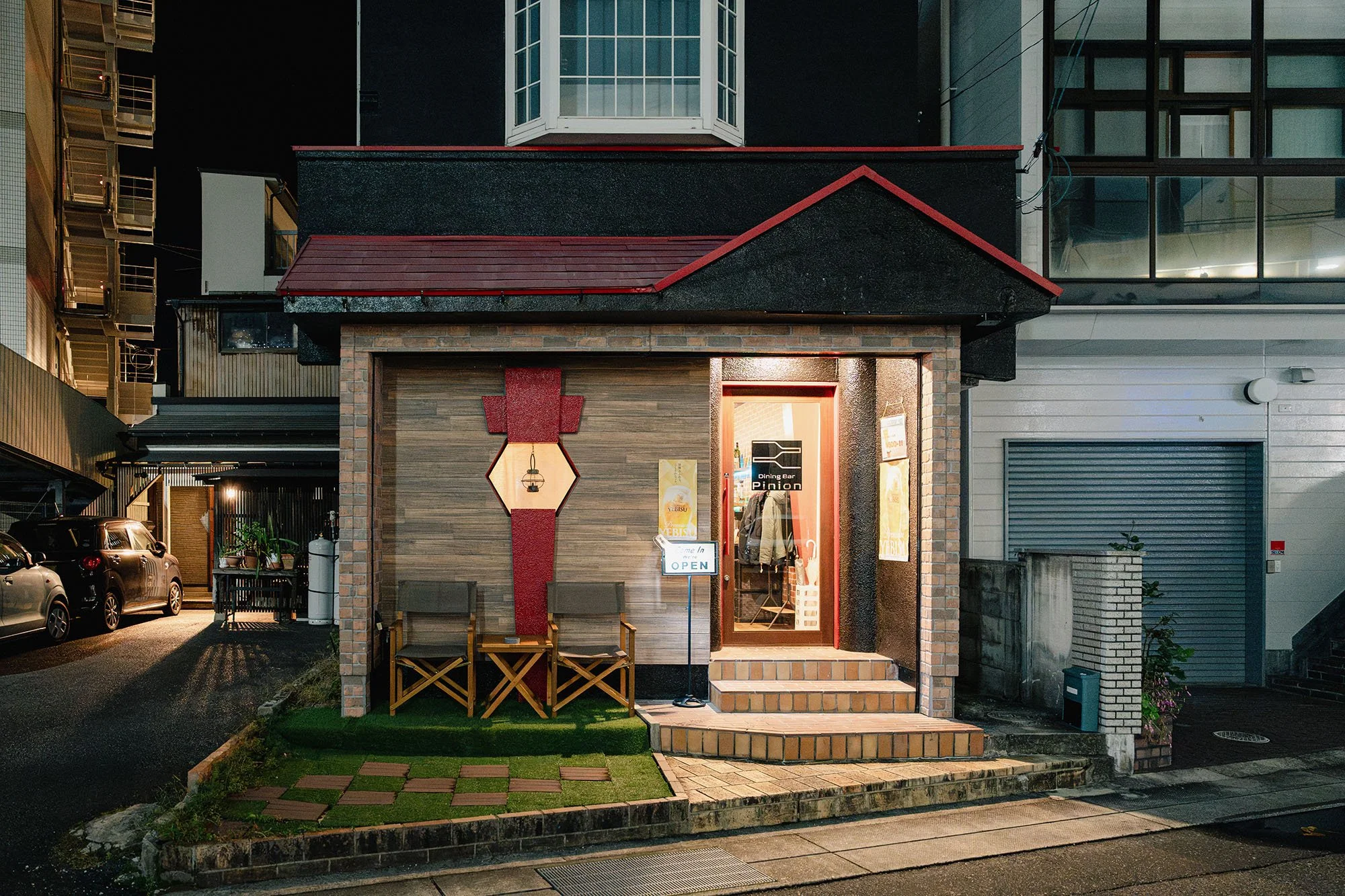
Just steps away from the main Kurayoshi Station, Pinion is a super convenient spot and delicious food.
I enjoyed a variety of different dishes, some on their regular menu and some special items, and everything was cooked to perfection.
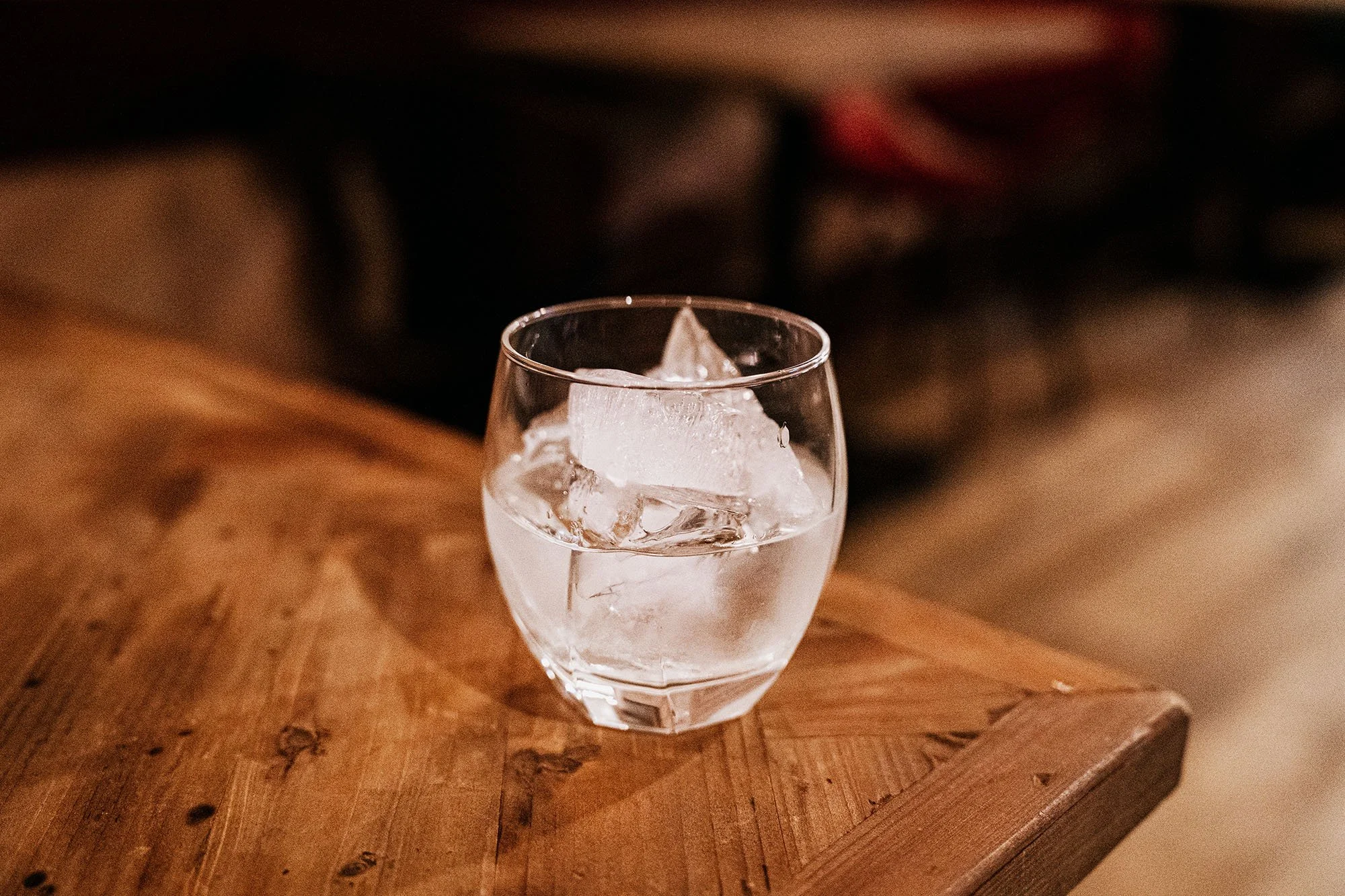
They have a good range of different alcohol options as well. I had a local shochu made of nagaimo, a type of yam, which turned out to be really silky and smooth.
The owner is really friendly and speaks English because he spent some time on the U.S. east coast. This is a cozy spot and a great choice for locals and tourists alike. Definitely consider checking out Pinion if you're in the area.
Kamitoku
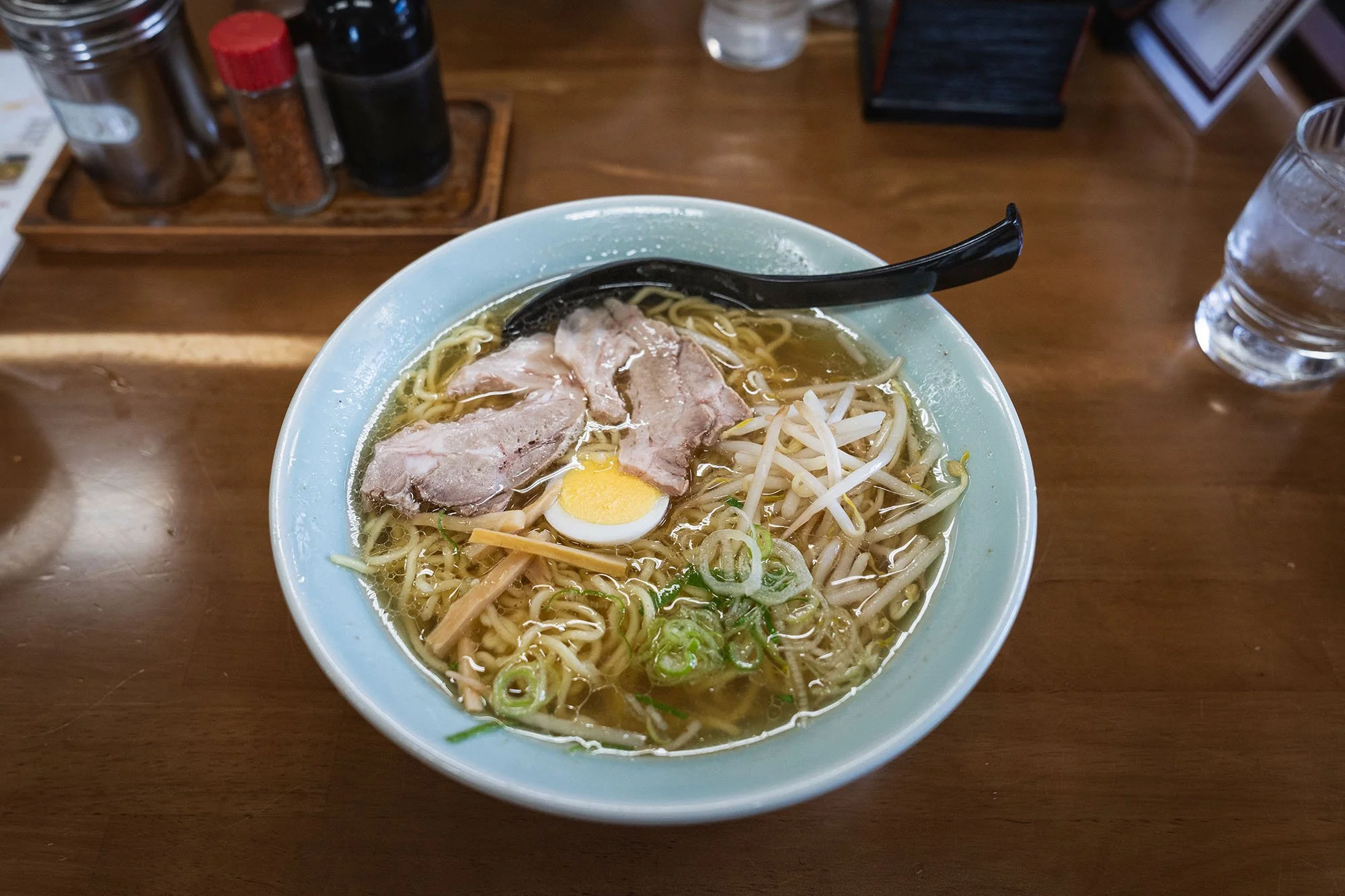
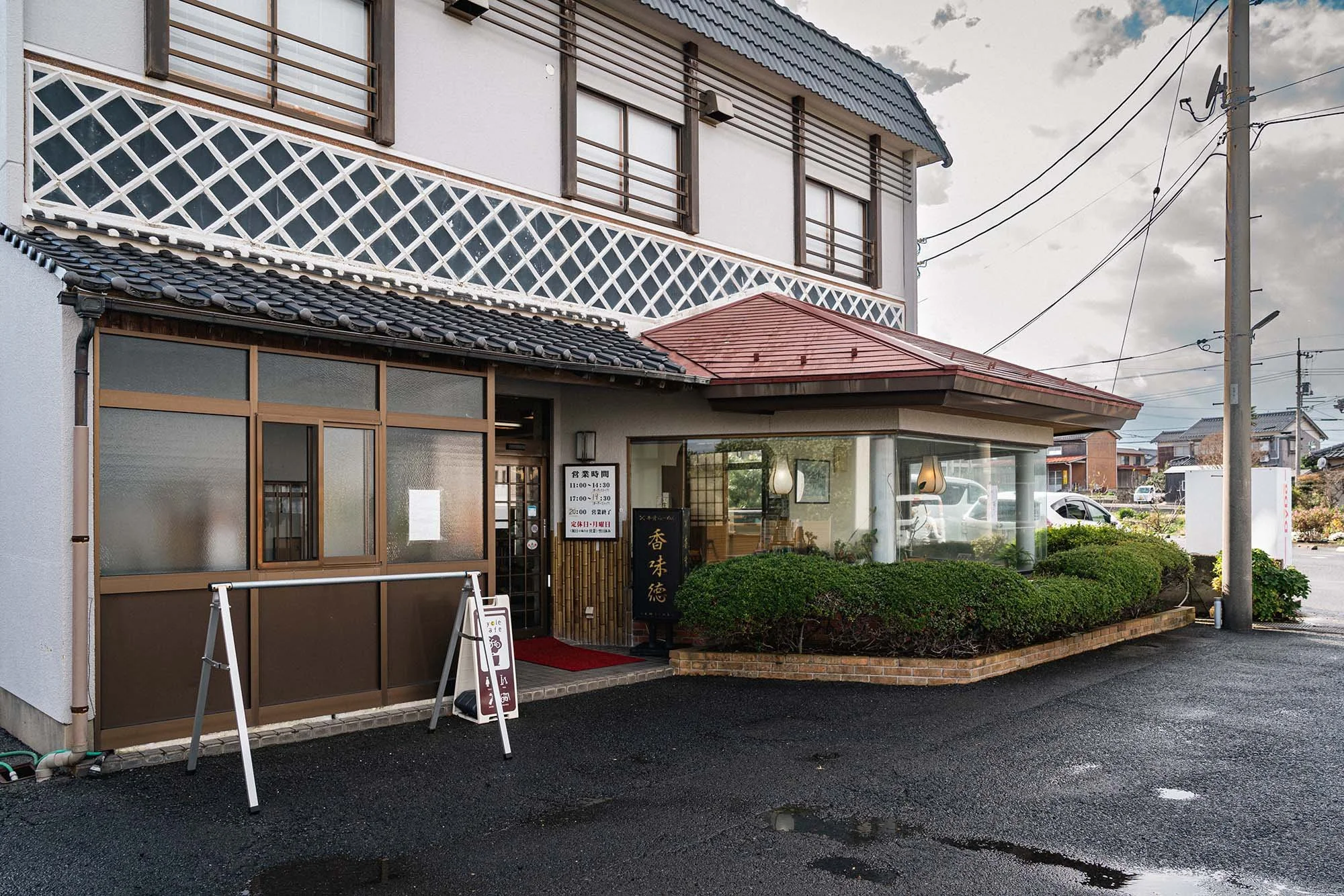
A local ramen shop/restaurant that's been run by 3 generations of the Kamitoku family. Their gyukotsu, or beef broth, ramen has become known as Tottori prefecture's iconic ramen, ever since a cattle and horse market opened up nearby during the Edo period.
This led to the beef broth-based ramen, which is very light. There's nothing in particular that stands out, but it's a simple bowl of good, local ramen.
Kamitoku also serves a variety of other dishes such as omurice, curry and rice and a few different teishoku.
Homebase Roasters
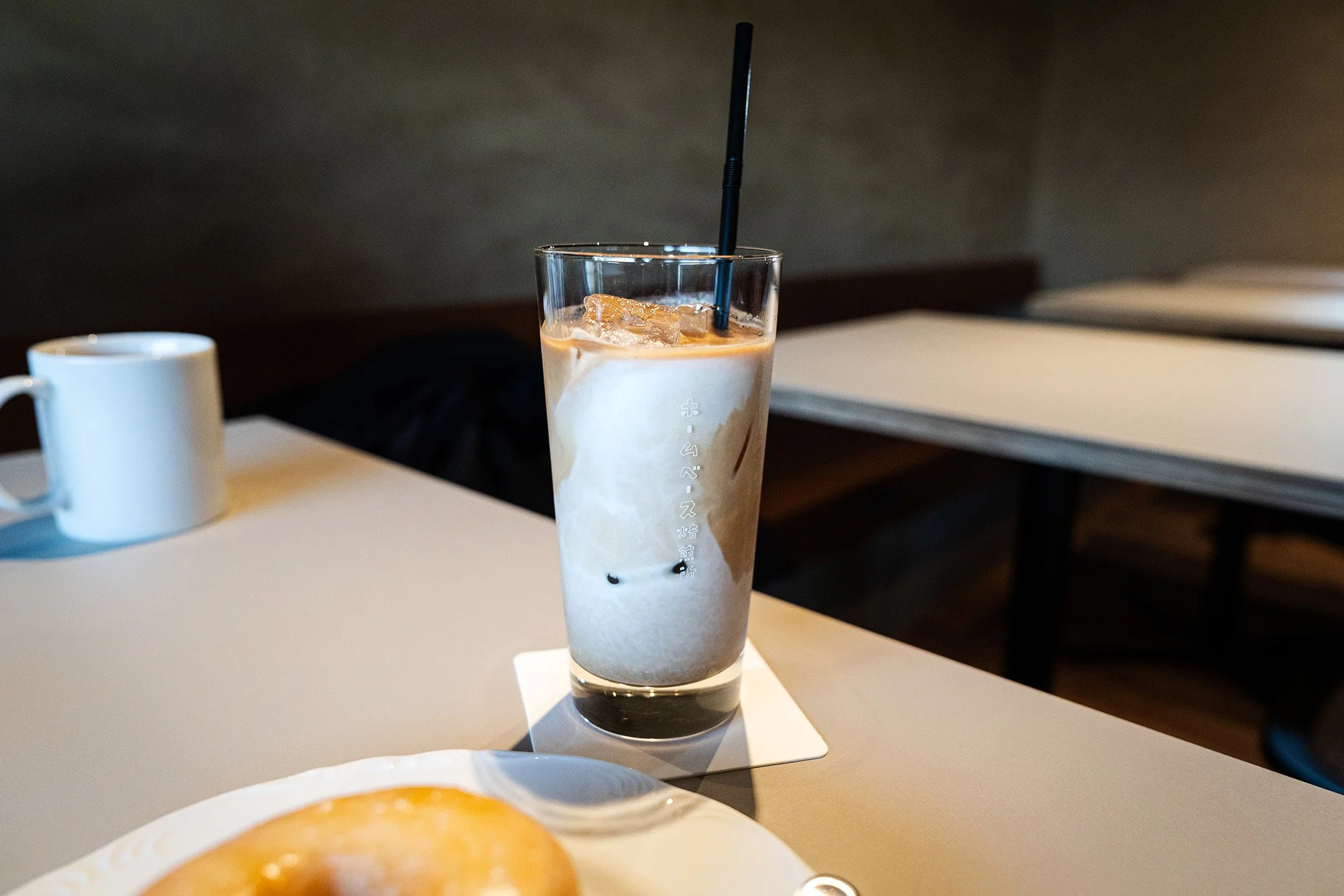
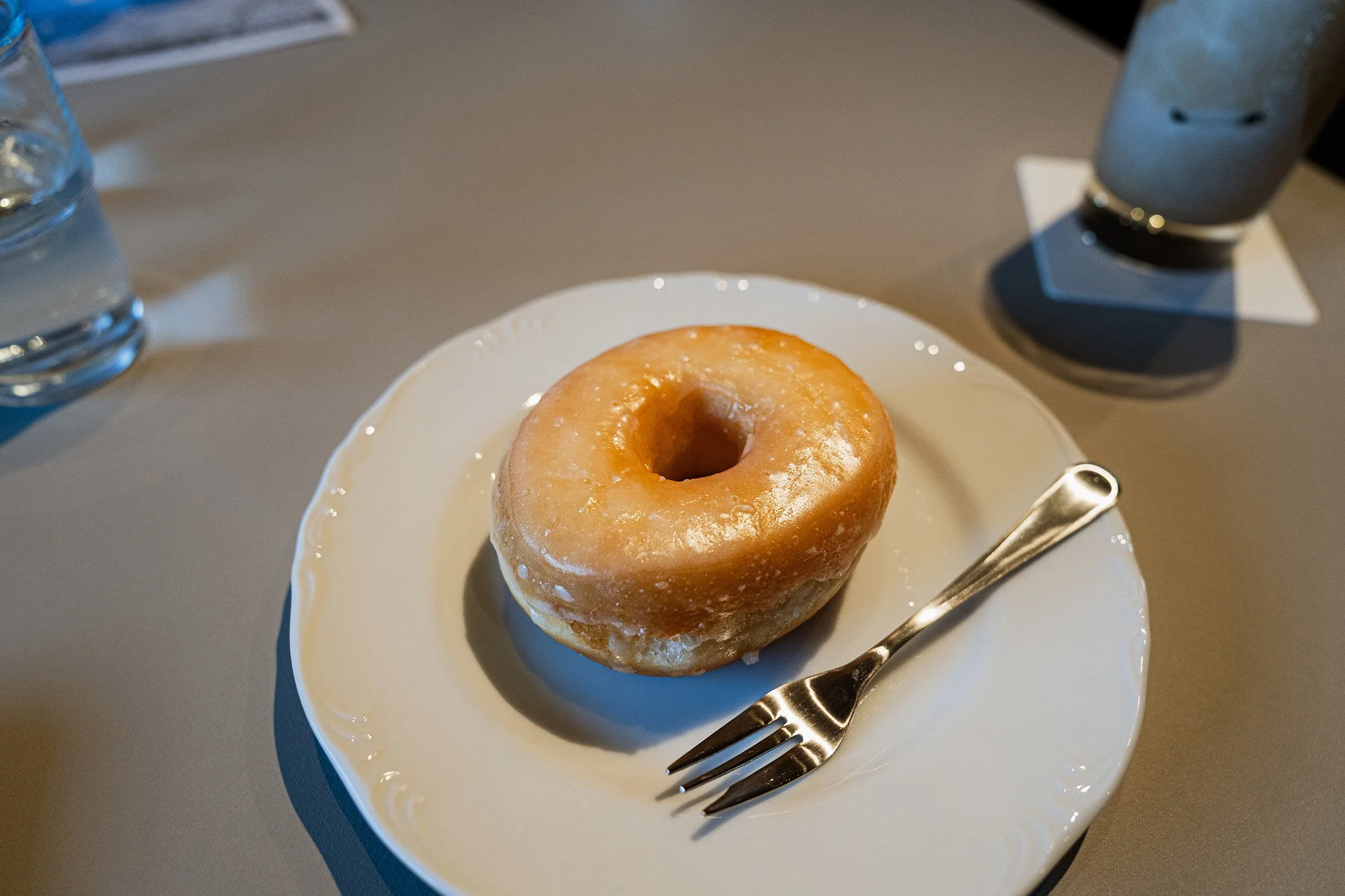
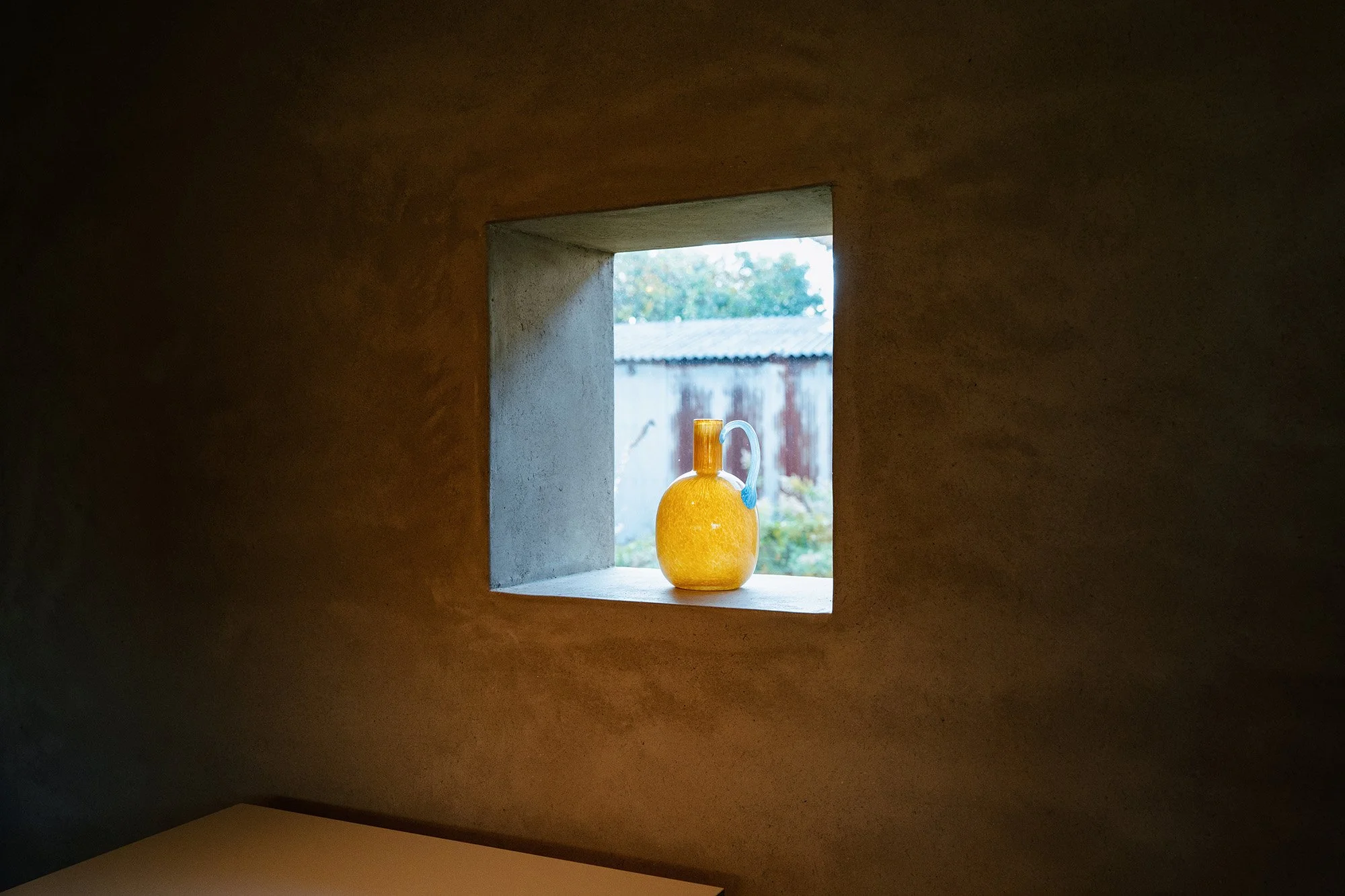
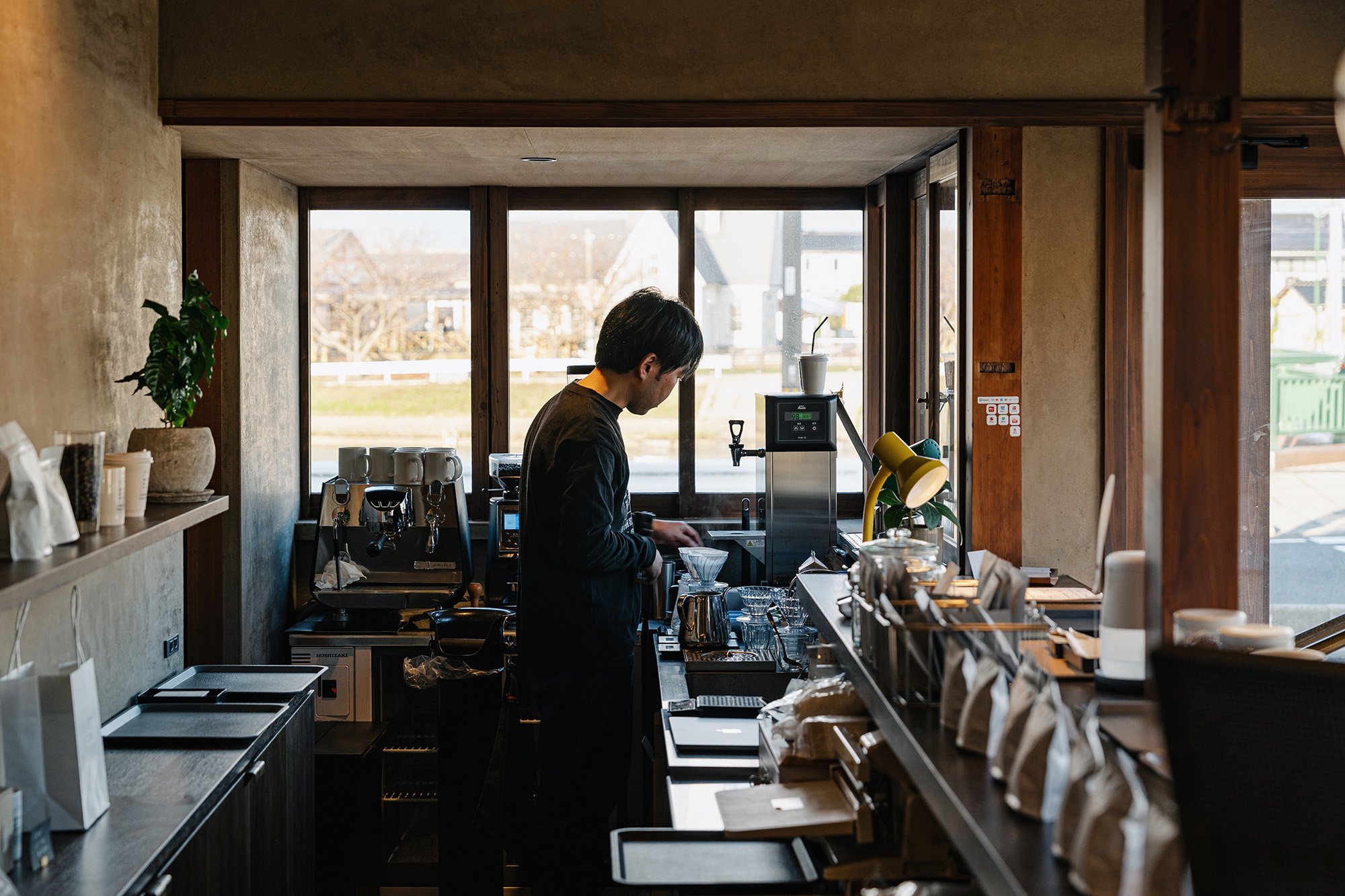
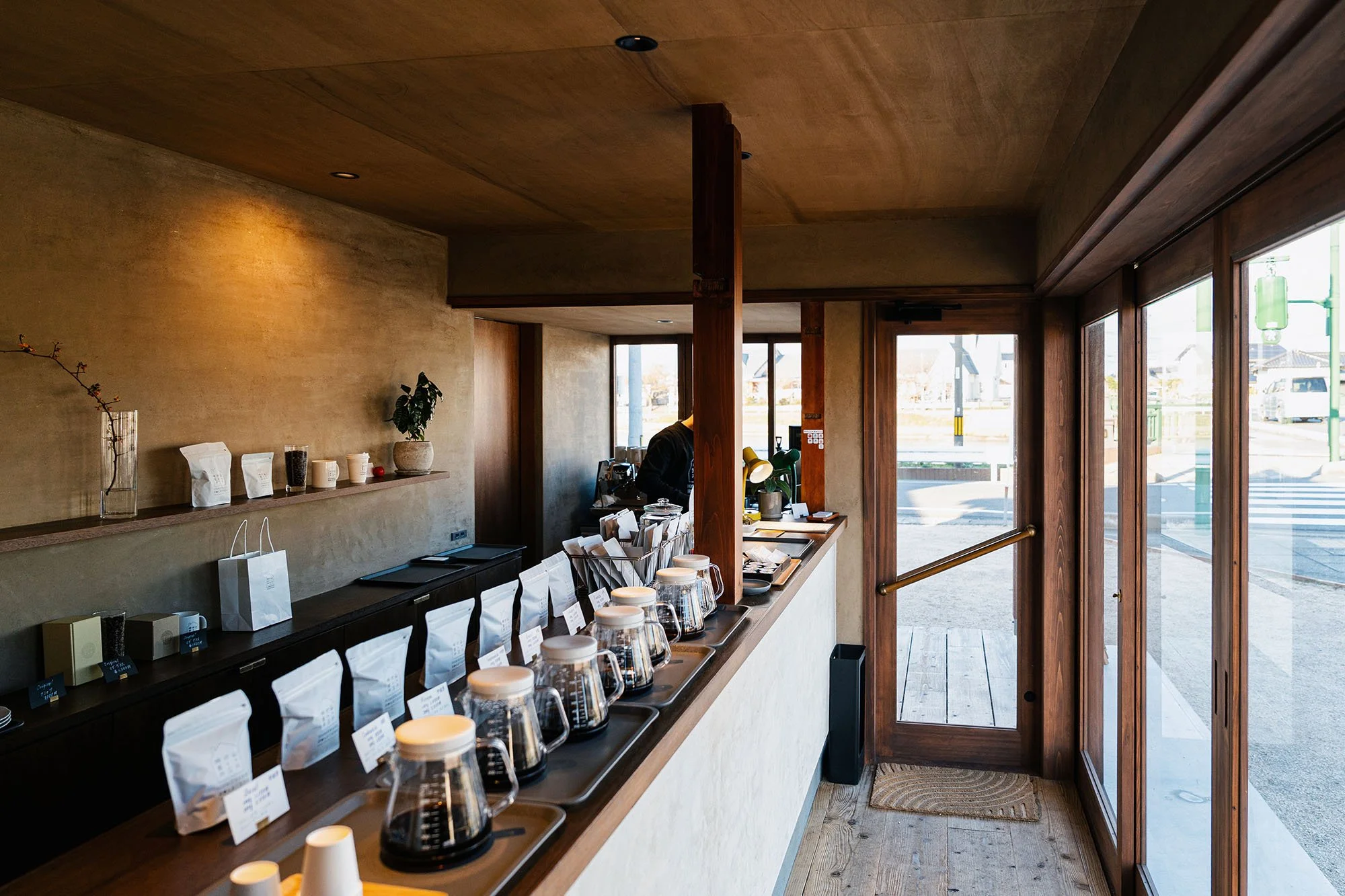
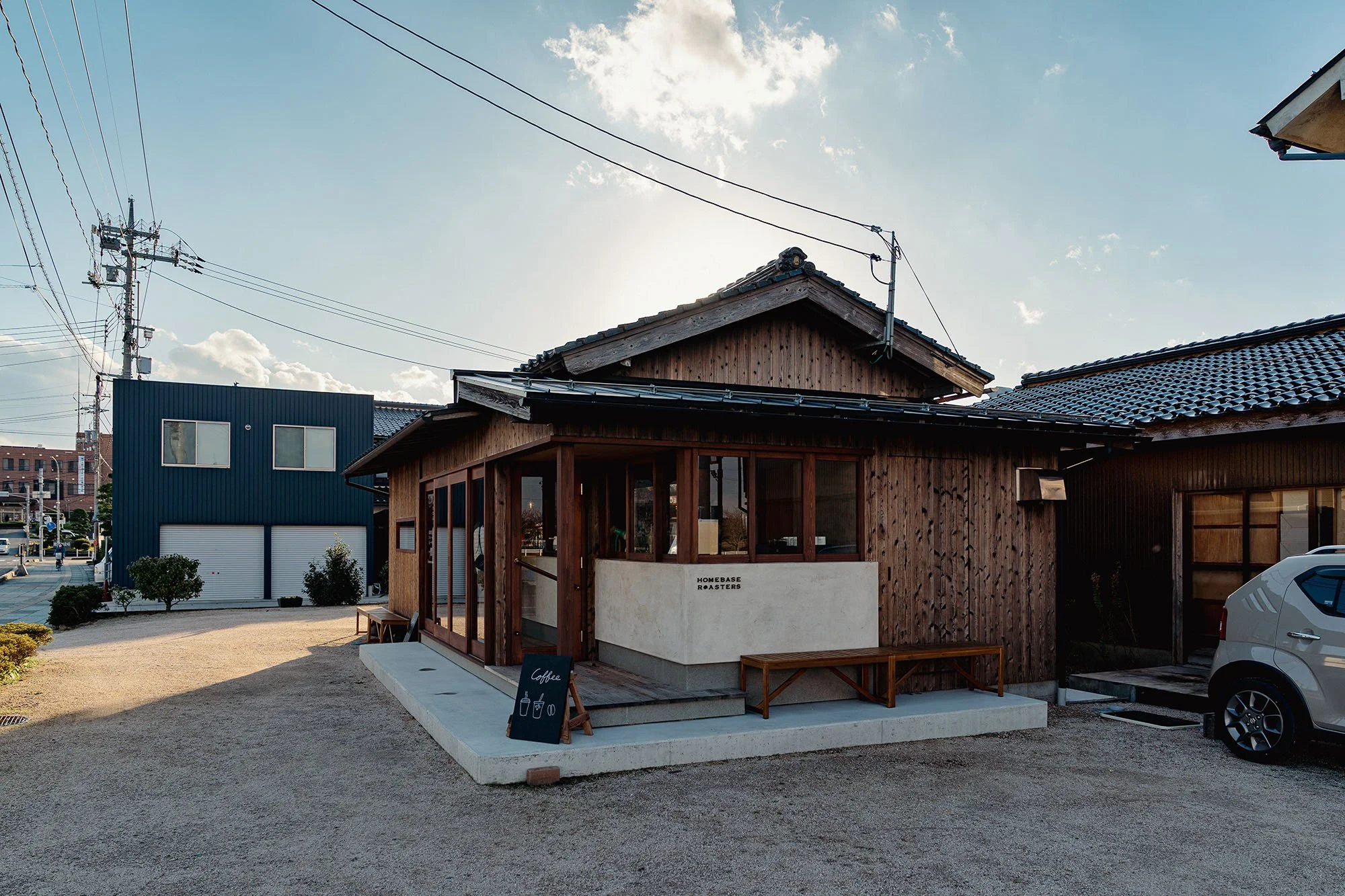
Located on the Yura River, right at the Great Conan Bridge, Homebase Roasters is a great stop for some delicious coffee.
In what seems like a converted, detached house, the barista puts care into crafting every cup. On the counter are a range of coffee brews that you can sample as well.
It’s great if you’re in the area and perfect if you’re exploring the Detective Conan neighborhood in Hokuei.
https://www.homebaseroasters.com/ [J]
Keep in touch:


As Japan’s least populated prefecture, it’s often forgotten, but Tottori is home to some of the country’s most unique views and a famous manga.