
Taipei, Taiwan
Taipei is the economic capital of Taiwan
It’s considered to be a wealthy city with 2.7 million people
History and food are often the two biggest appeals of Taipei
Updated in August 2026
Taipei is often overlooked by Western travelers to Asia, but it has a lot to offer, especially to people like me who love a place with good food.
It’s a city that has a modern yet authentically gritty vibe, balancing Chinese and Japanese influences. I visited twice, and to be honest, I left thinking it was just okay the first time in 2012. However, I visited a second time in 2026 and left with a much better impression.
I’ll share some of the things that I’ve done and places I’ve eaten at that I recommend in case you’re thinking of visiting.
How to get there
There are two international airports for Taipei.
Taoyuan International Airport (TPE) is the primary hub and is located around 40 minutes away from central Taipei. Taking the train, which is connected to the airport, or a taxi, are convenient ways to get into the city.
The second airport is Songshan Airport (TSA), and it’s right in the city, making it the more convenient option. However, they mainly serve domestic flights and others from nearby countries like Japan, South Korea, etc. You can commute to and from here on the Taipei Metro or by taxi.
About Taipei
When people think about Taipei, common things that come to mind are the food, history, Taipei 101, and tech. It has all of that, but it’s a city that’s constantly changing. In recent years, for example, it’s become known for whiskey due Kavalan (technically from a nearby city), its coffee scene and its focus on art.
It may not seem like it at first glance, but Taipei is said to be the second wealthiest city in Asia per capita. The fairly large city of about 2.7 million is also quite modern and progressive as it was home to the world’s tallest building for several years, was the first in Asia to legalize gay marriage, and overall, is quite clean.
To provide a feel of the city and places I went, check out a video of my second visit to Taipei:
How long to stay in Taipei depends on what you’re going for and how deep you want to get. Both of my trips were around 3 nights long. While it was enough to get a feel for the city and visit a handful of places, there were many others that we didn’t get to, and it’s clear that Taipei still had more to offer.
Things to do
Chiang Kai-shek Memorial Hall
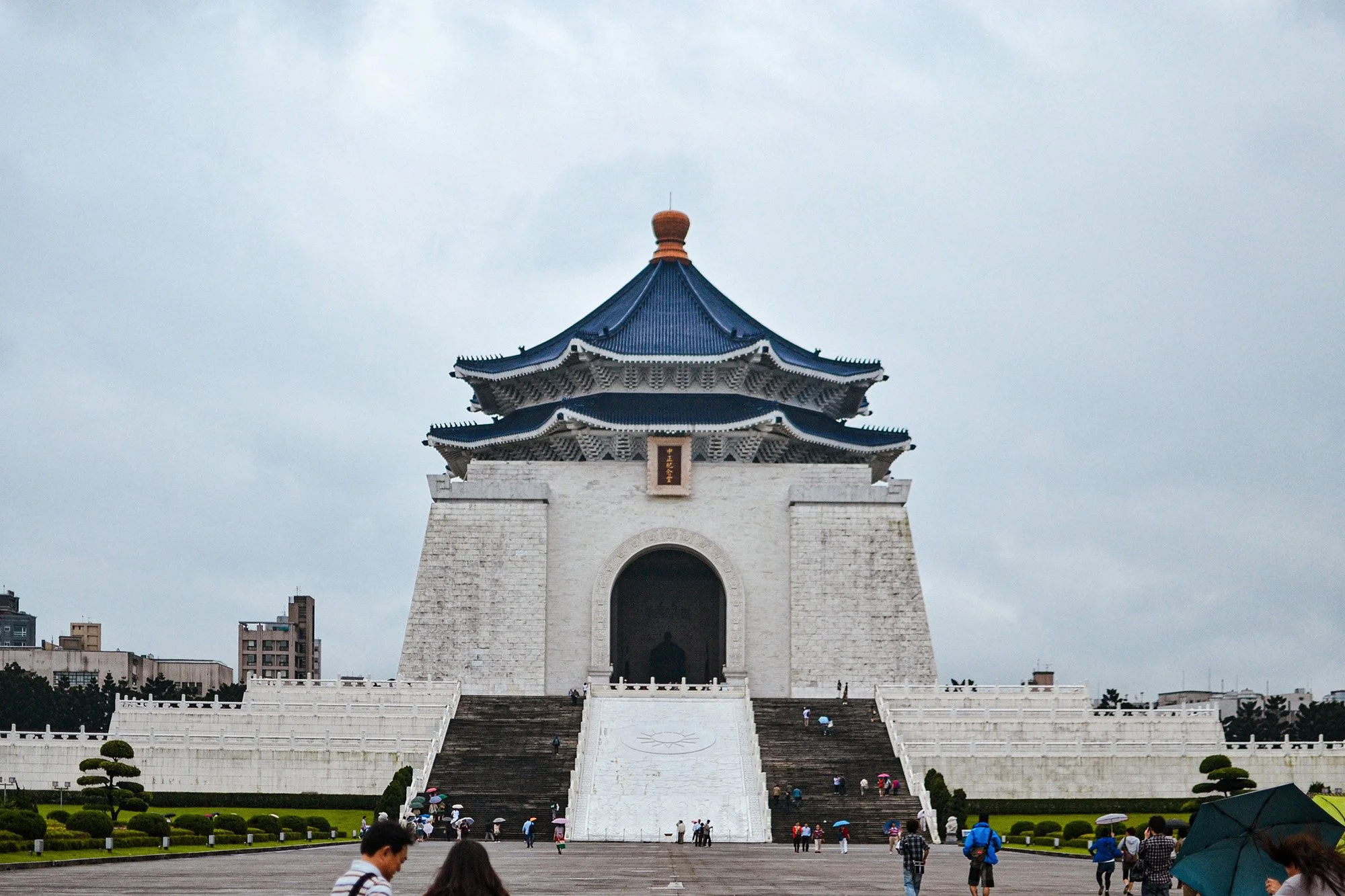
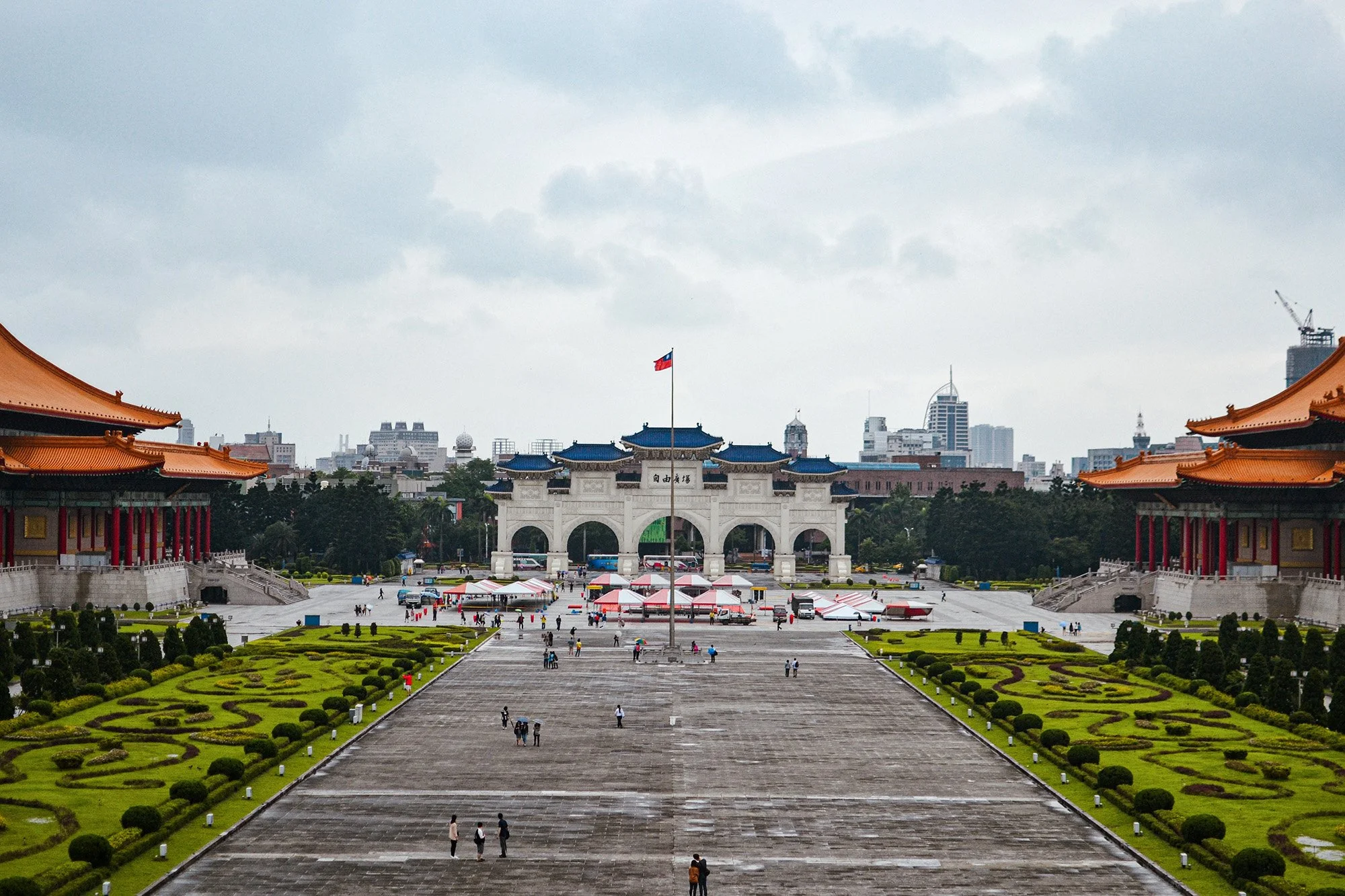
The Chiang Kai-shek Memorial Hall is one of the iconic cultural landmarks in Taipei. It sits in a large square along with other beautiful buildings, like the Liberty Square Archway (pictured at the top of this page) and the National Theater.
The hall, with its entrance at the top of some long stairs, is bigger than I first imagined.

Inside the hall, the changing of the guard there is a sight to see. I went to see this on my first visit, and the discipline and precise movements of the soldiers are borderline mind-blowing. You can snap photos of them all you want and they won't even blink. It happens every day on the hour between 9:00 AM to 5:00 PM, and last up to 15 minutes
Huashan 1914 Creative Park
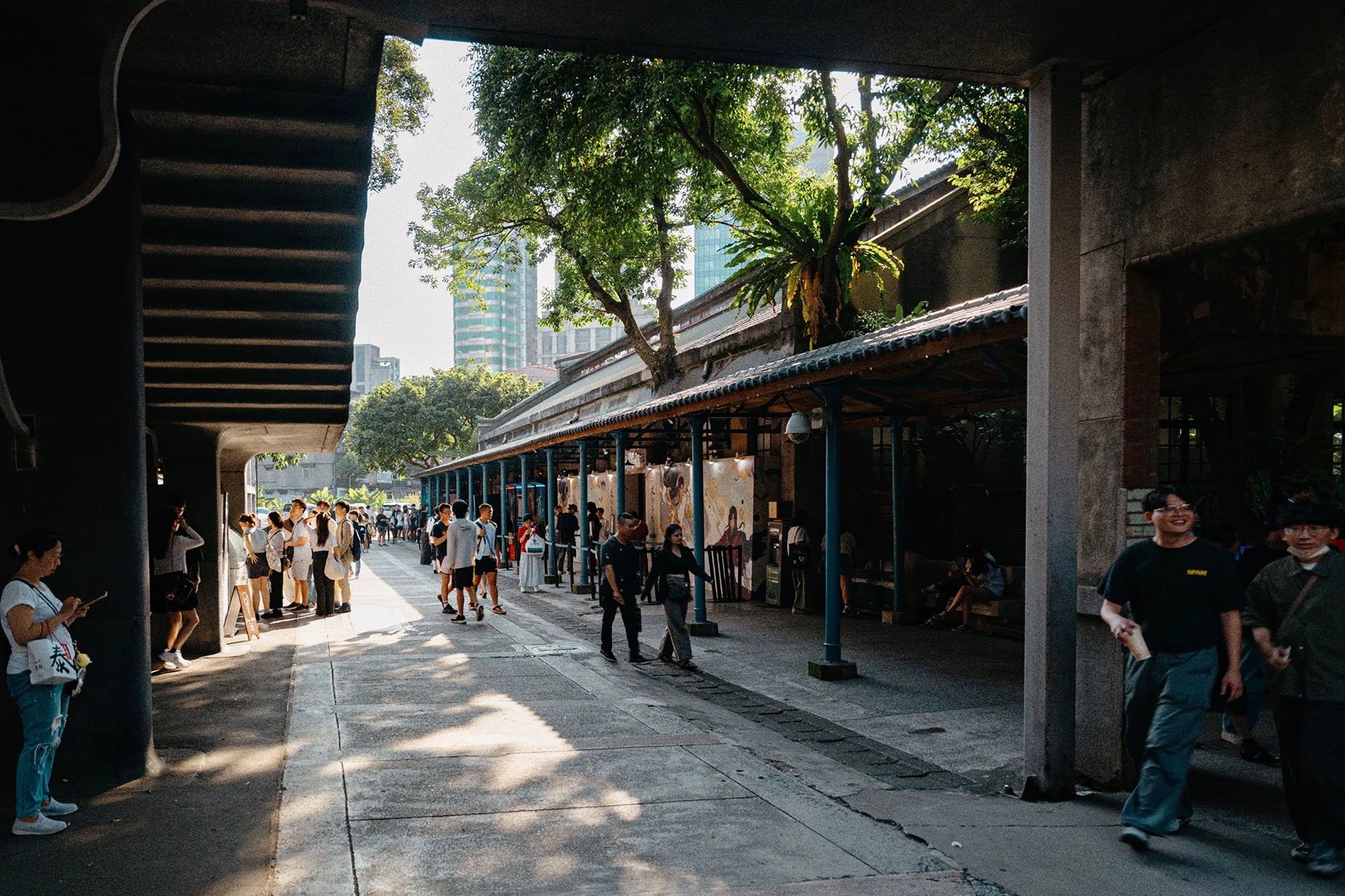
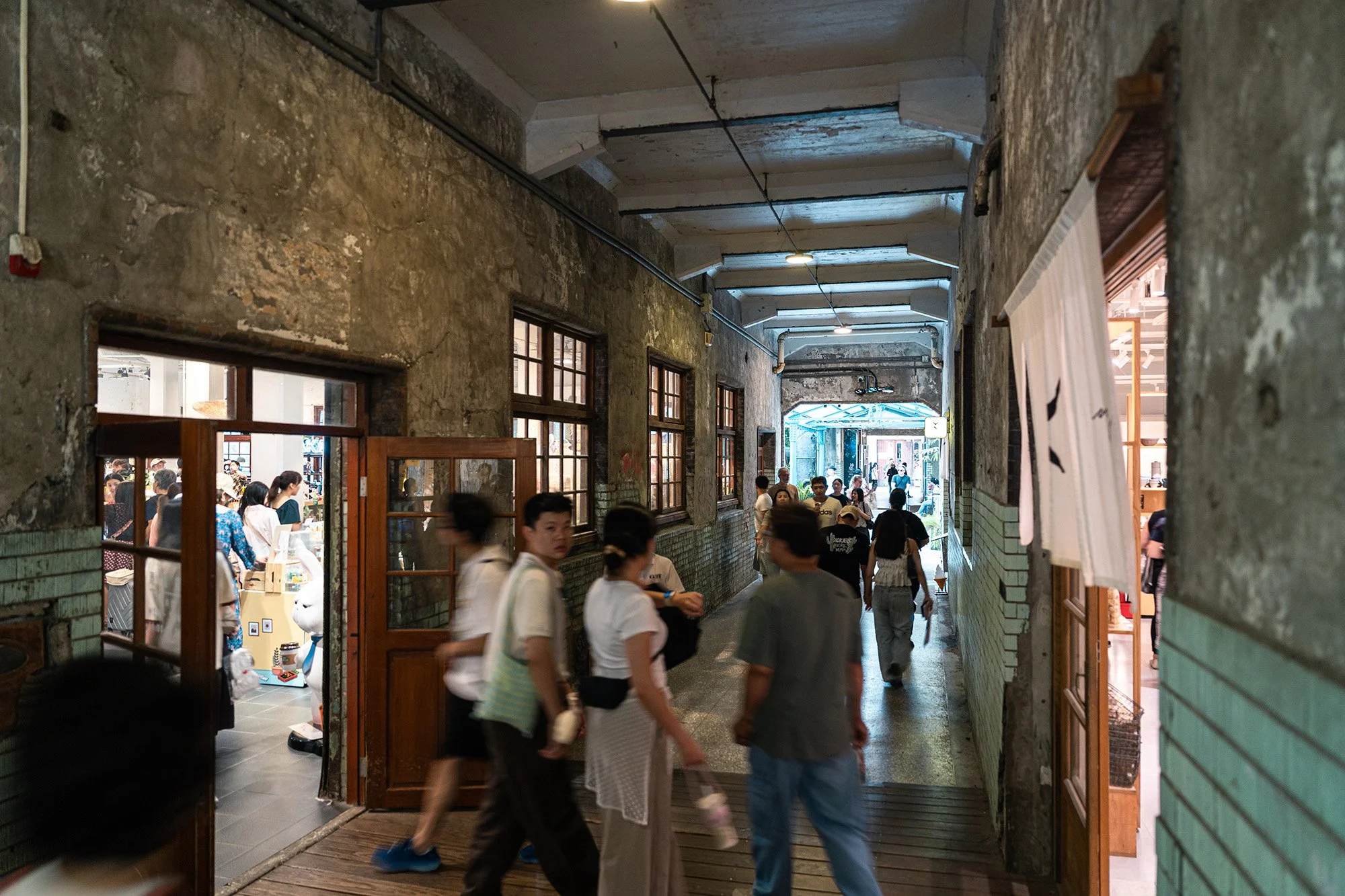
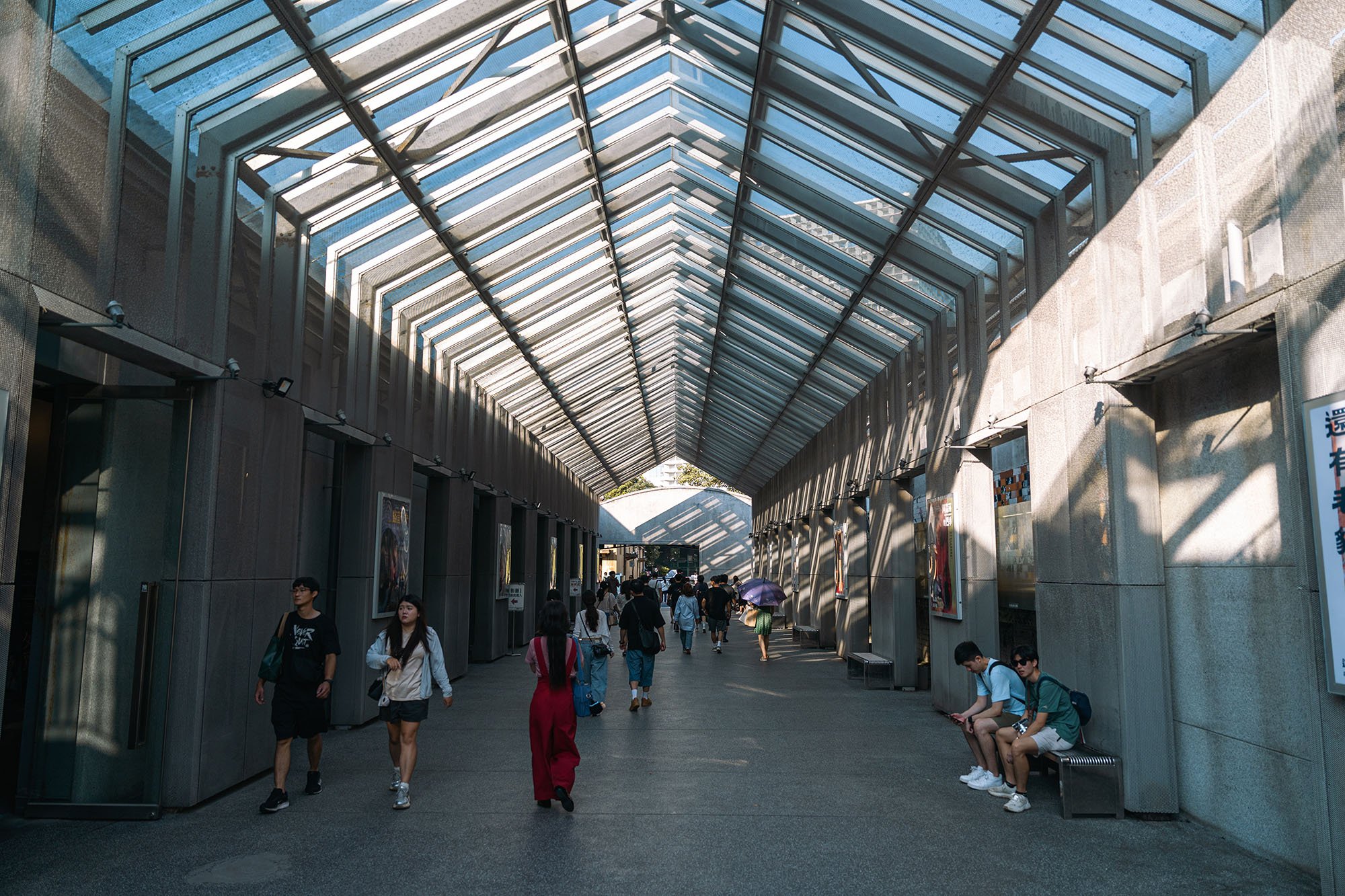
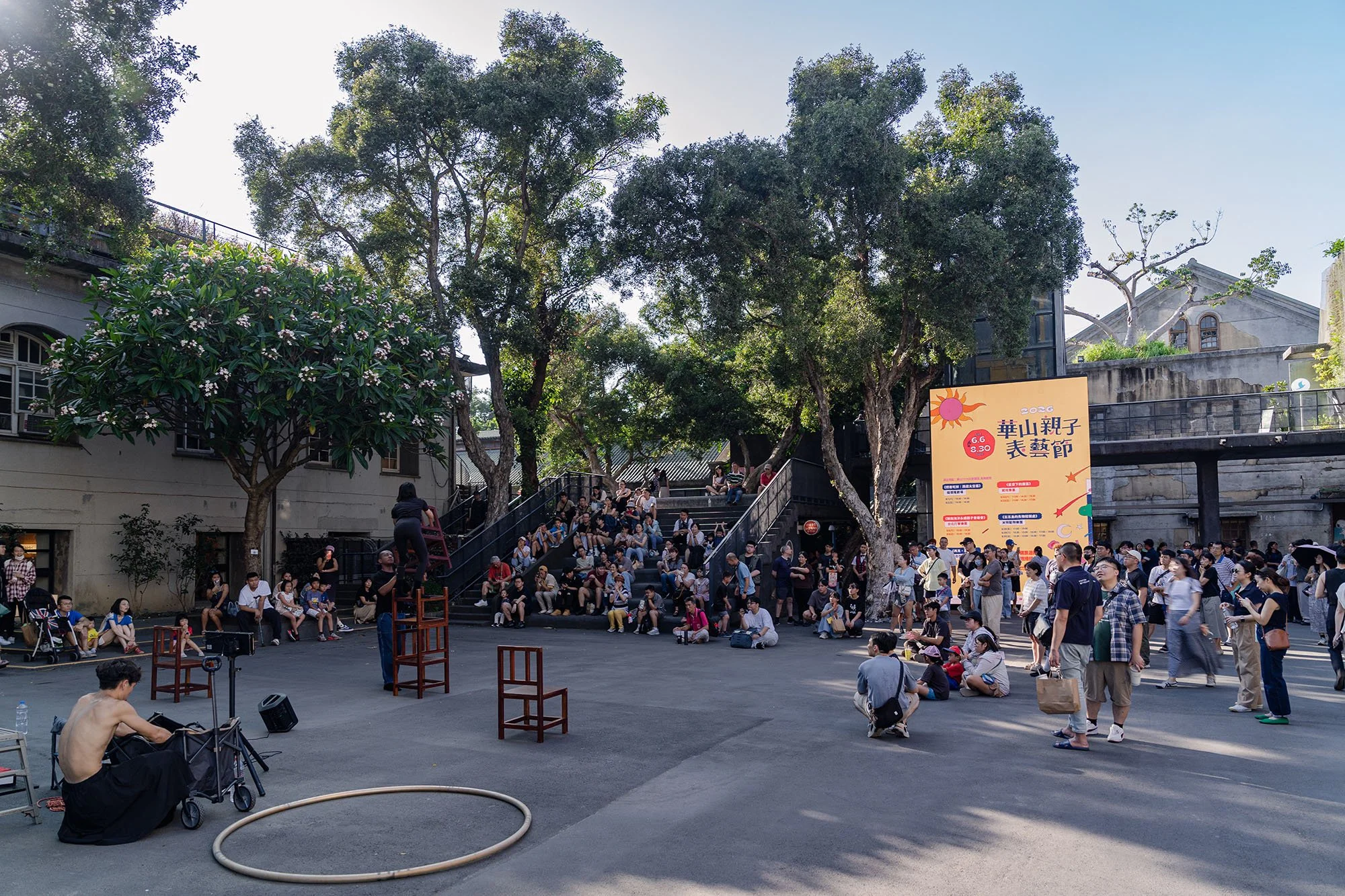
This is a creative space that represents the city’s push into the arts while maintaining its history. The Huashan 1914 Creative Park began as a Japanese sake factory in 1914, a time when the Japanese Colonial government took control of alcohol production in Taiwan.
After years of changes and artist advocacy, Huashan 1914 Creative Park began operating in 2007. The park has several buildings that have been repurposed, and includes outdoor spaces to take a break, shops that feature independent artists, and spaces that hold performances.
I visited on my second trip (in my video above) and found it to be not just an arts and creative hub, but also a nice spot to do some casual shopping as well as a great third space. It’s also near a cafe that is often considered amongst the best in Asia, which I’ll share towards the bottom.
Dihua
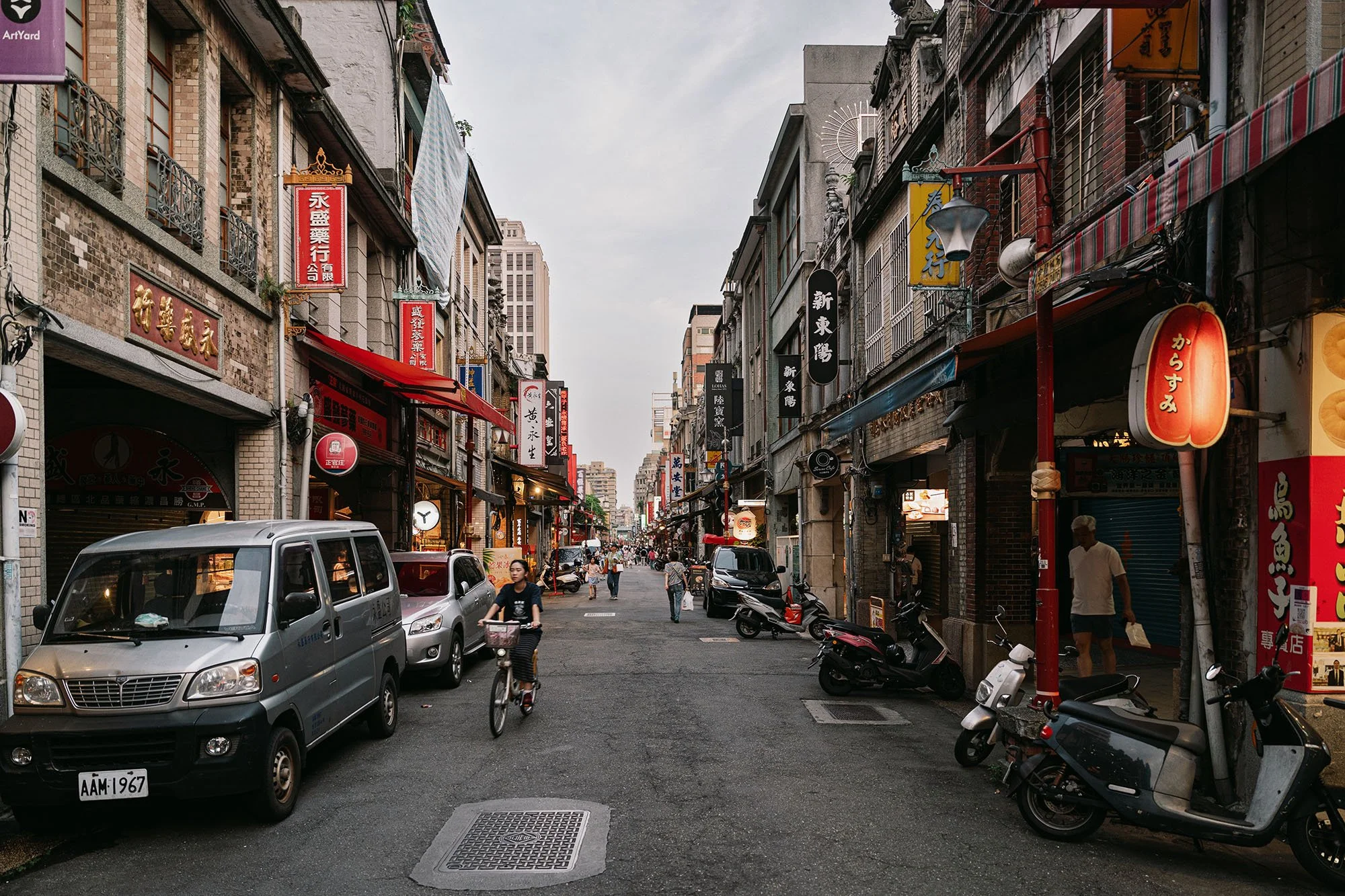
Located in the Datong District near the Tamsui River, Dihua Old Street in particular is fun to explore. The area has an older vibe to it, making it feel rich in culture and photogenic.
Along the street, there are many shops selling various items such as herbs, teas, dried fruits, and more. It’s also convenient to explore in the evening because just nearby is a night market.
Ninxia Night Market
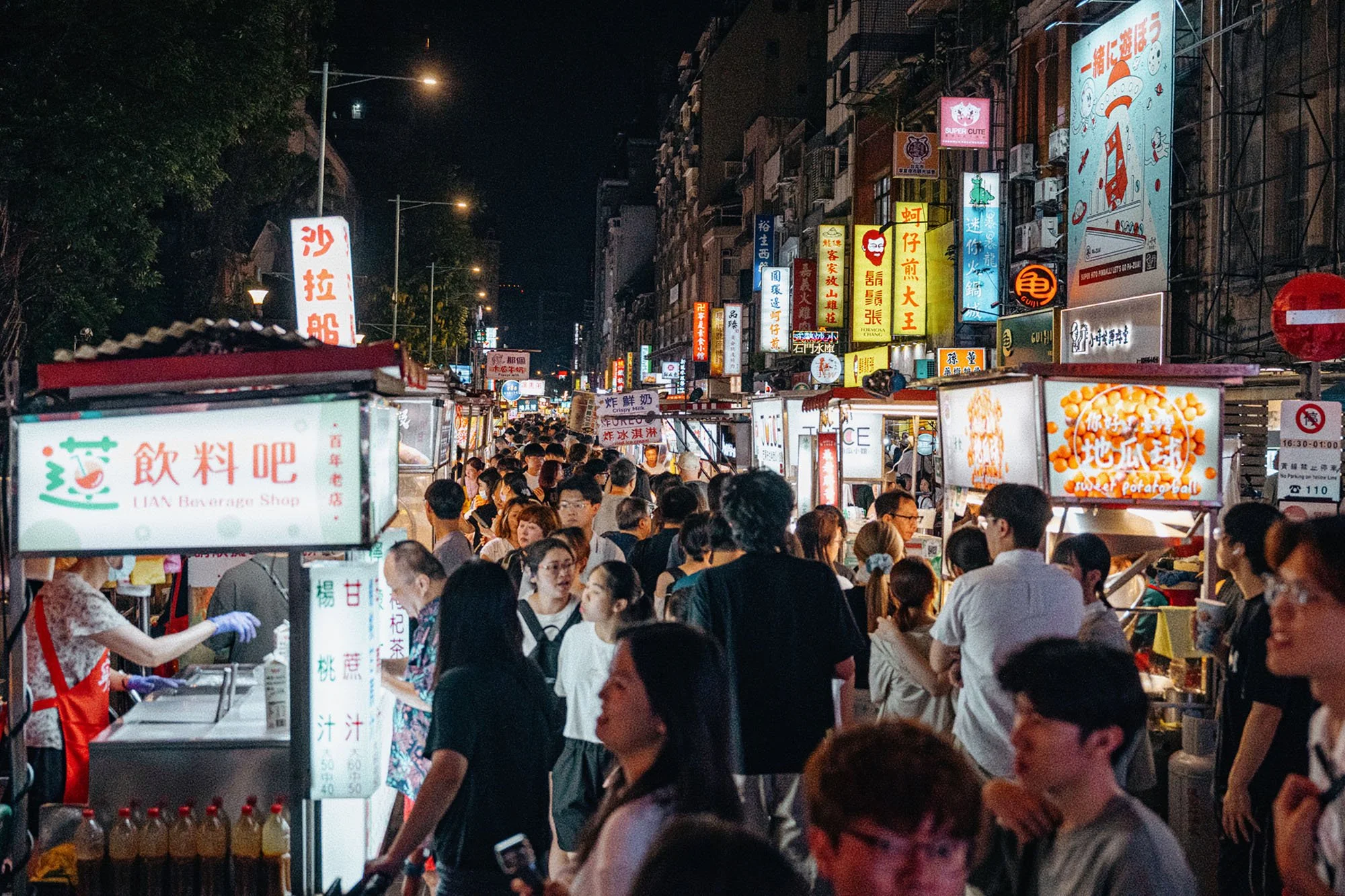
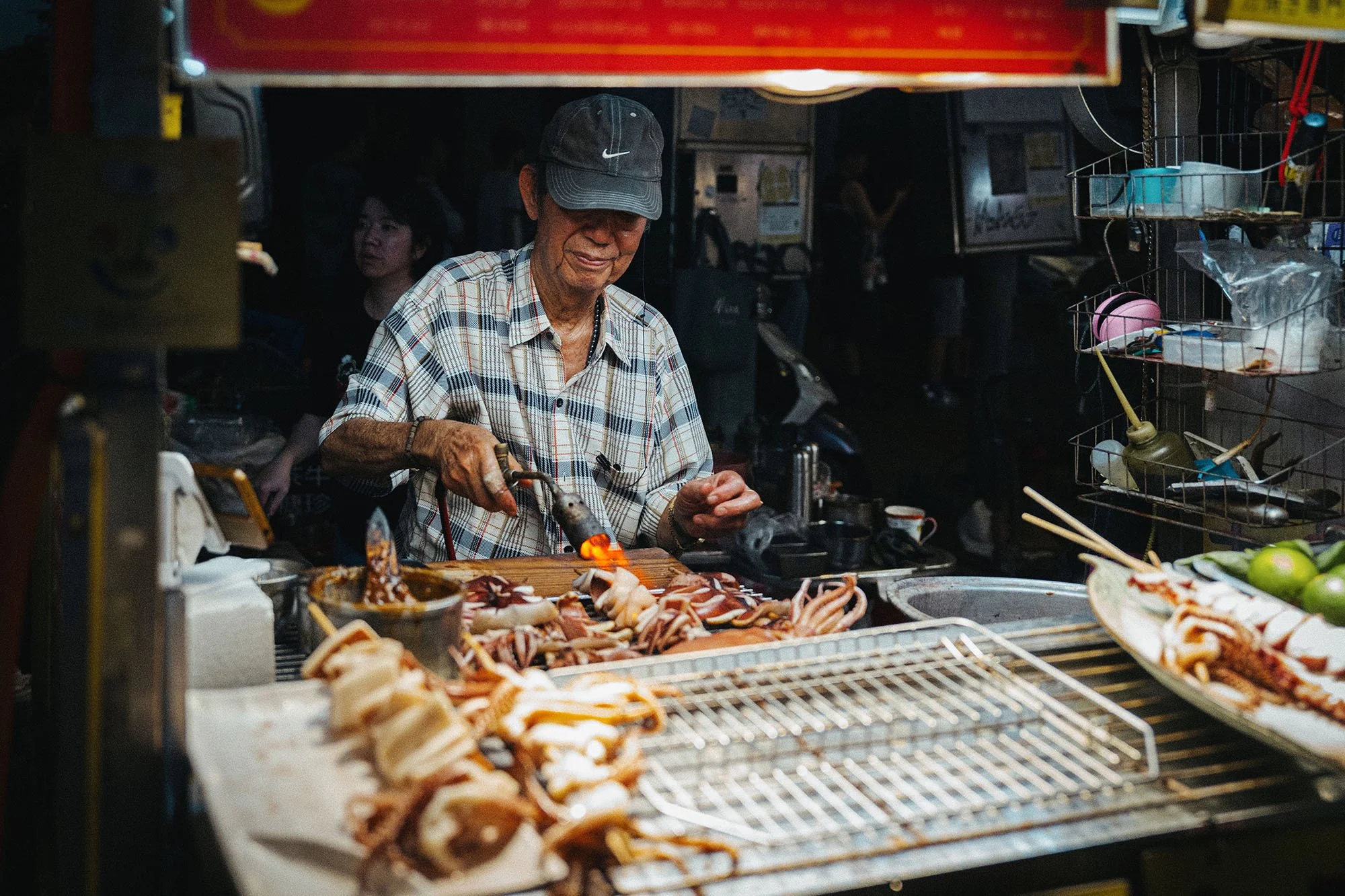
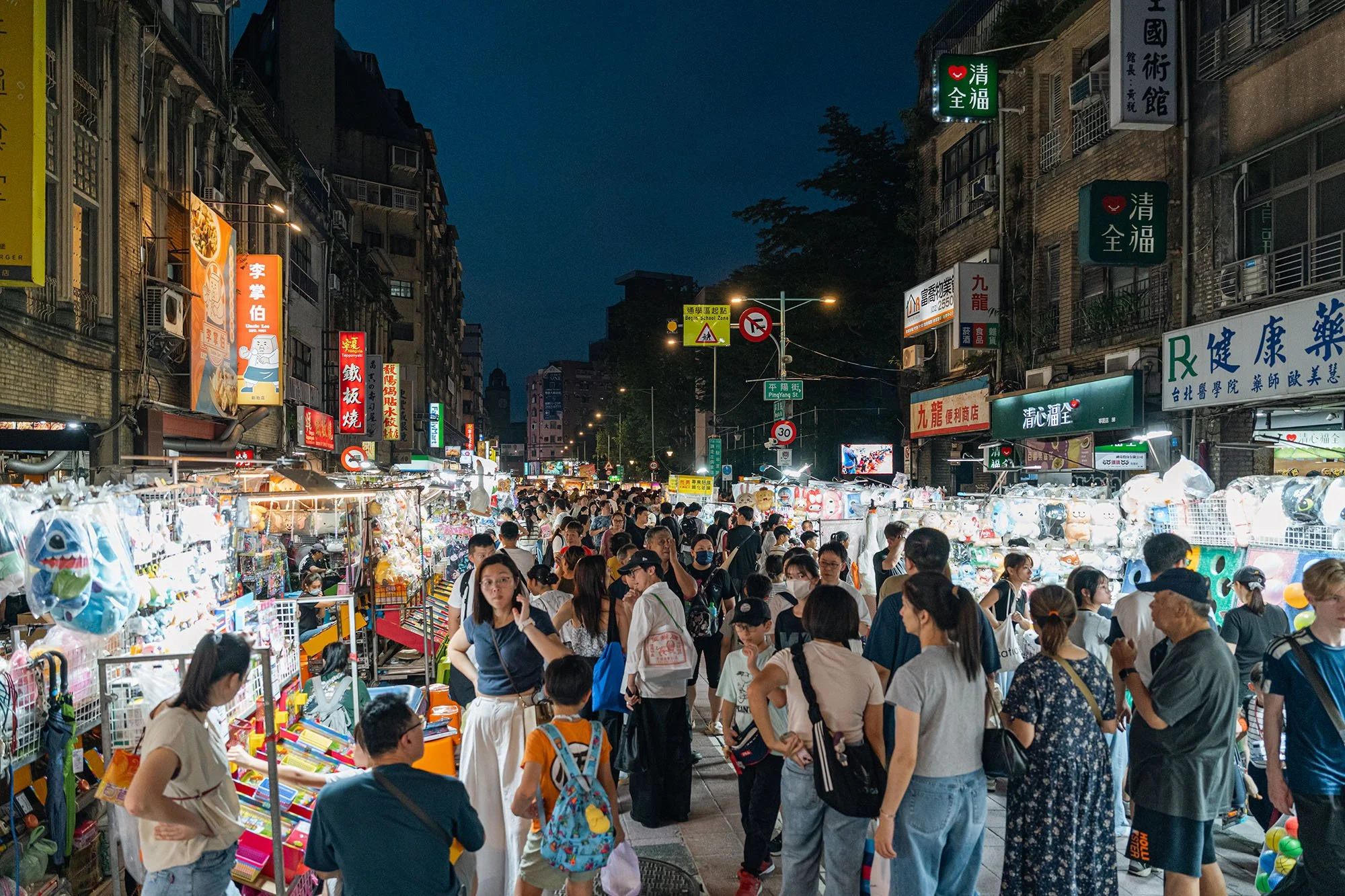
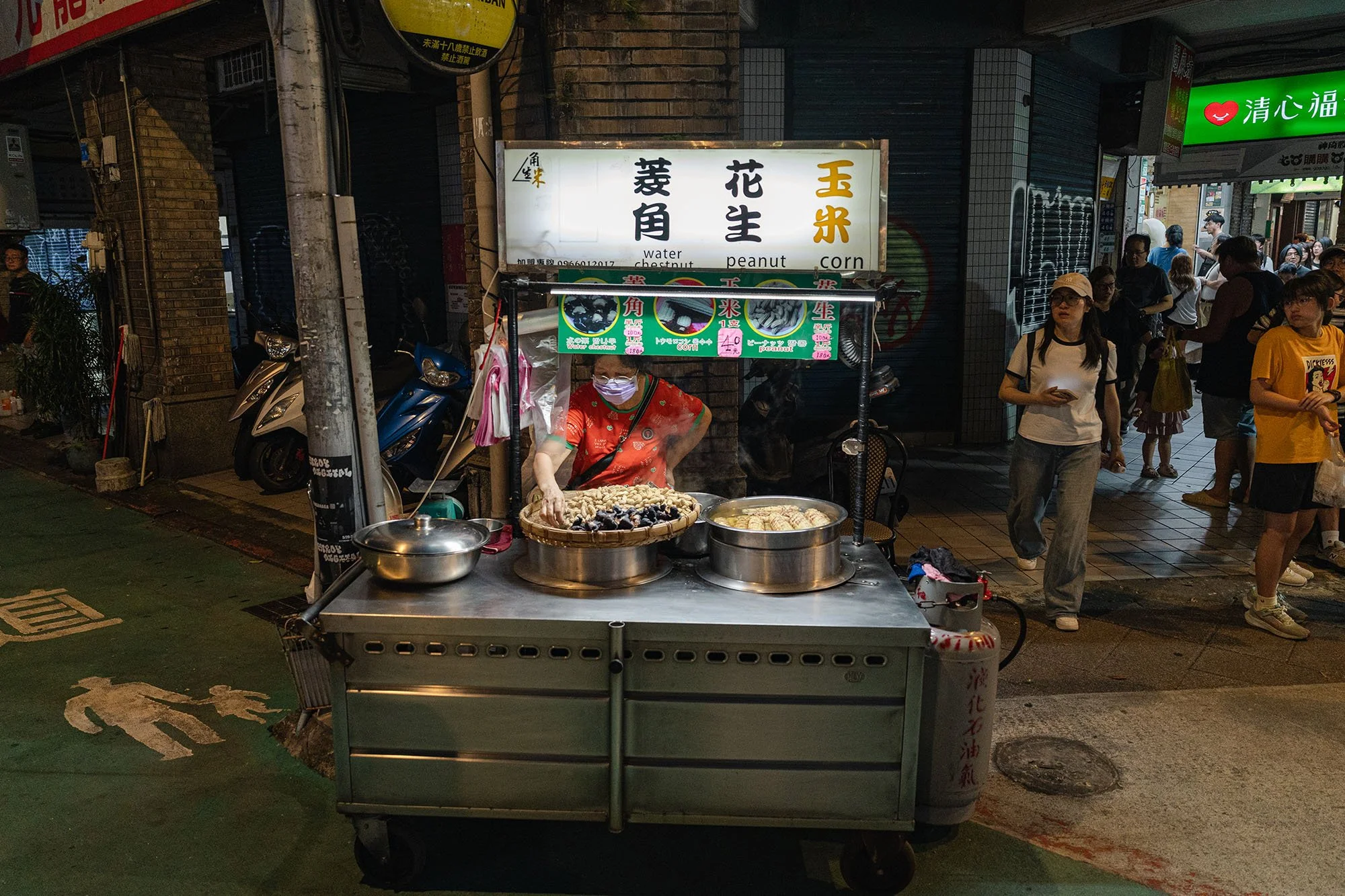
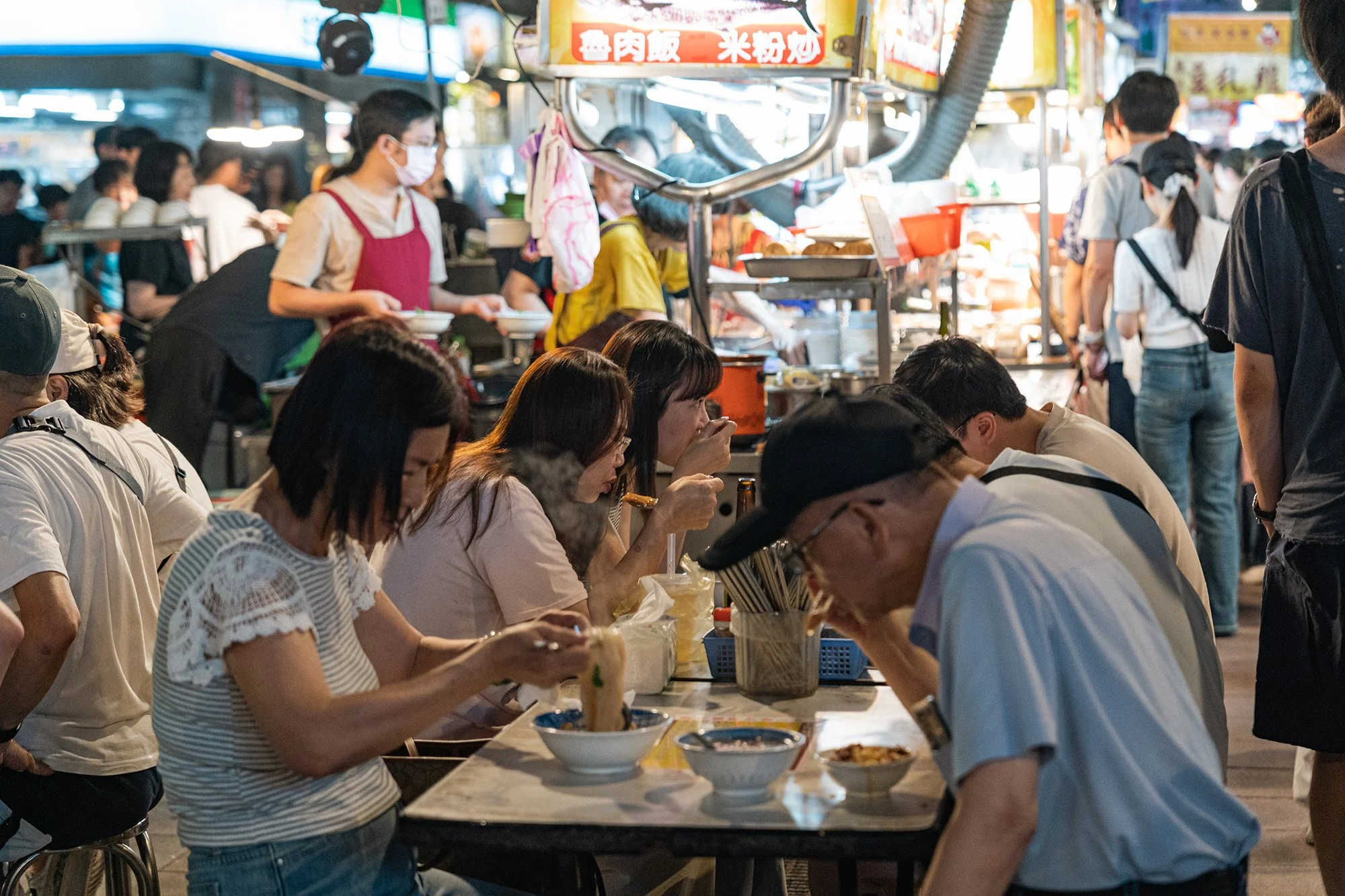
Just a short walk from Dihua Old Street is Ninxia Night Market. It’s less extensive than some of the more famous night markets in town, but that’s a good thing. Stalls open up in the middle of the street, extending about a block or two, and feature a wide variety of foods to choose from.
The buildings along the street also have various eateries, making it a great spot to explore, try different foods, and just enjoy a bustling, lively atmosphere that feels a little more local than many of the other areas. I visited on my second trip and enjoyed dumplings, lu rou fan (braised pork belly over rice), a peanut ice cream roll and more (in the video above).
Songshan Cultural and Creative Park
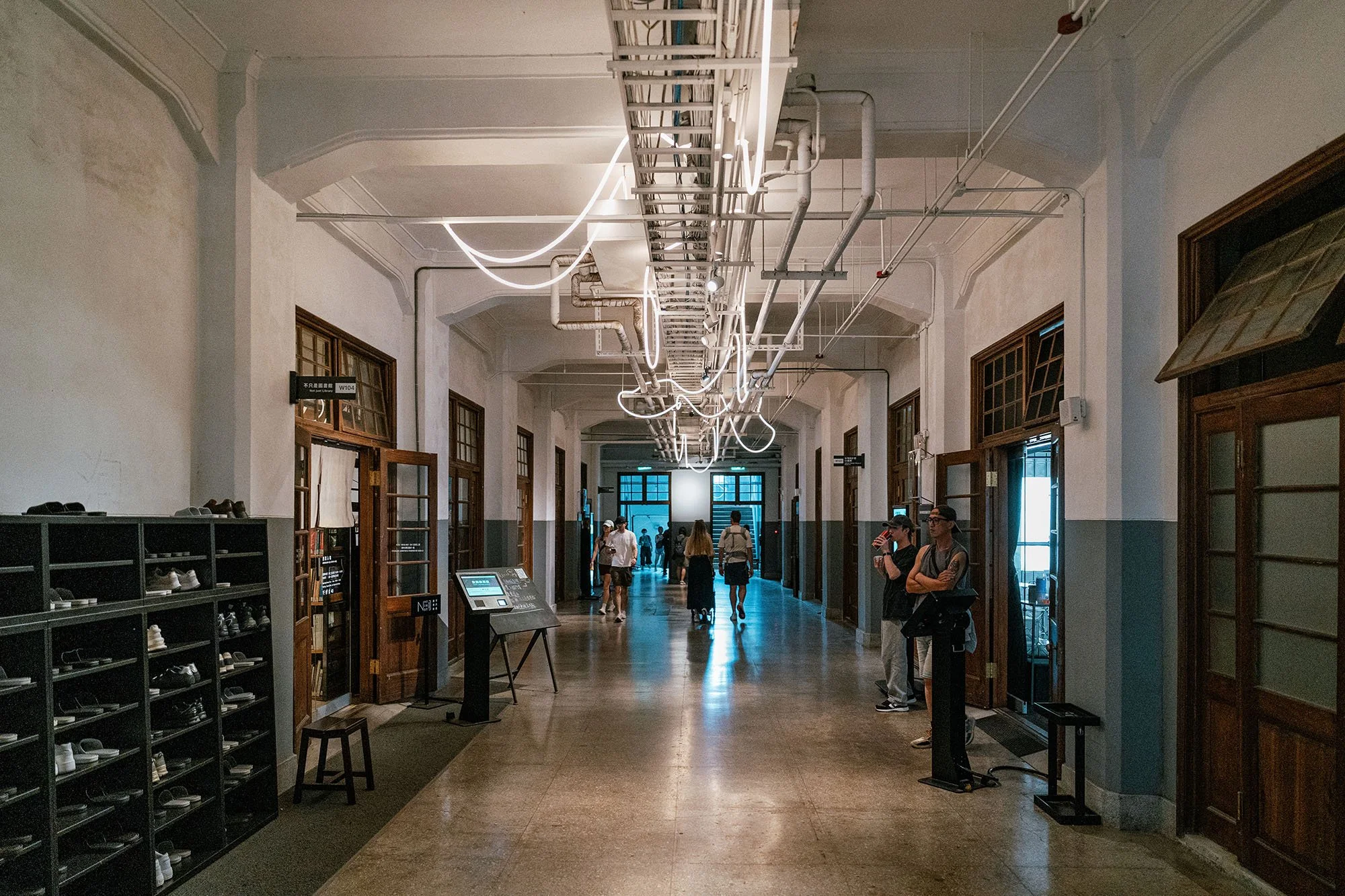
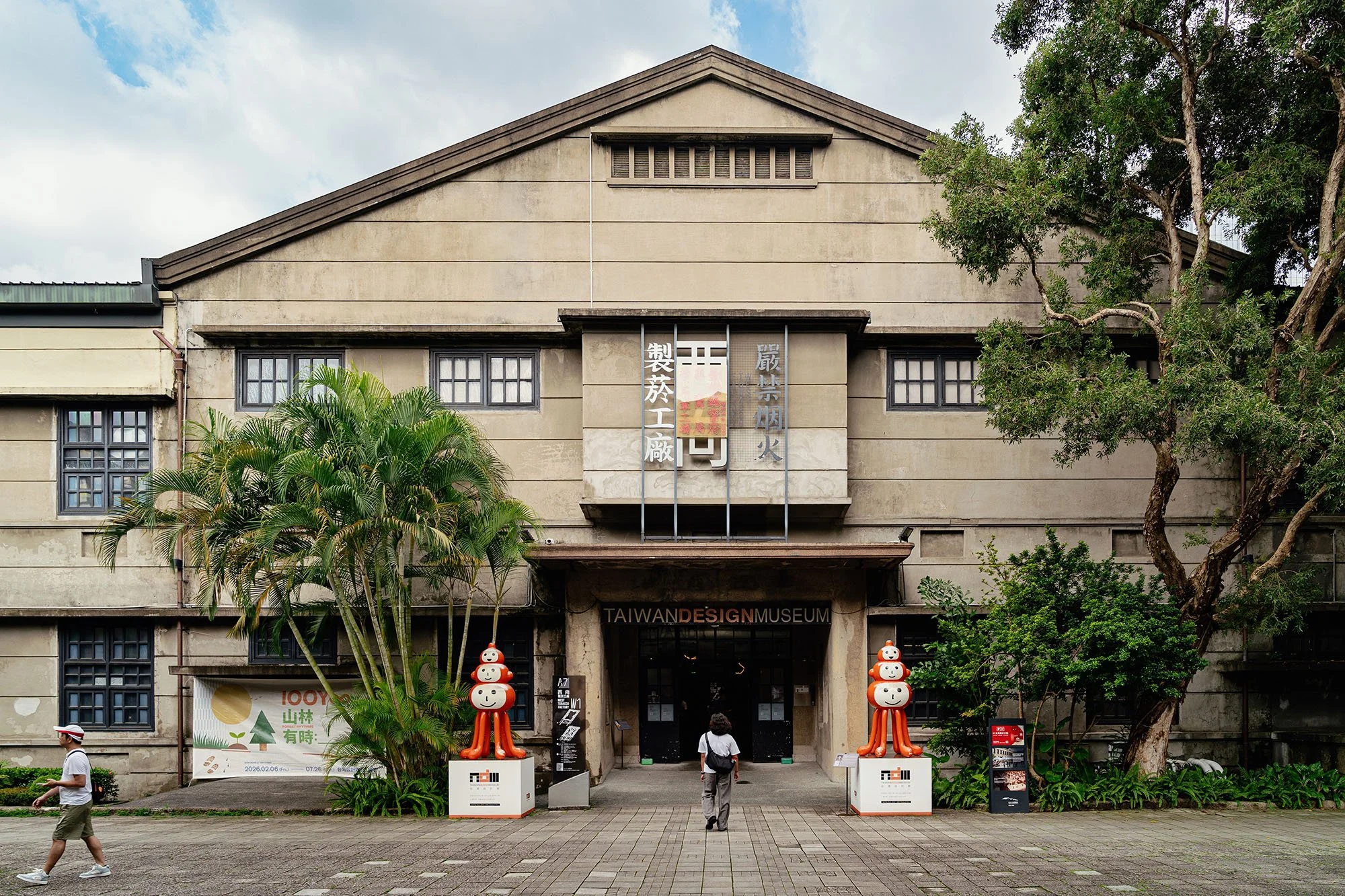
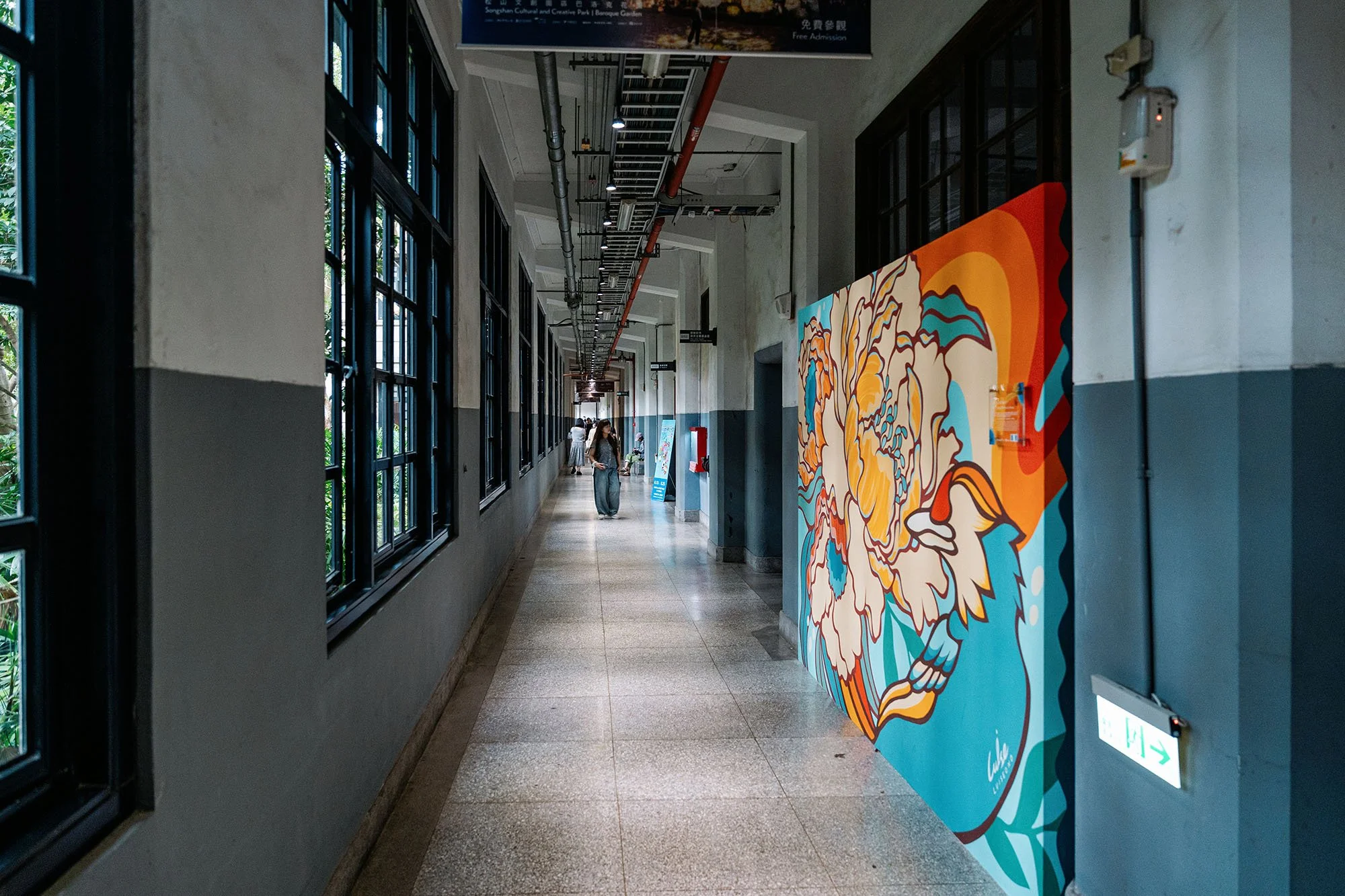
The Songshan Cultural and Creative Park is another third space focused on art and culture. Built in 1937, the grounds were originally a tobacco factory before closing down in 1998. It was listed as a municipal historic site in 2001 before eventually becoming what it is today in 2011.
There are a variety of shops, some featuring items from small creative brands, and it seems there are often various events and exhibitions happening. I visited the park on my second trip and there was an anime event, K-pop pop-up, and various food booths set up.
Shilin Night Market

One of the most famous night markets in Taipei, Shilin Night Market is large and has everything from clothing and knick knacks to food and deserts. With so many options to choose, from, it makes for a fun night out of exploring.

I went to the market on my first trip to Taipei and after being pushed, I took a bite and tried the infamous stinky tofu. It was no easy task for me, and to its credit, the strong smell is way worse, but once was good enough for me, personally. I went to clean everything off with an amazing dessert - shaved ice topped with mango, tapioca balls, mochi, mango syrup and mango ice cream.
I was younger on my first trip, obviously, and we made sure we got some nightlife in. A local friend took us to a bar called Barcode, a club called Spark, and my favorite, a bar with an outside terrace area called In House. I can’t confirm their situation now, but overall, I found Taipei’s nightlife scene to be very fun.

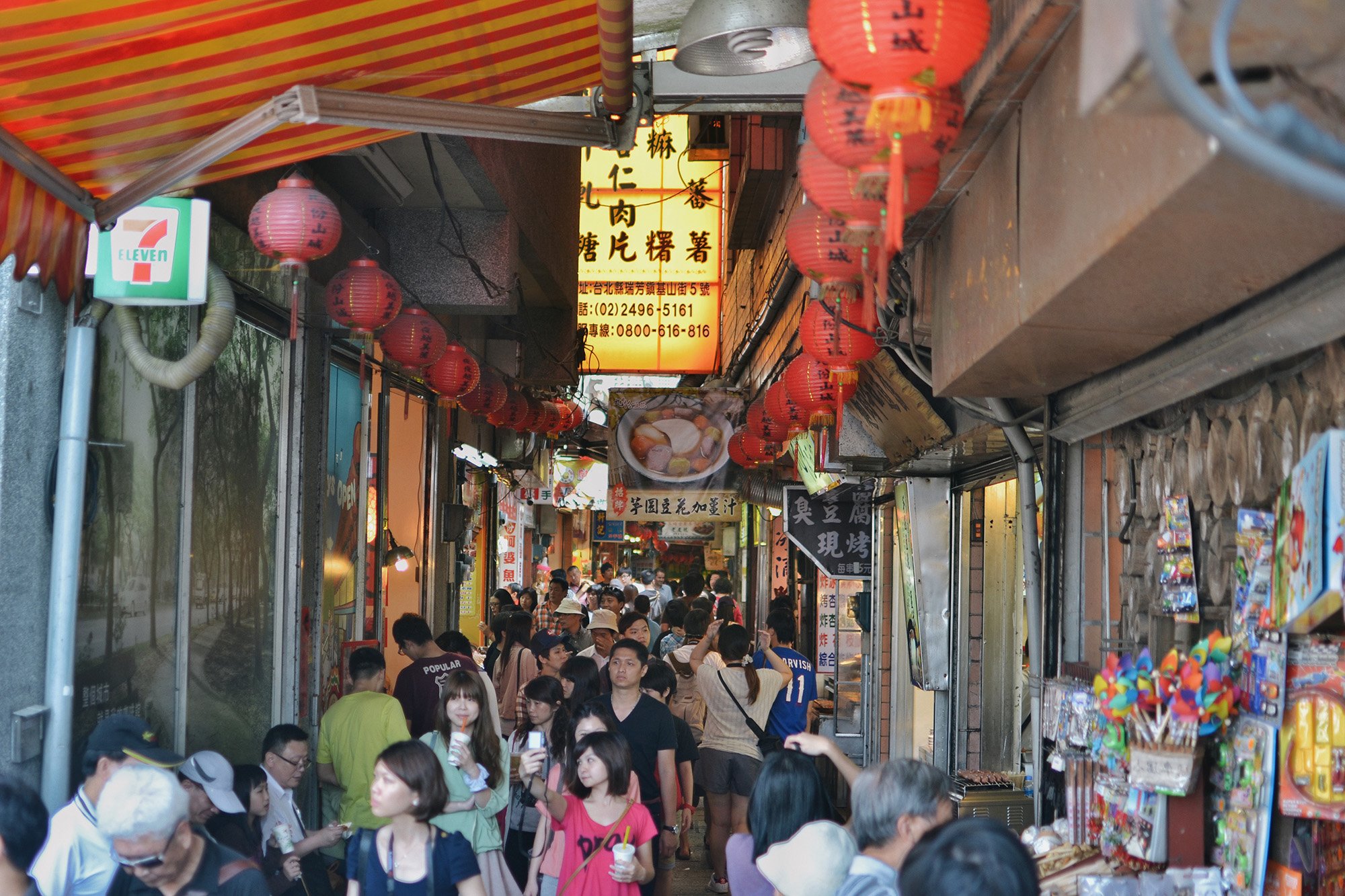
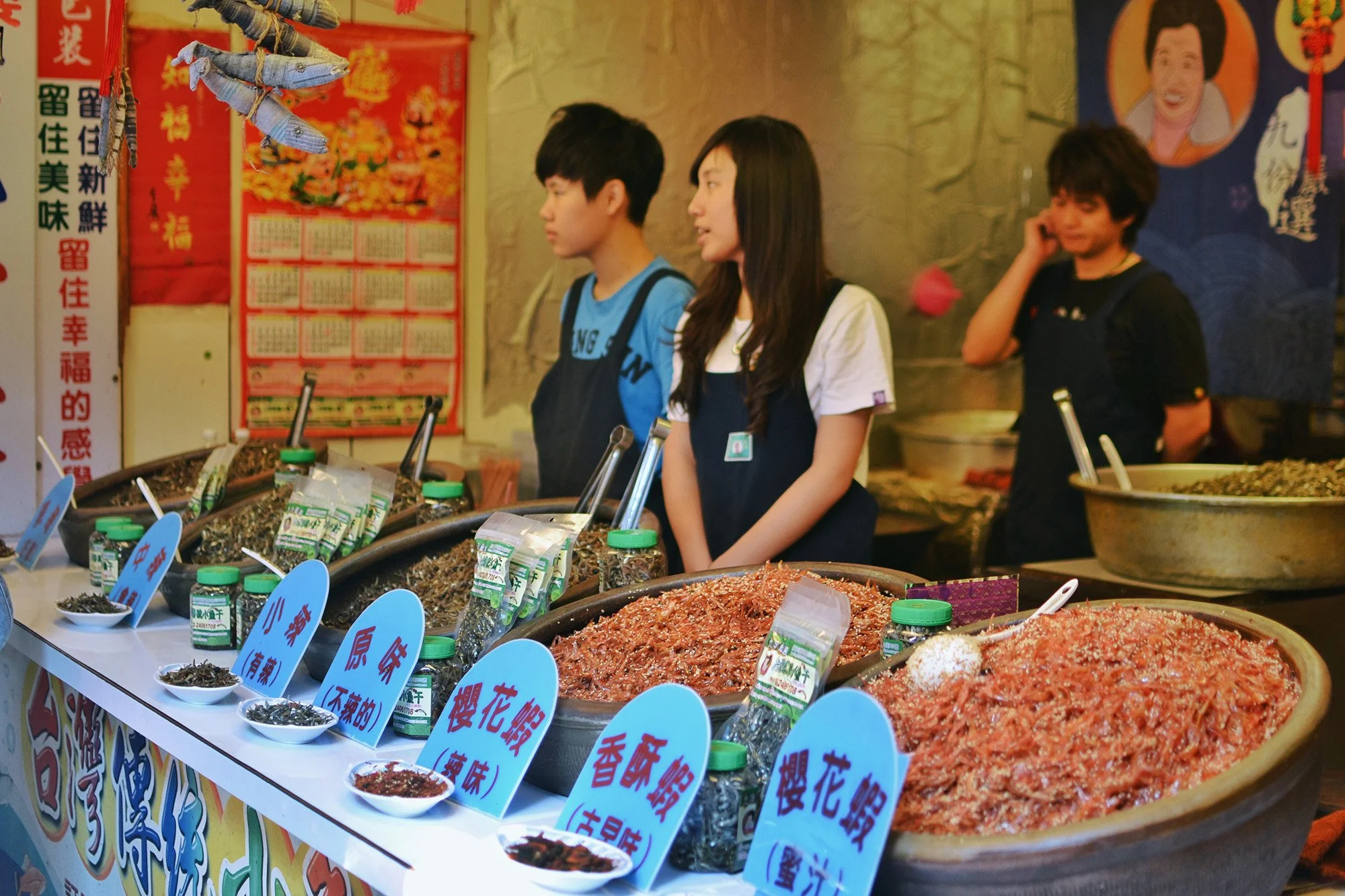
We also went to Jiufen, a town in the mountains not too far from Taipei. I know it’s a different place, but since many who visit Taipei end up going to Jiufen, I’ll include it in this blog.
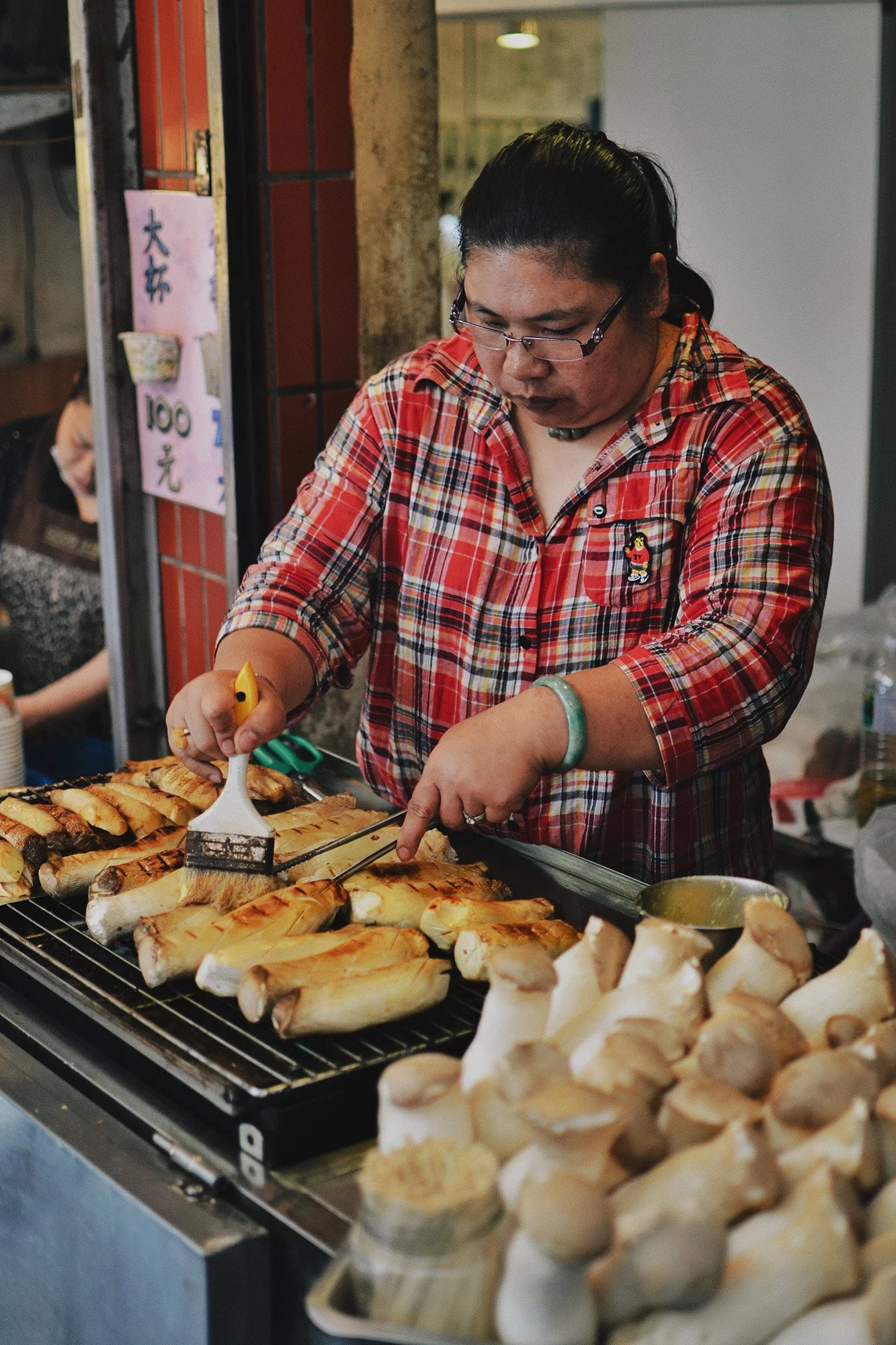
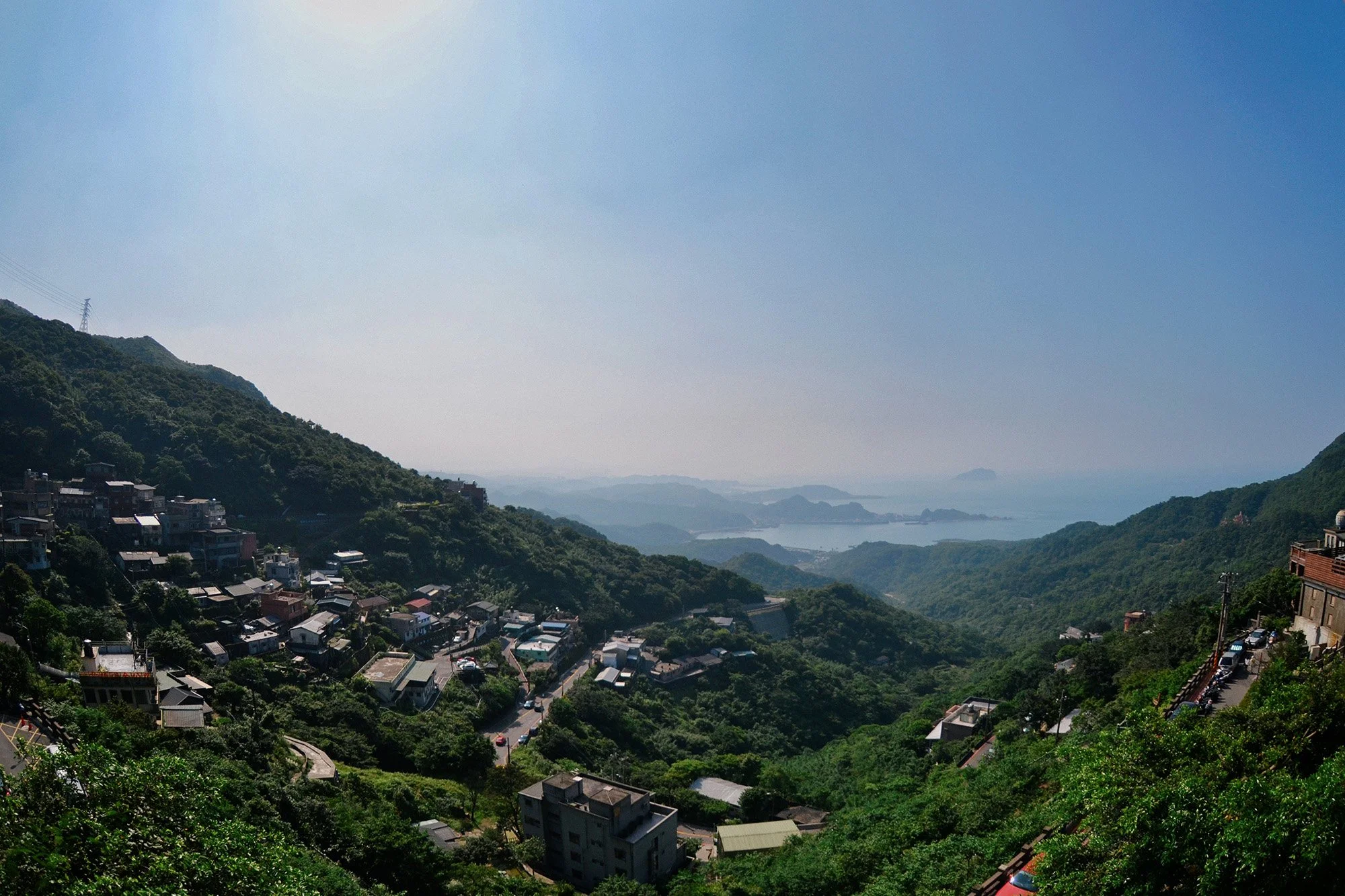
With so many narrow streets, walking paths and stairs, it’s amazing for photography. It’s packed with small shops with people cooking and selling different types of foods to try out. You also get a pretty nice view of the ocean. It is a bit of a tourist destination, however, and for what it’s worth, I didn’t visit it on my second trip.


What to eat
Master Jim Beef Noodle
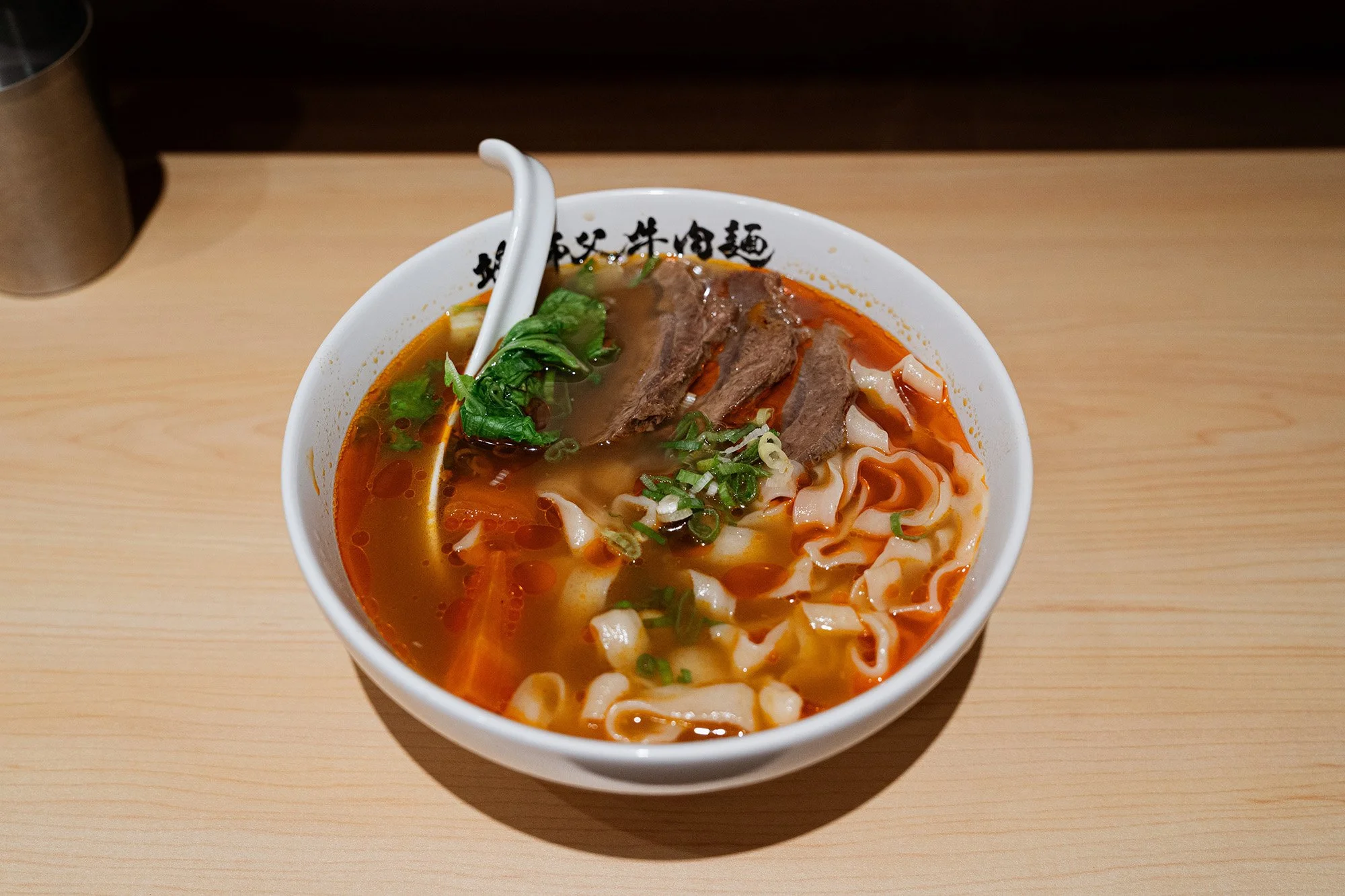
A delicious bowl of comfort. The braised beef noodle soup at Master Jim Beef Noodle really hit the spot.
The mild but flavorful broth is accompanied by fat, flat noodles and slices of braised beef that are melt-in-your-mouth tender.
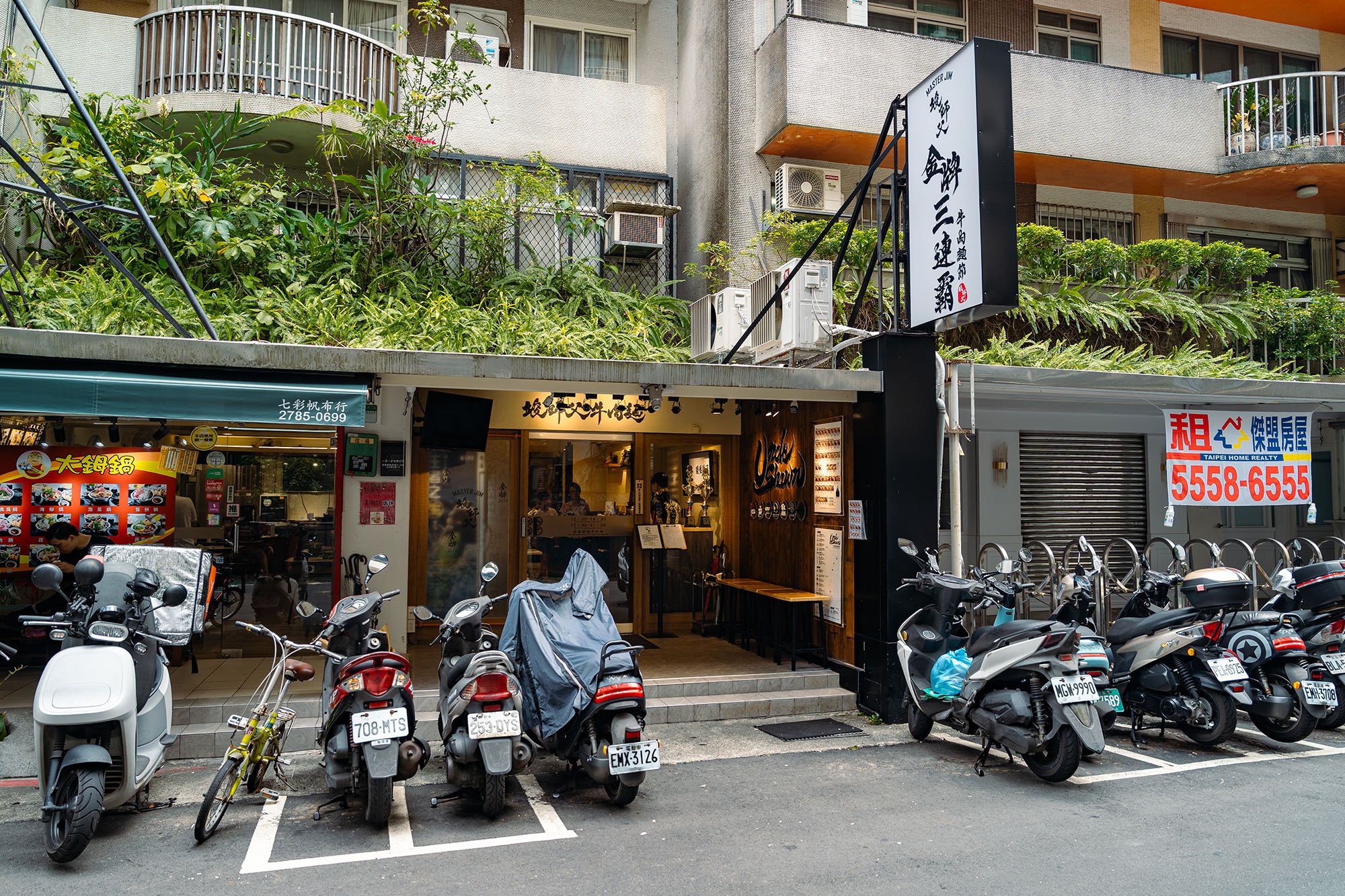
There’s both counter and table seating, the service is good and they provide disposable bibs to protect your clothes. The counter also had outlets to charge your devices.
A nice spot that I recommend stopping by for lunch.
Din Tai Fung
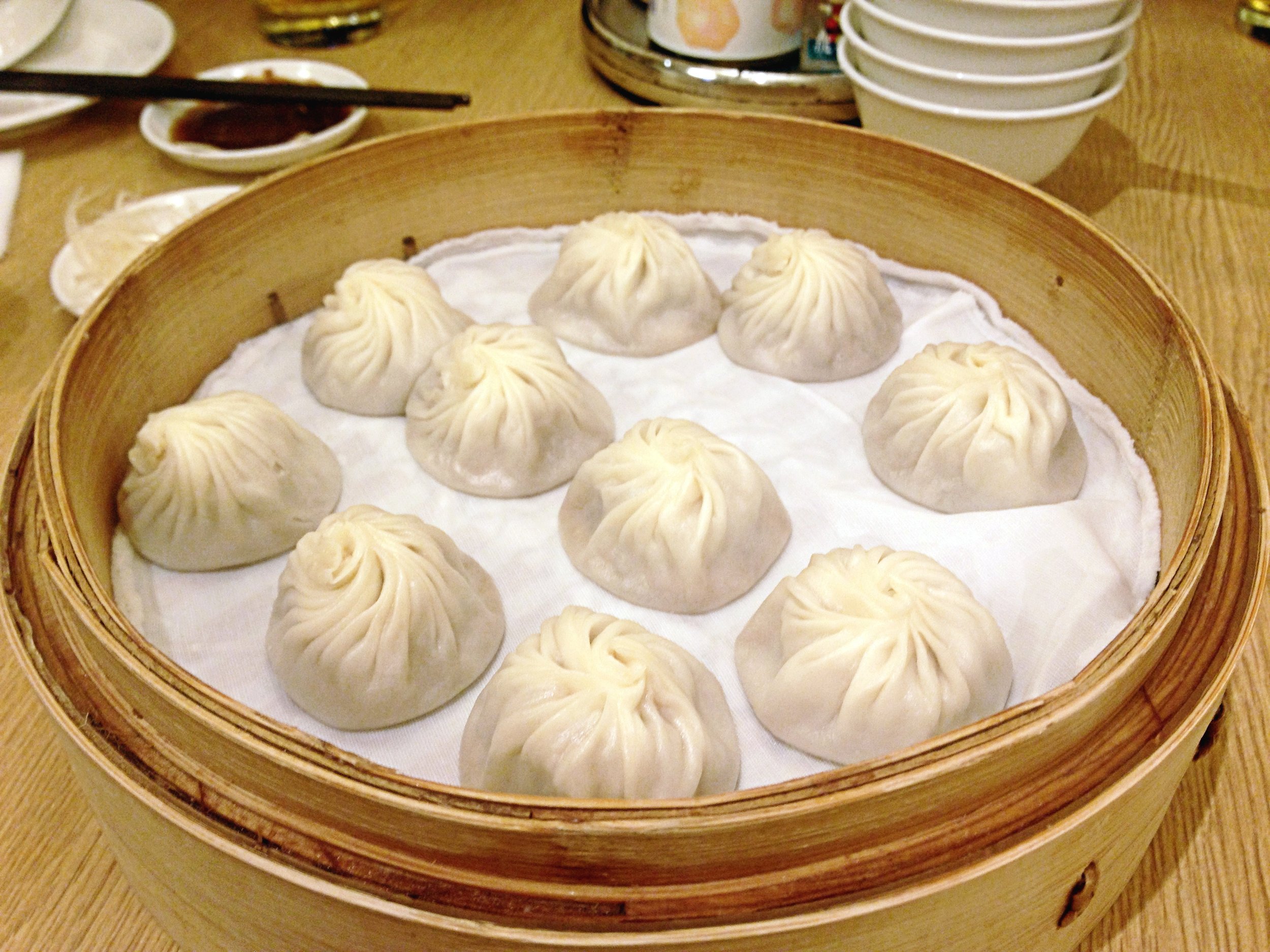
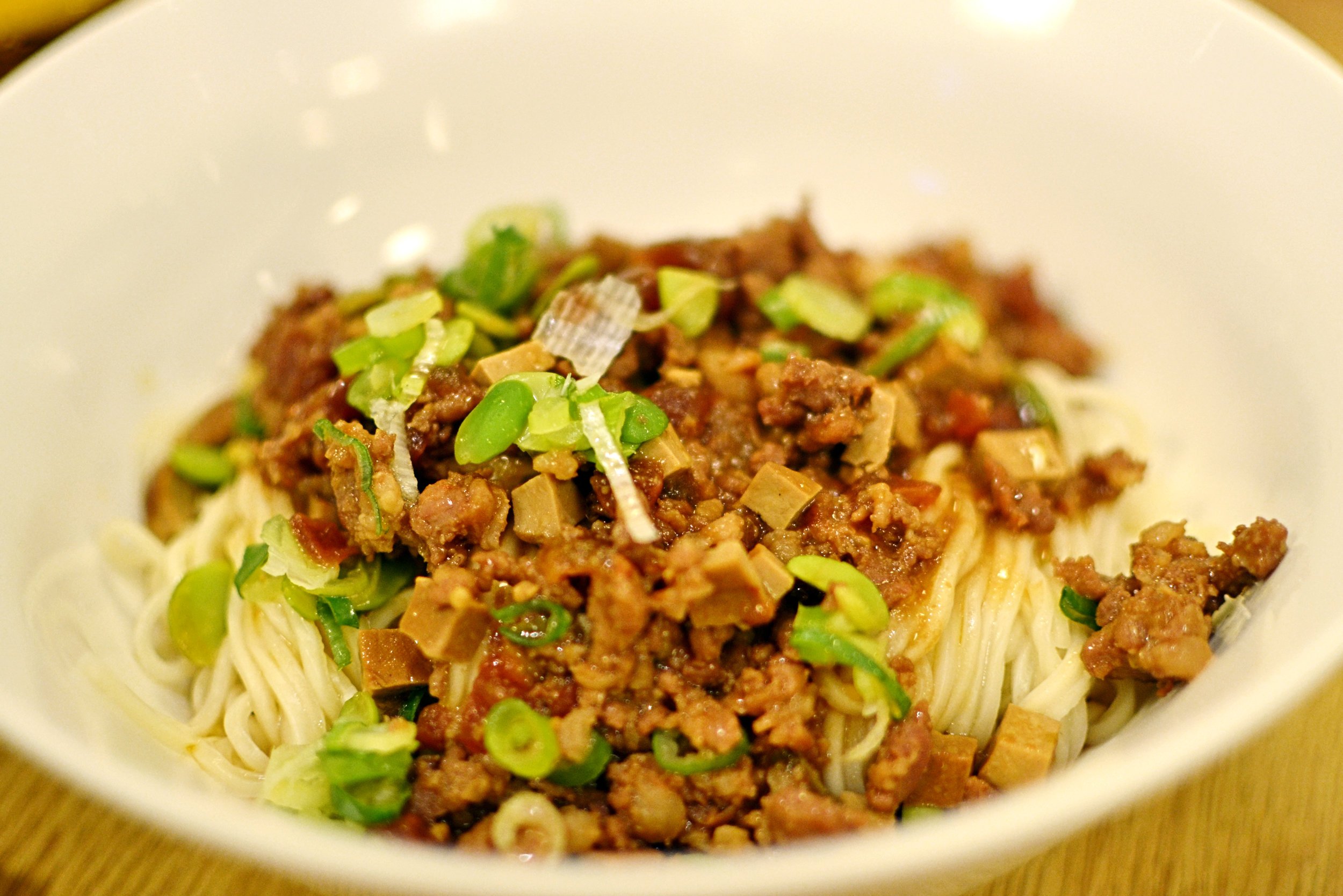
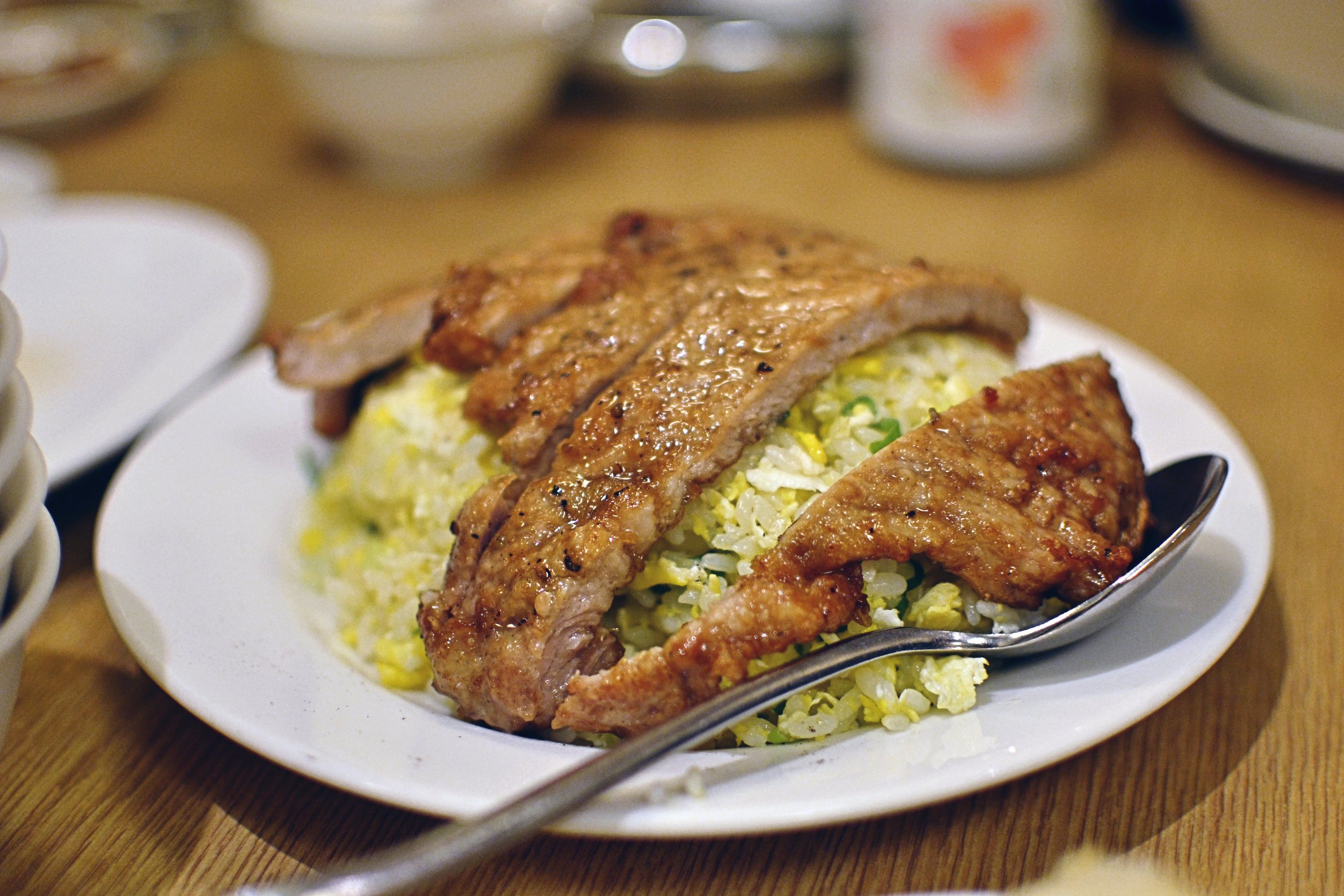
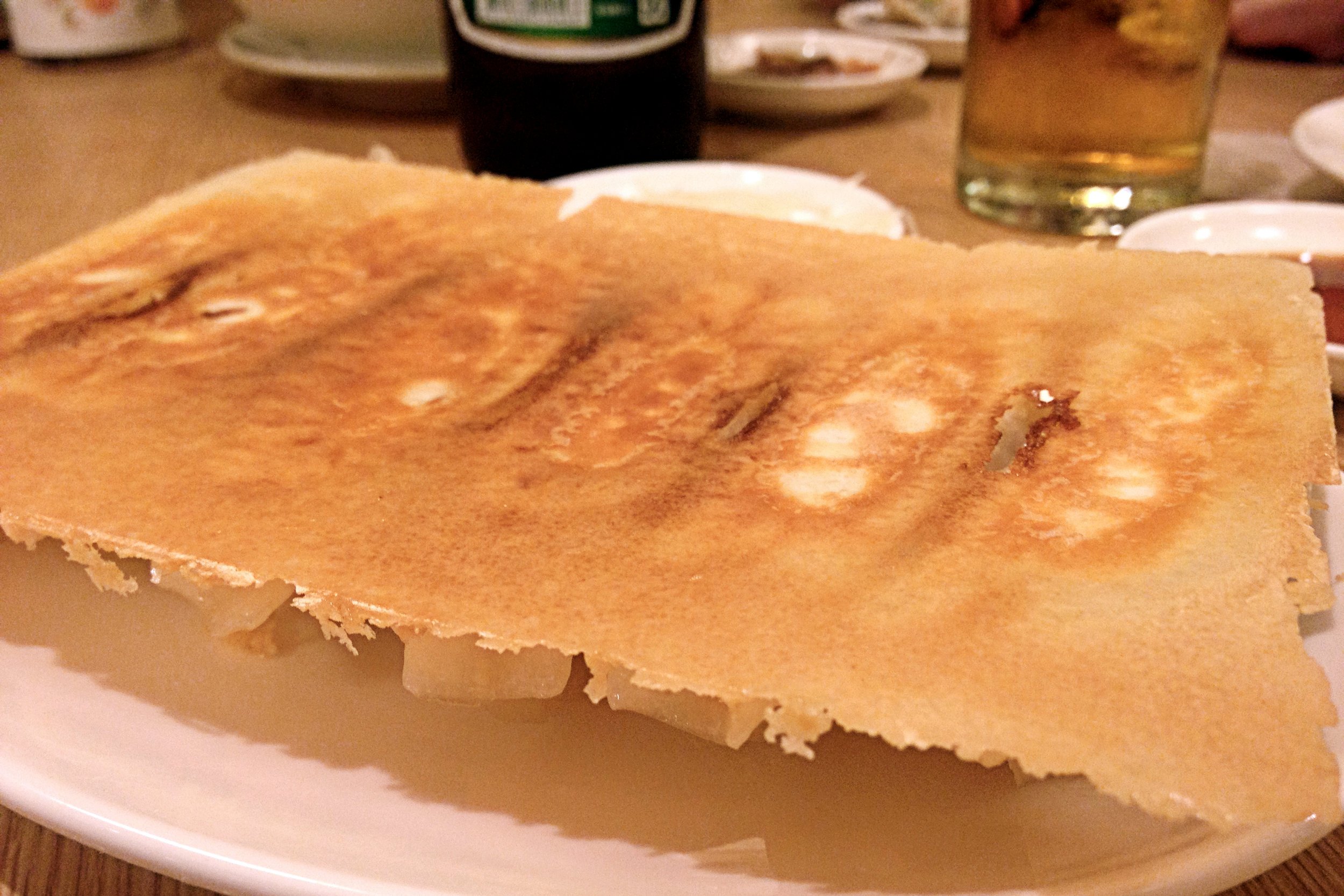
Chances are you’ll want to try out the world famous Din Tai Fung at its home location. Their main restaurant is in Xinyi, and it offers a few floors of dining, and staff that speak multiple languages.
While there may be a wait, it's a really well run operation. Their locations have both local and tourists dining in them, but it is worth noting that it’s considered to be a place to get xiaolongbao only on certain occasions.
At the end of the day, you can’t go wrong with Din Tai Fung.
Beef Noodle of the King
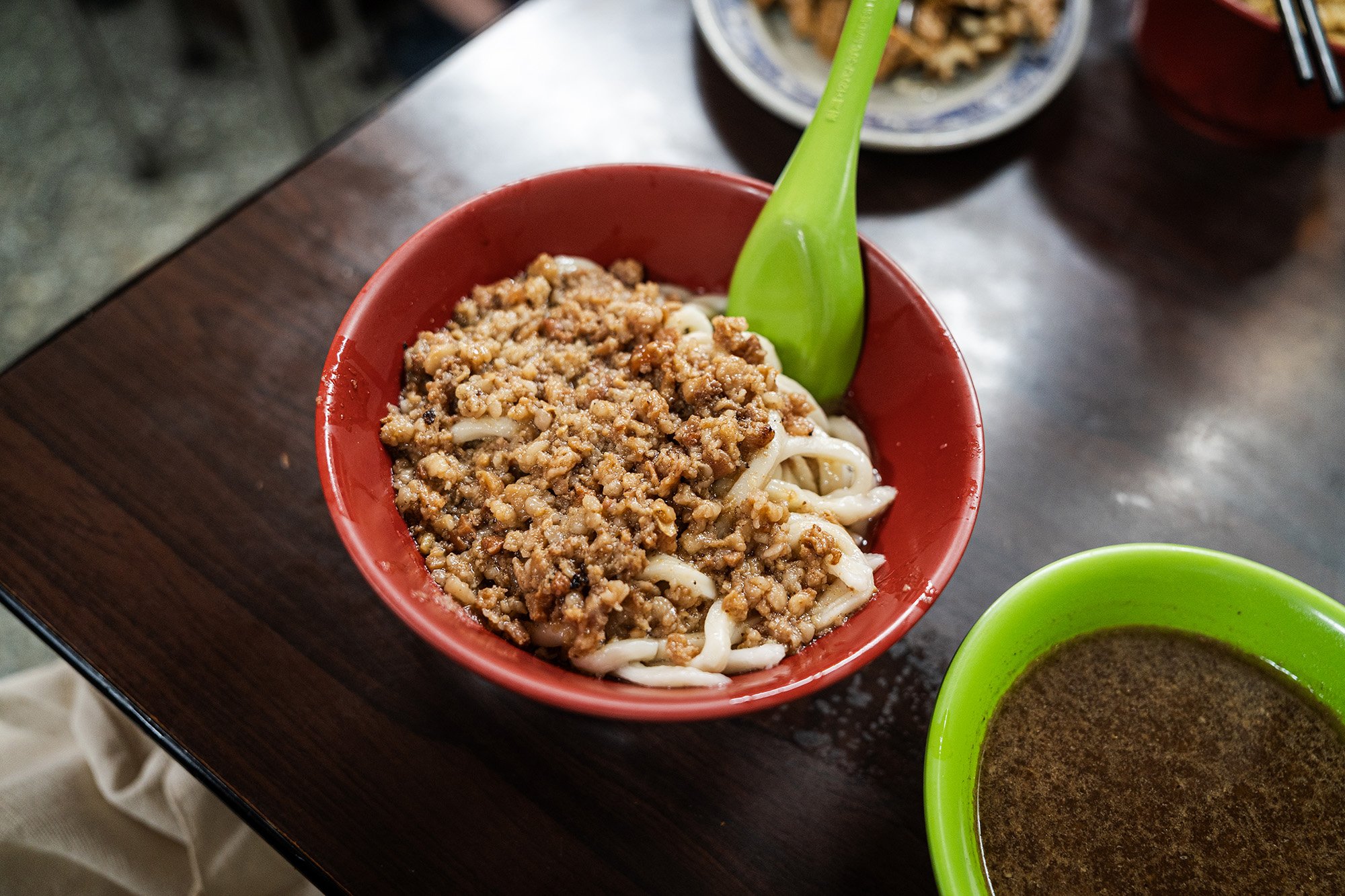
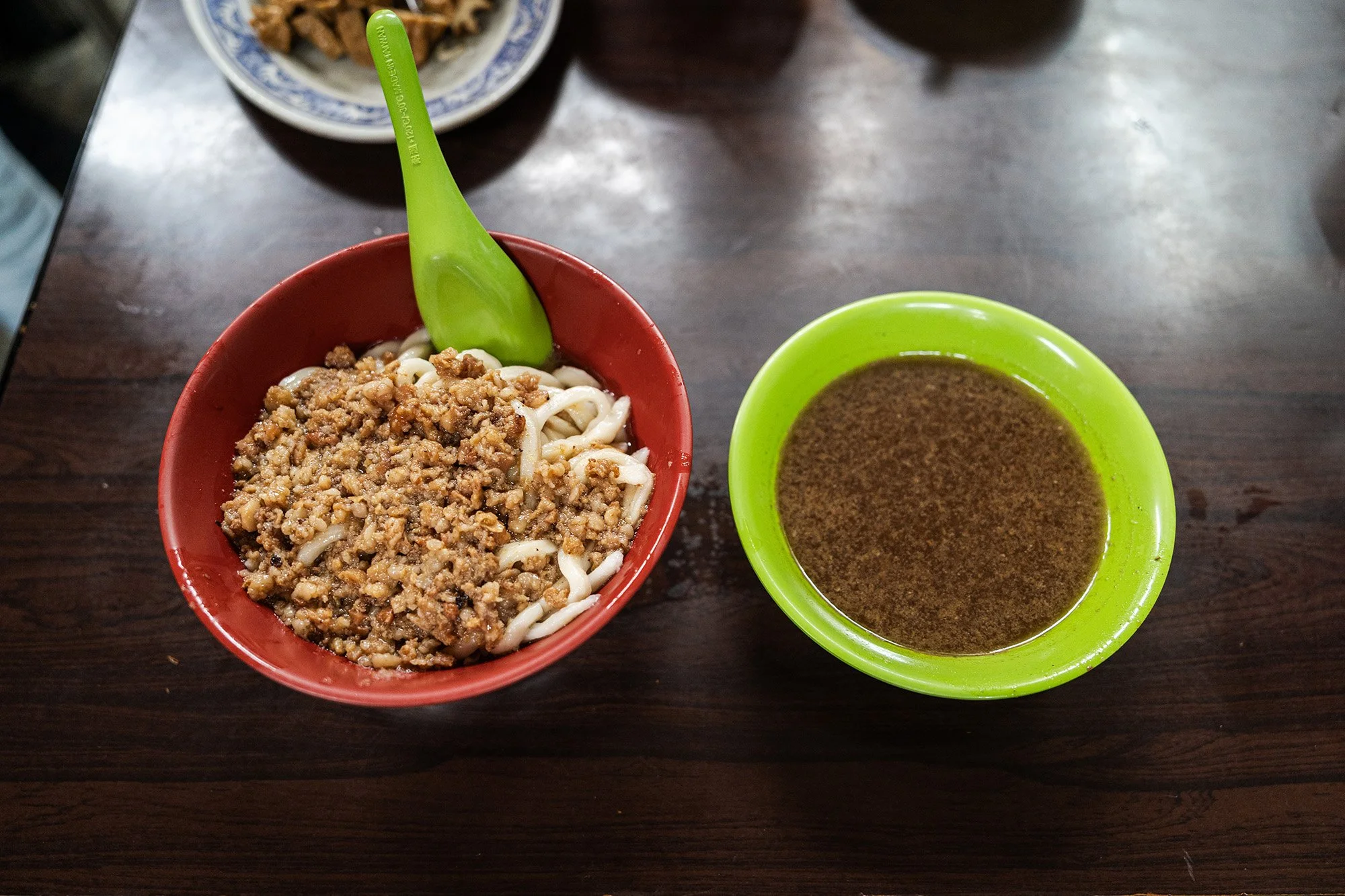
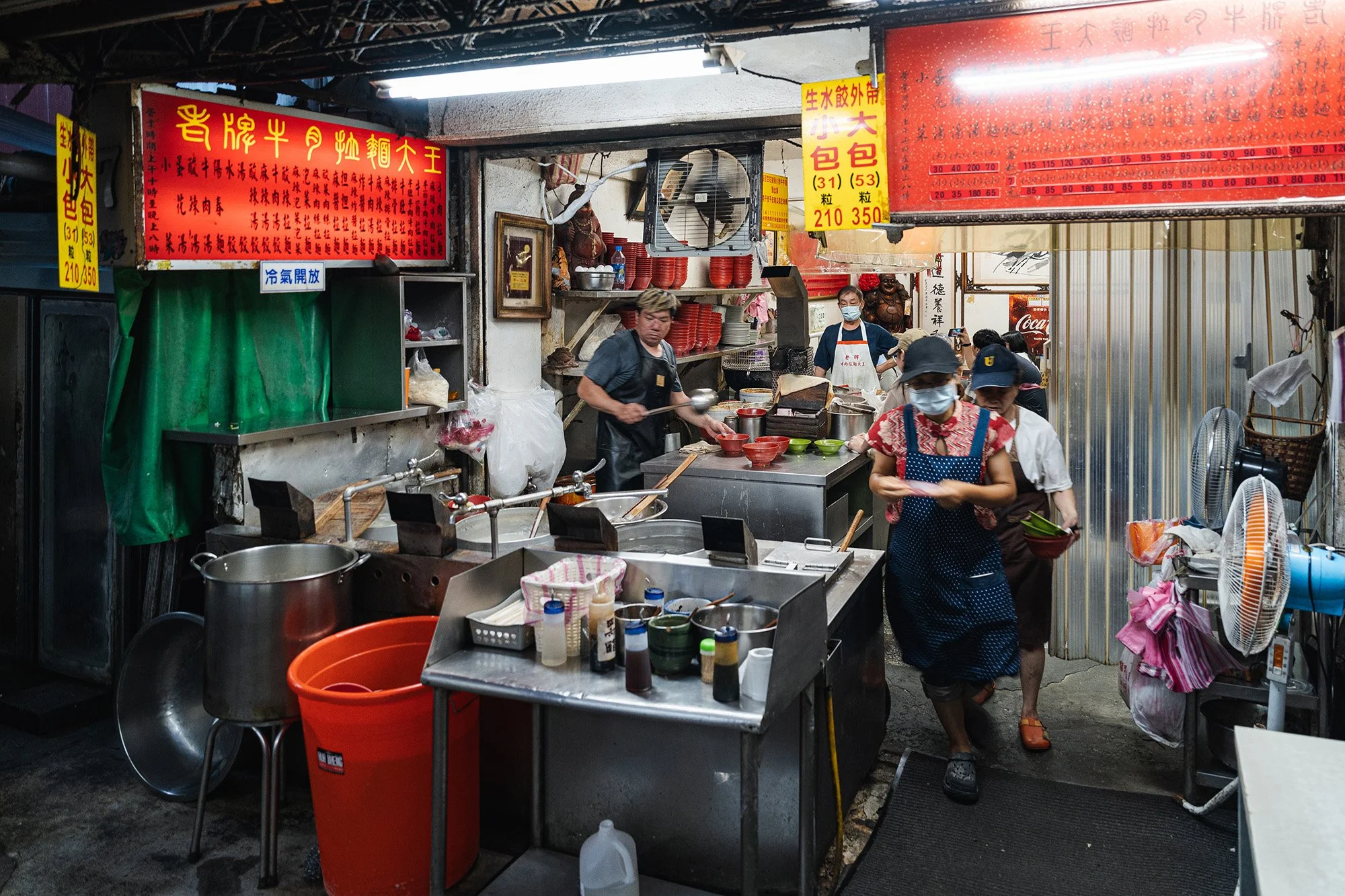
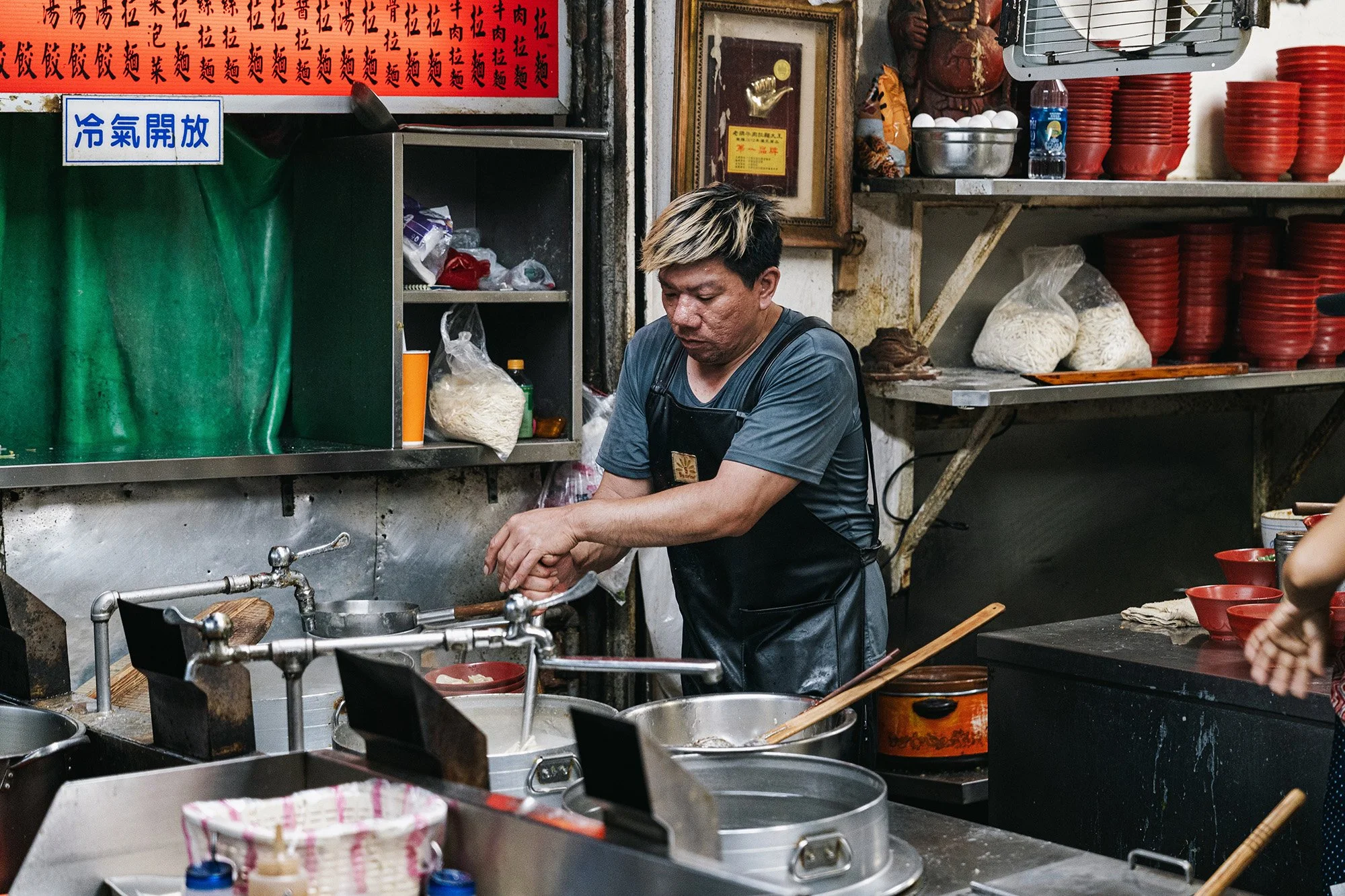
A bowl of soup-less noodles that’s quite the flavor bomb. Visually, it’s not much to look at, but it’s all in the taste.
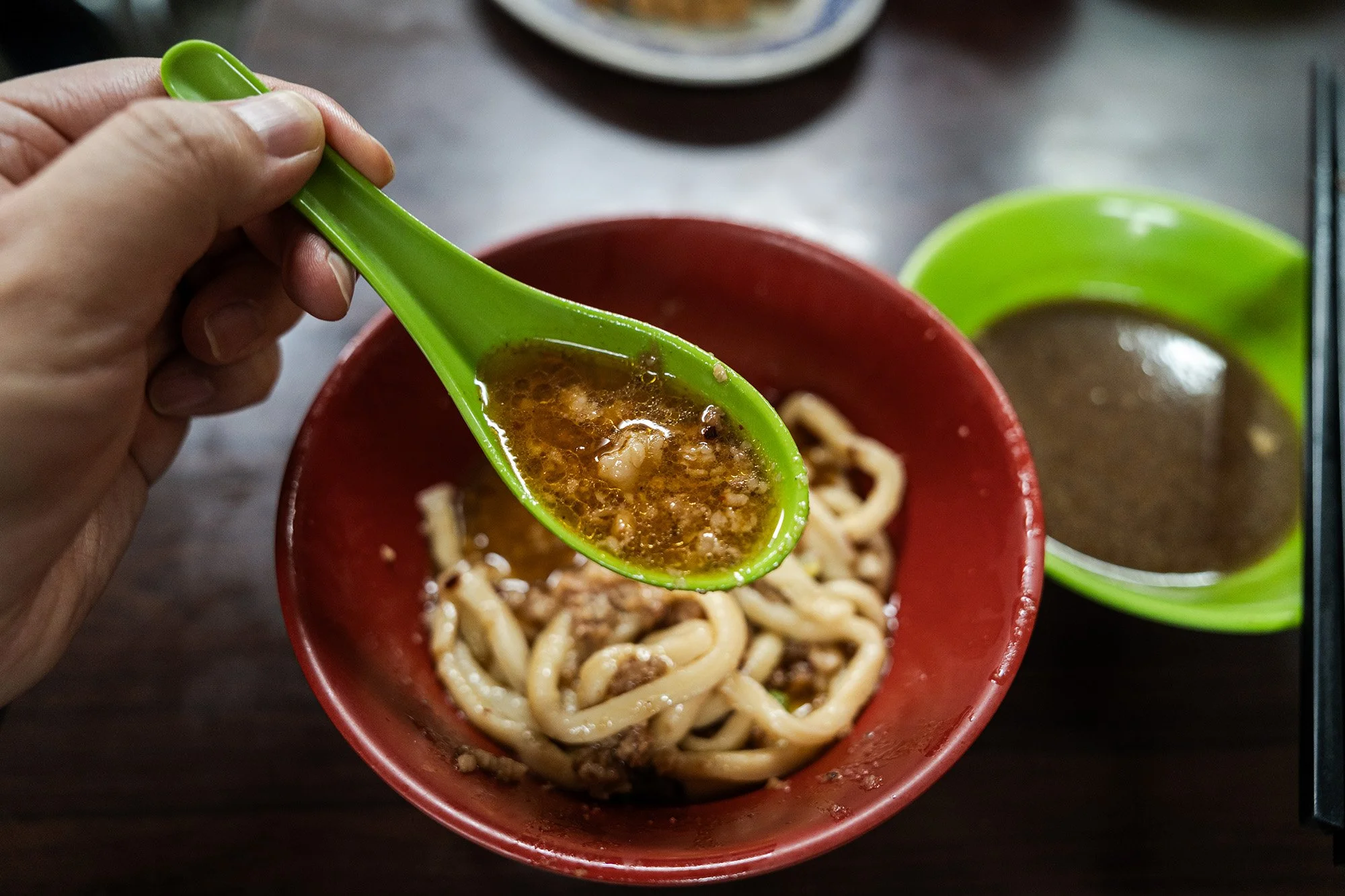
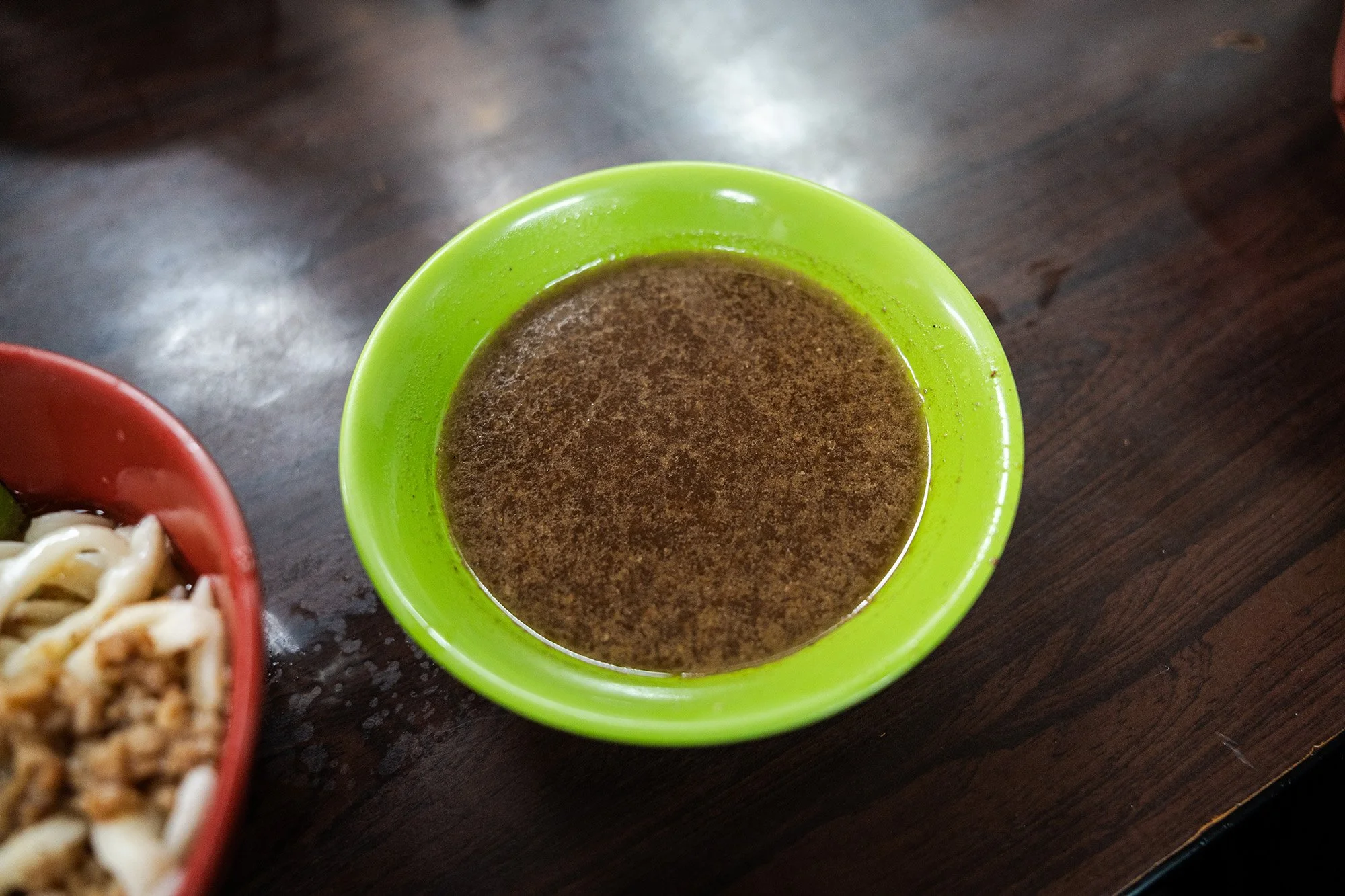
The zhajiangmian, or zhajiang noodles, is a bowl of hand-pulled noodles that are similar to udon, topped with minced pork. It’s garlicky and savory, packing a lot of strong flavor that’s not as typical in Taiwan. The same goes for their pork broth soup - addicting.
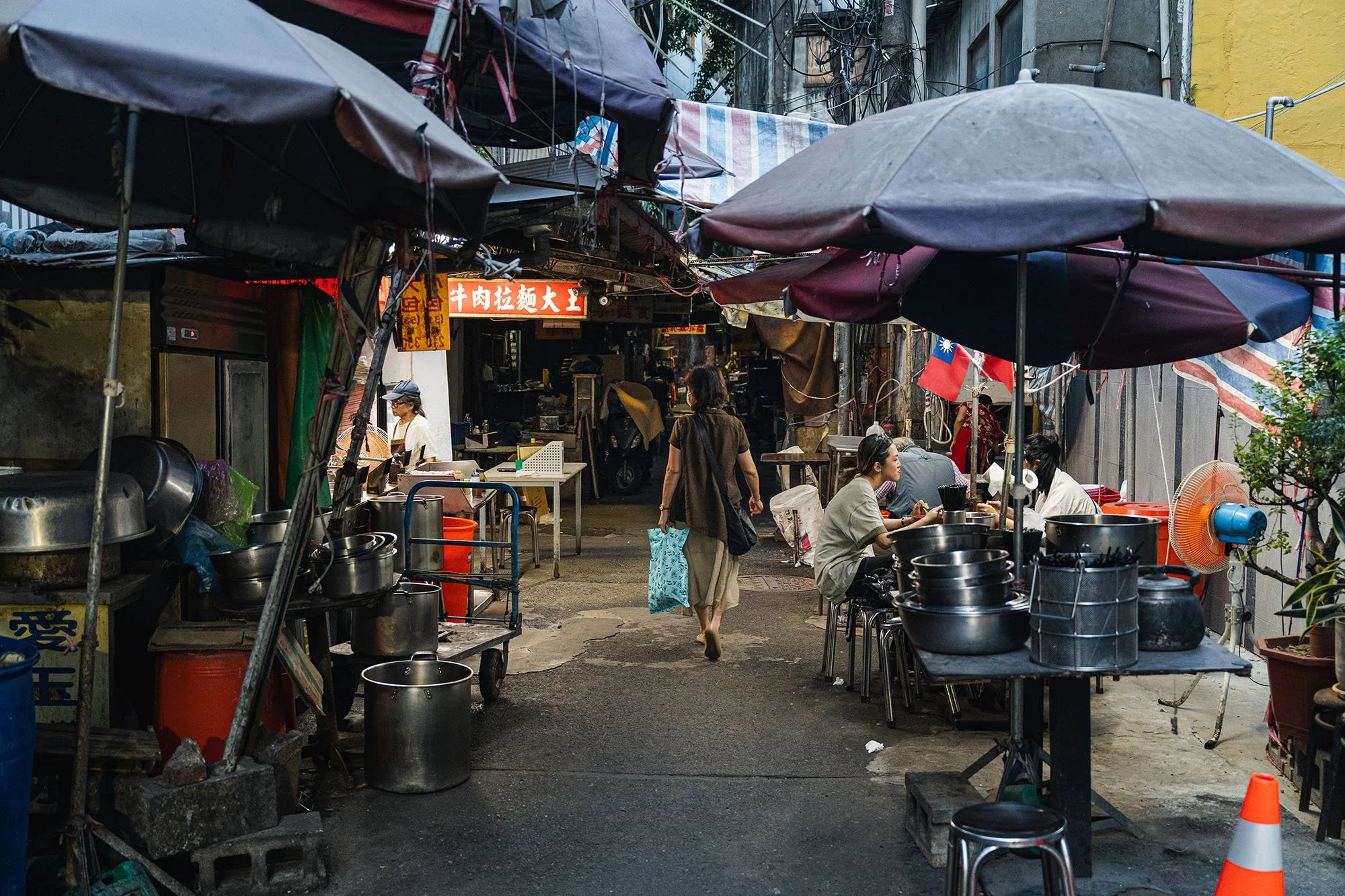
The shop is located in an alley in the Chengzhong Market area near Ximen, and is very casual. It’s cash-only and you may share a table with others, but it’s an excellent meal.
Simple Kaffa
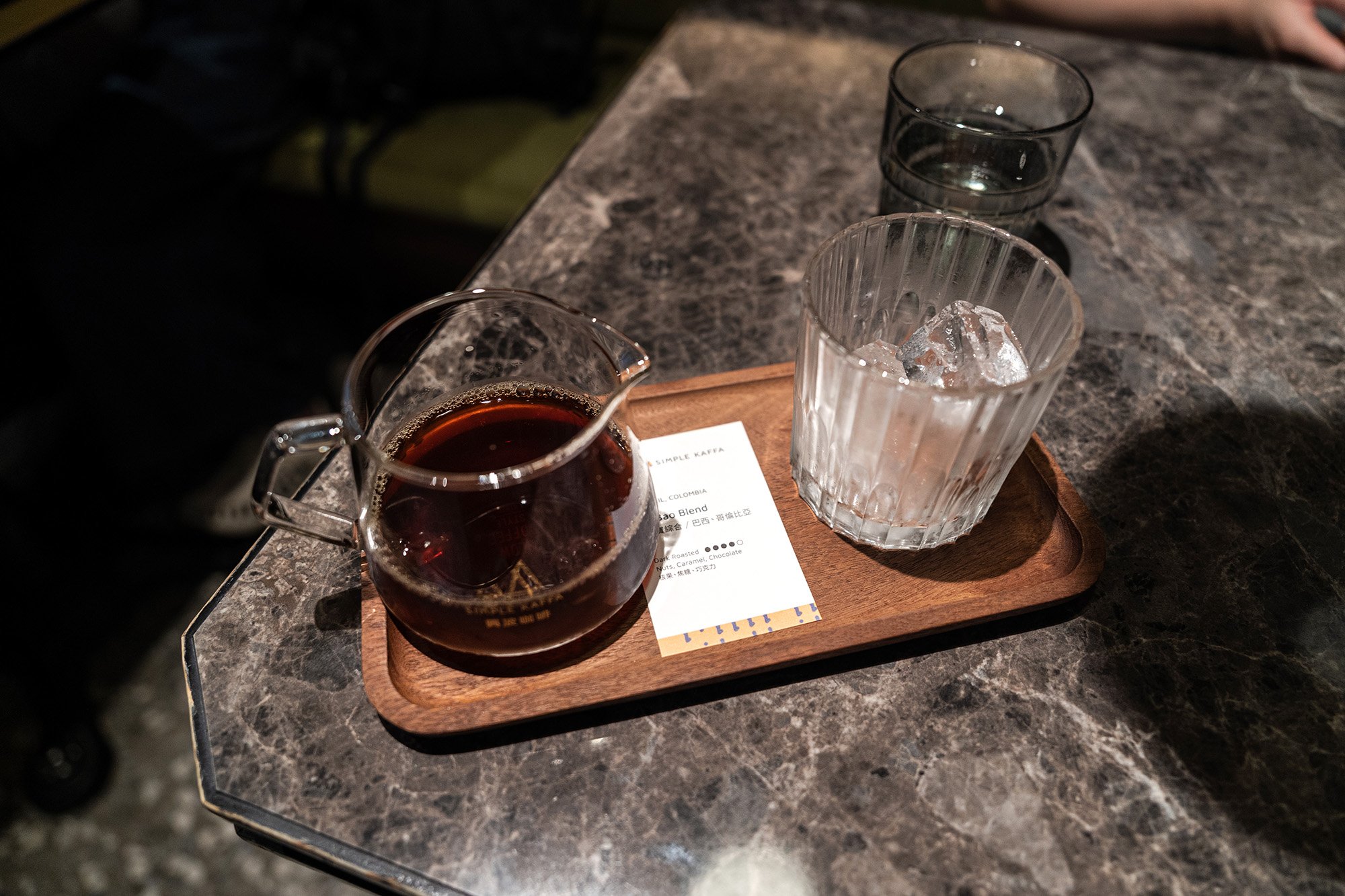
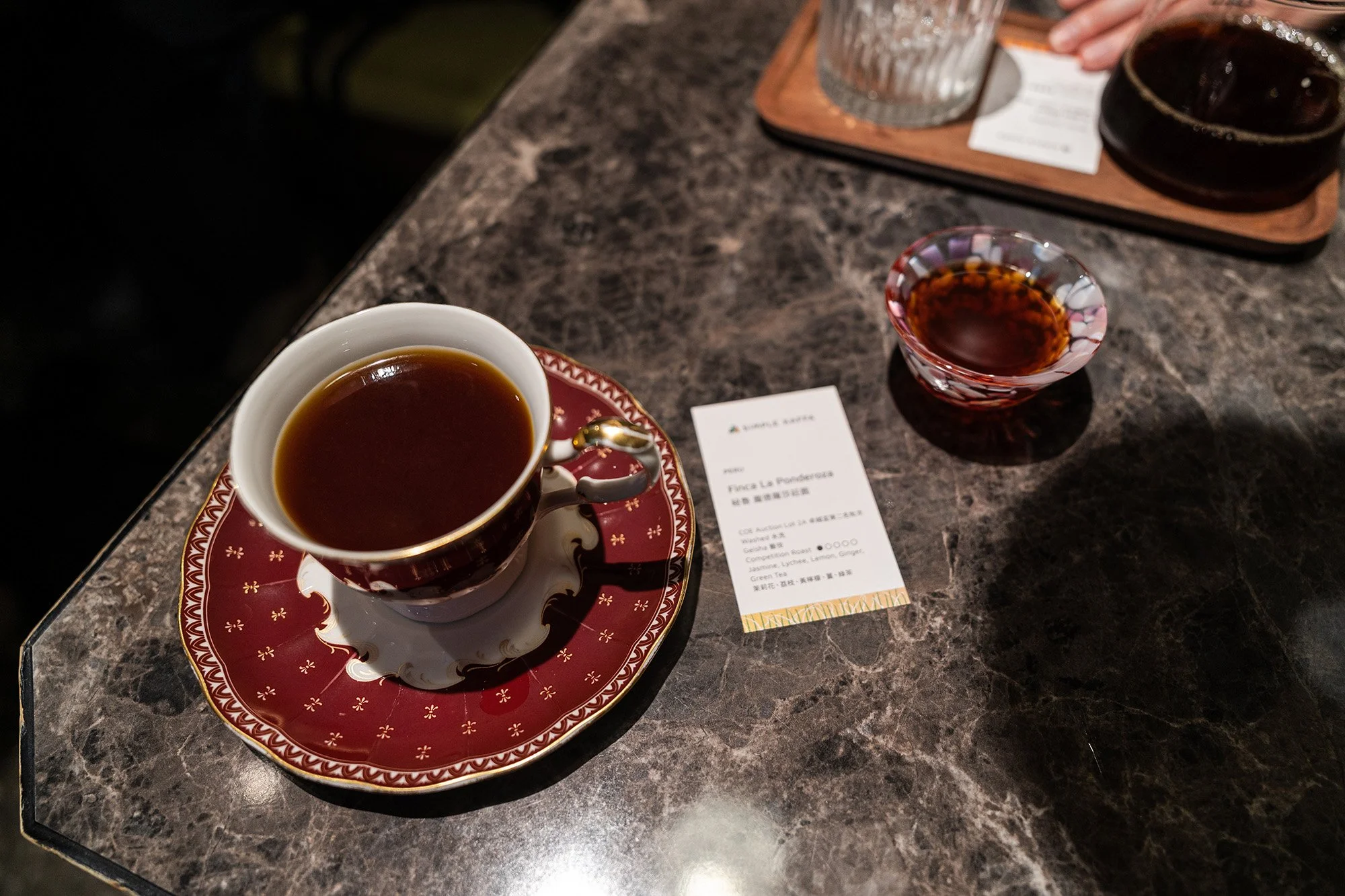
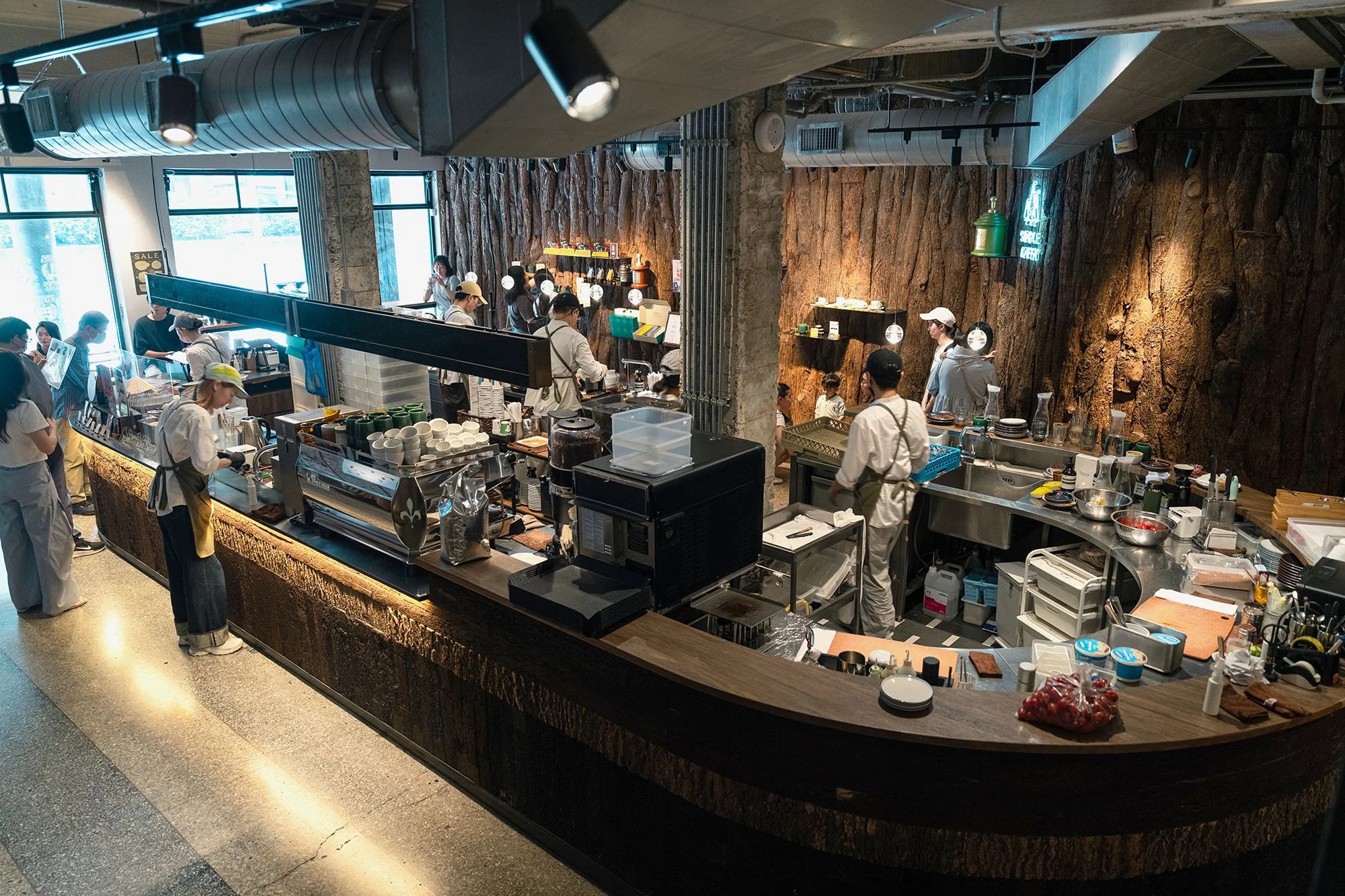
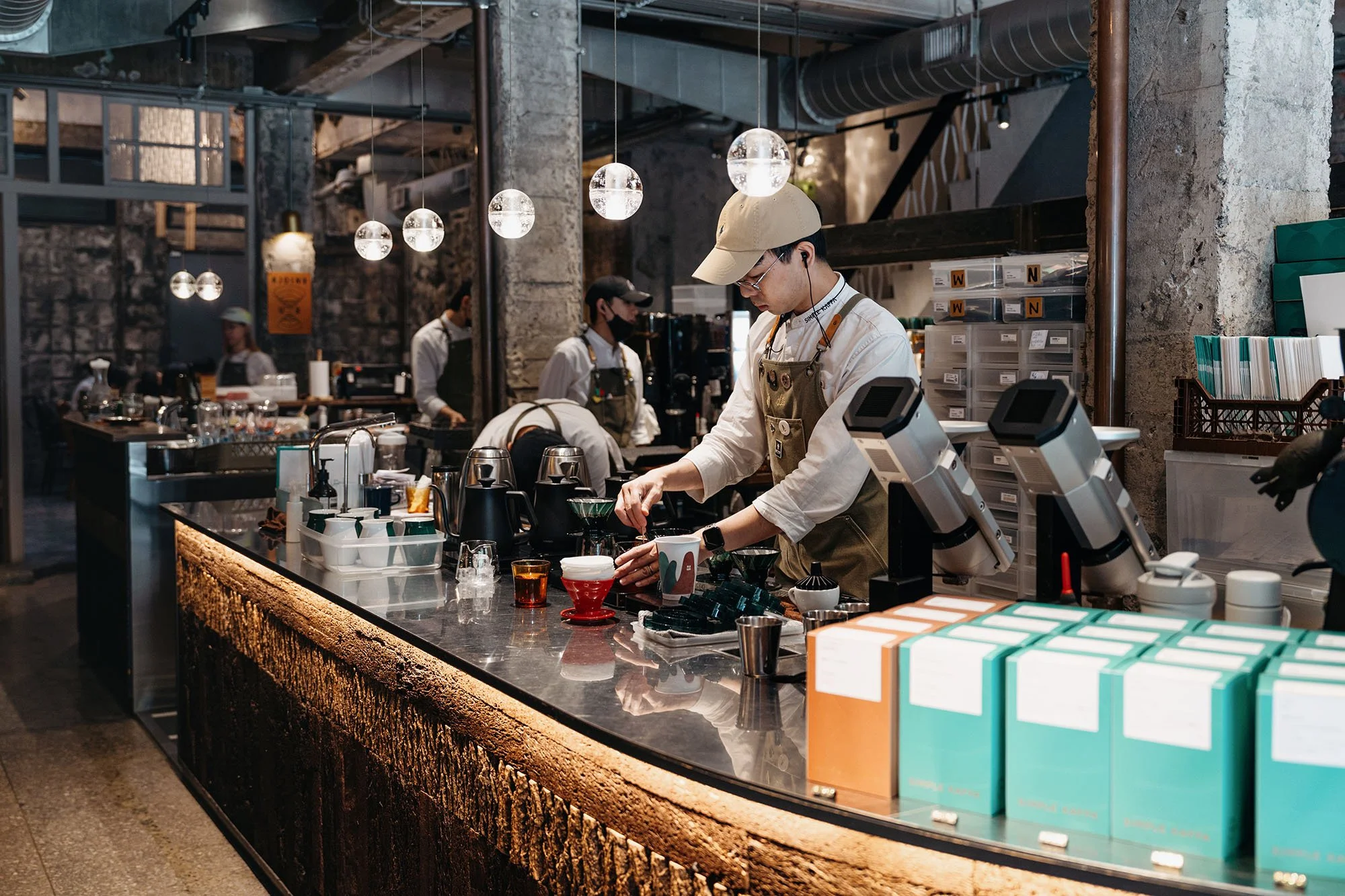
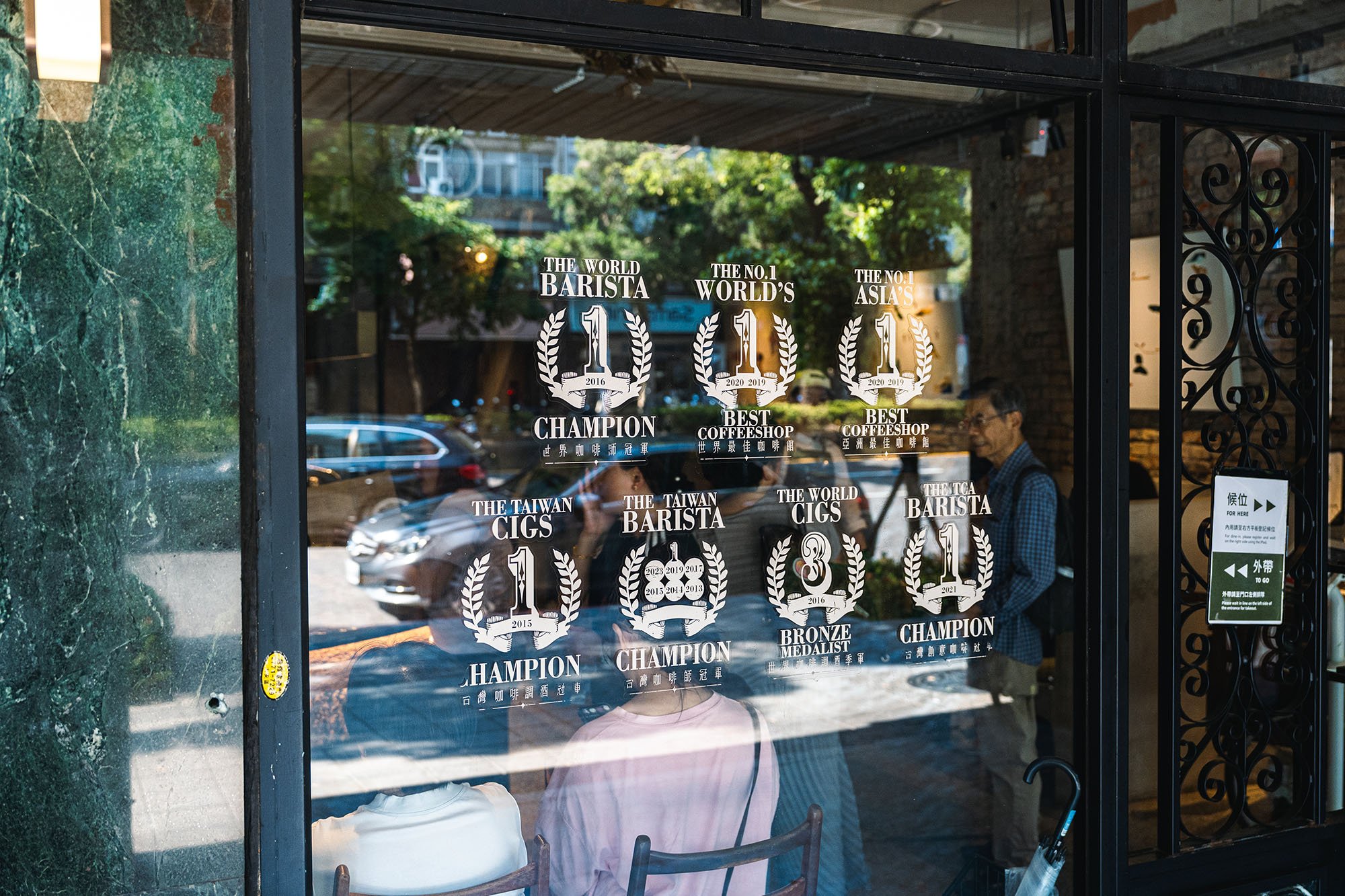
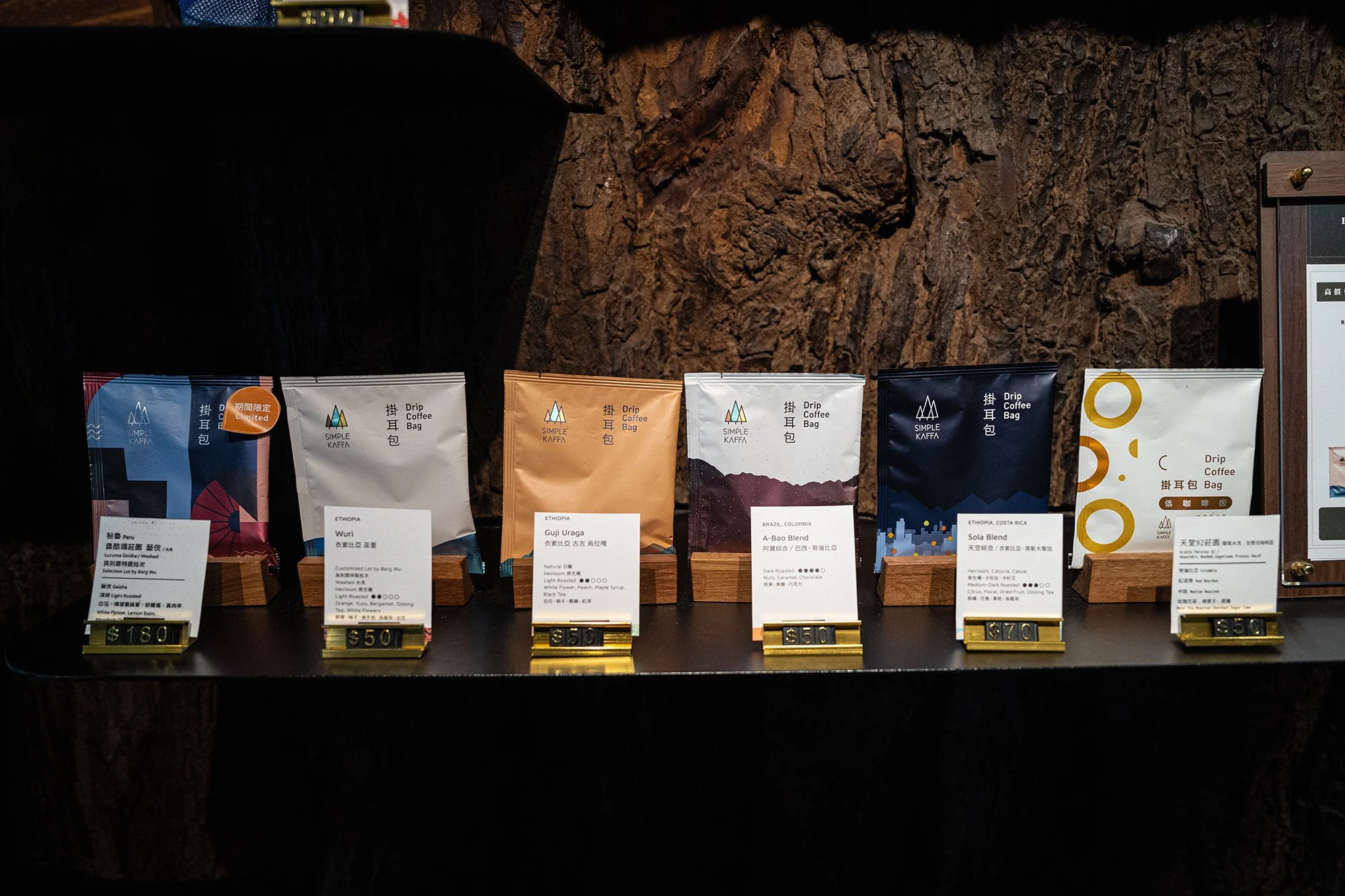
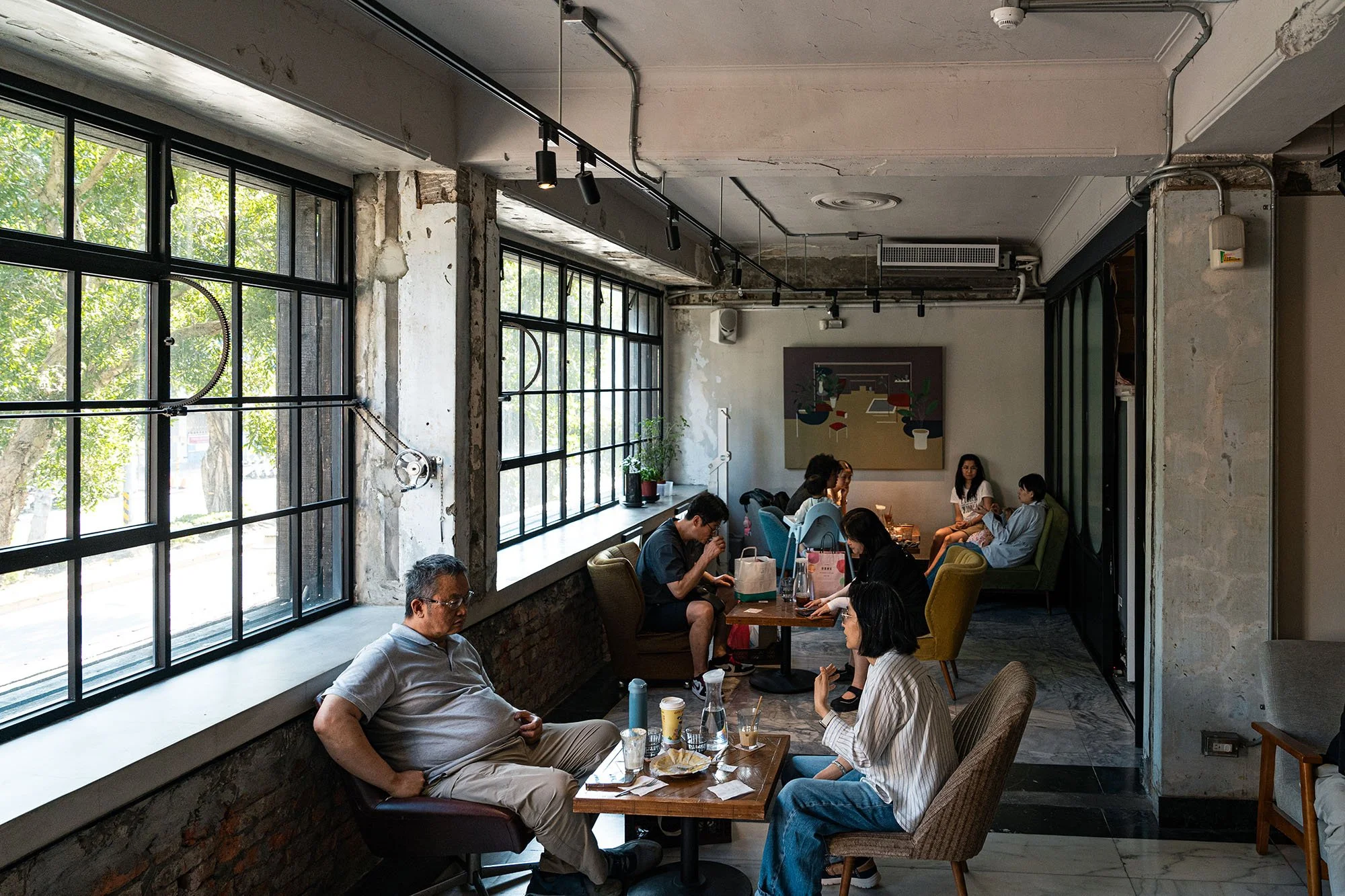
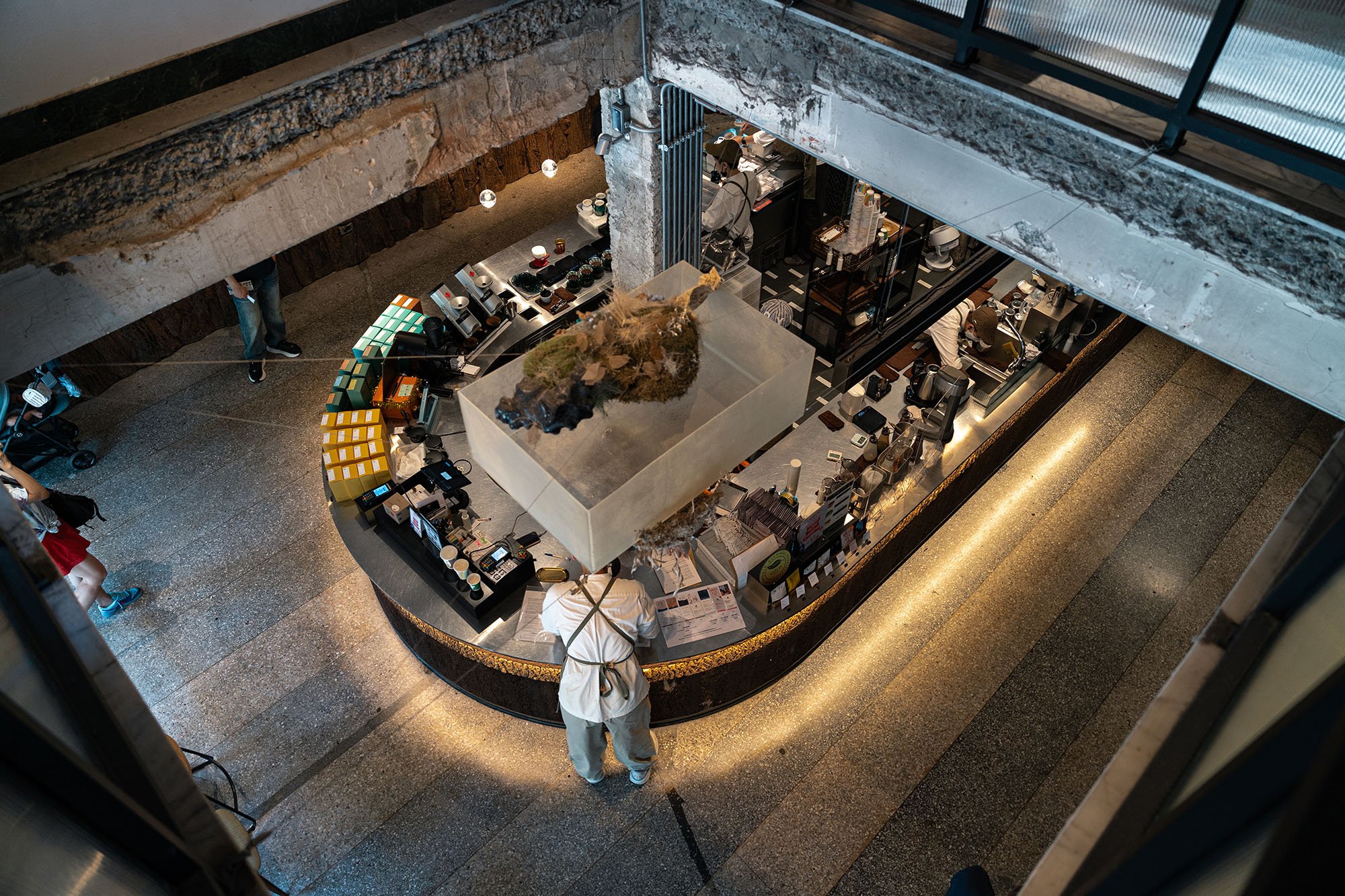
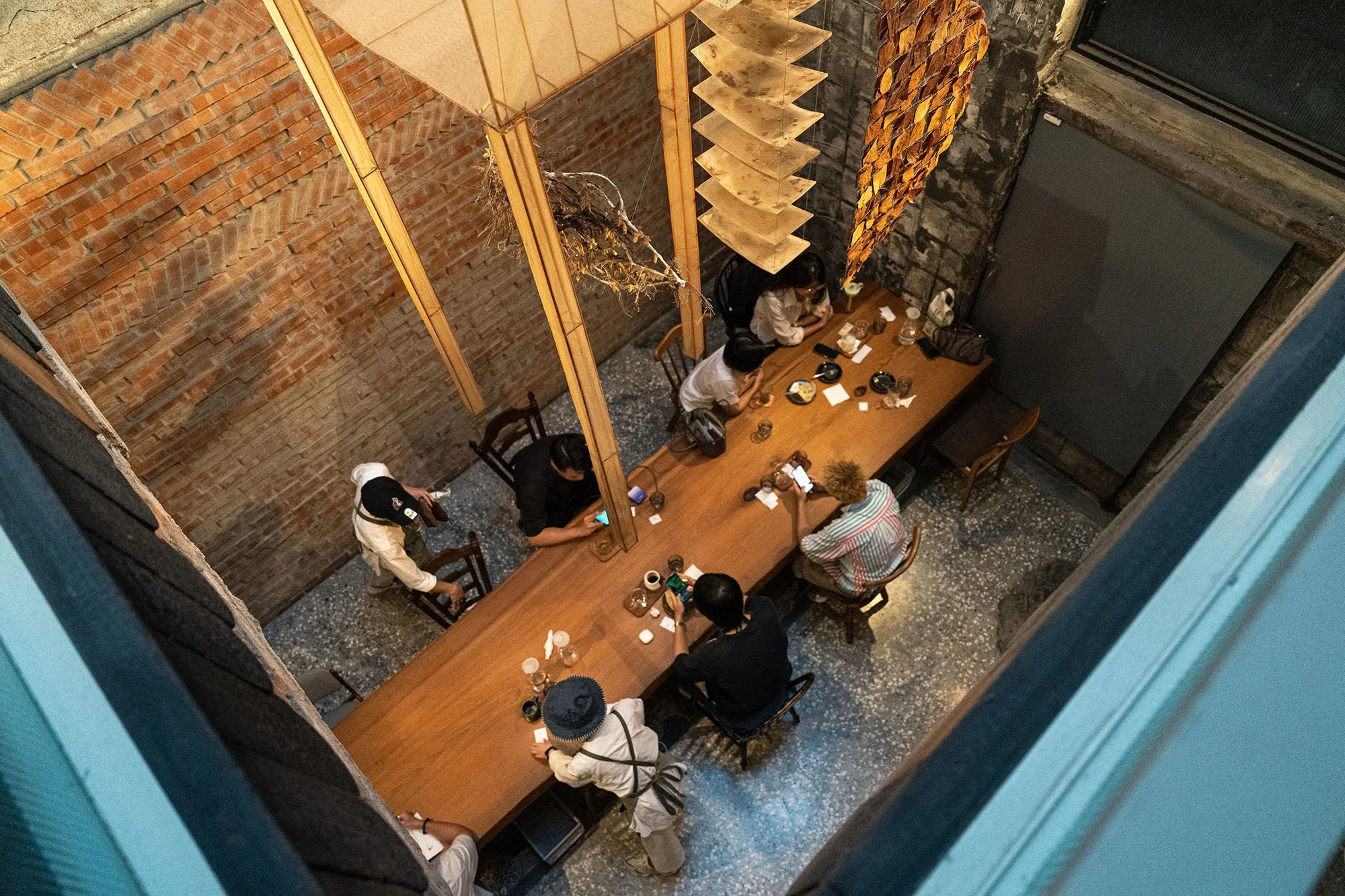
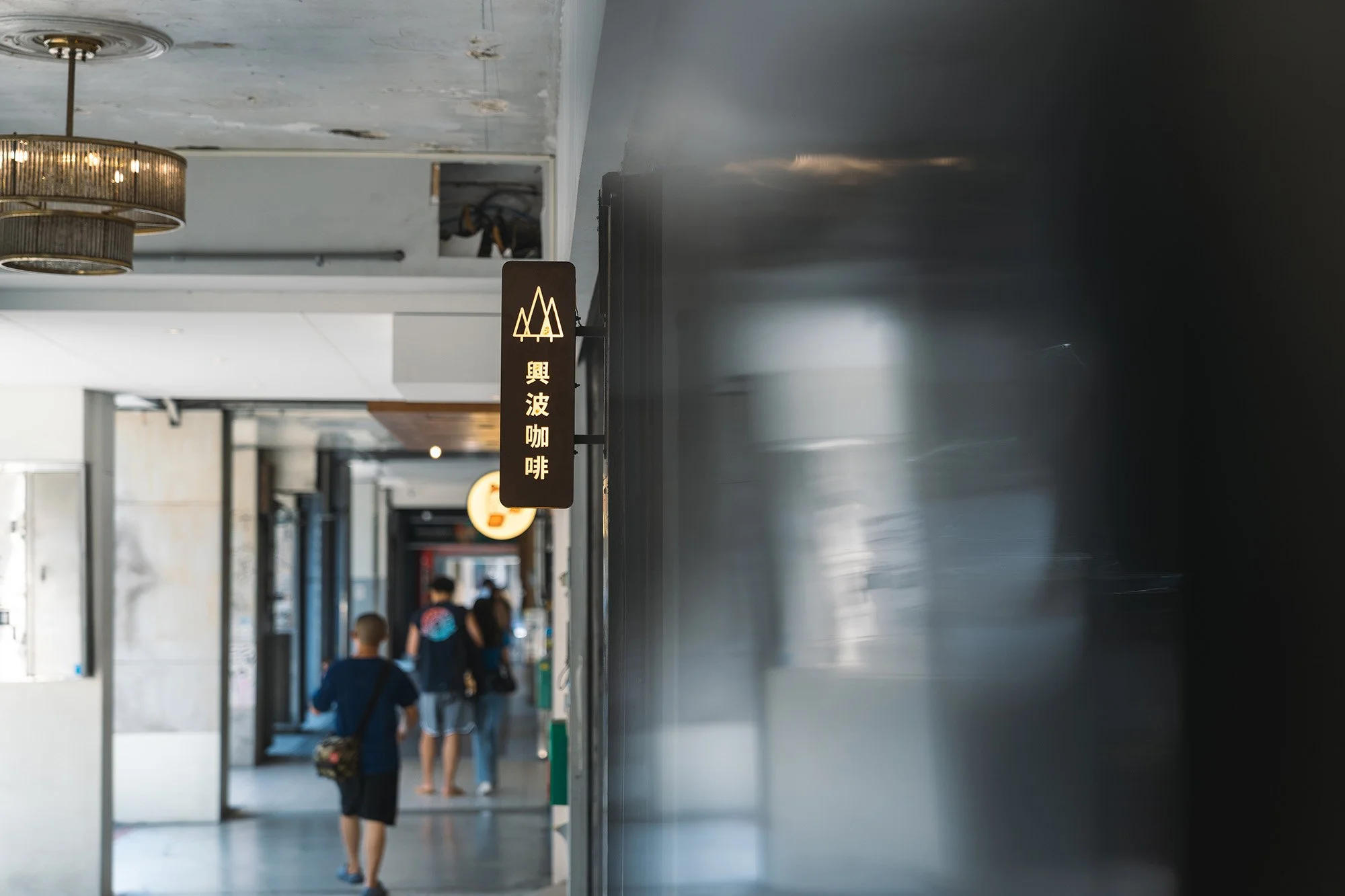
One of Taipei’s iconic cafes, Simple Kaffa has often been recognized globally numerous times, even being ranked first in the world in 2019 by Big 7 Travel. Founded by the 2016 World Barista Champion, the cafe serves everything from simple cups to high-end, competition-level roasts.
Their branding is fantastic and everything feels upscale from the moment the hostess greets you at the entrance. We went to their main location near the Huashan 1914 Creative Park, a gutted, old building that has been renovated beautifully.
If you’re a third wave coffee fan or are just looking for a good cafe to try some interesting blends and brews, this would be one of your best bets.
Wu Hu Doujiang (Five Lakes Soy Milk)
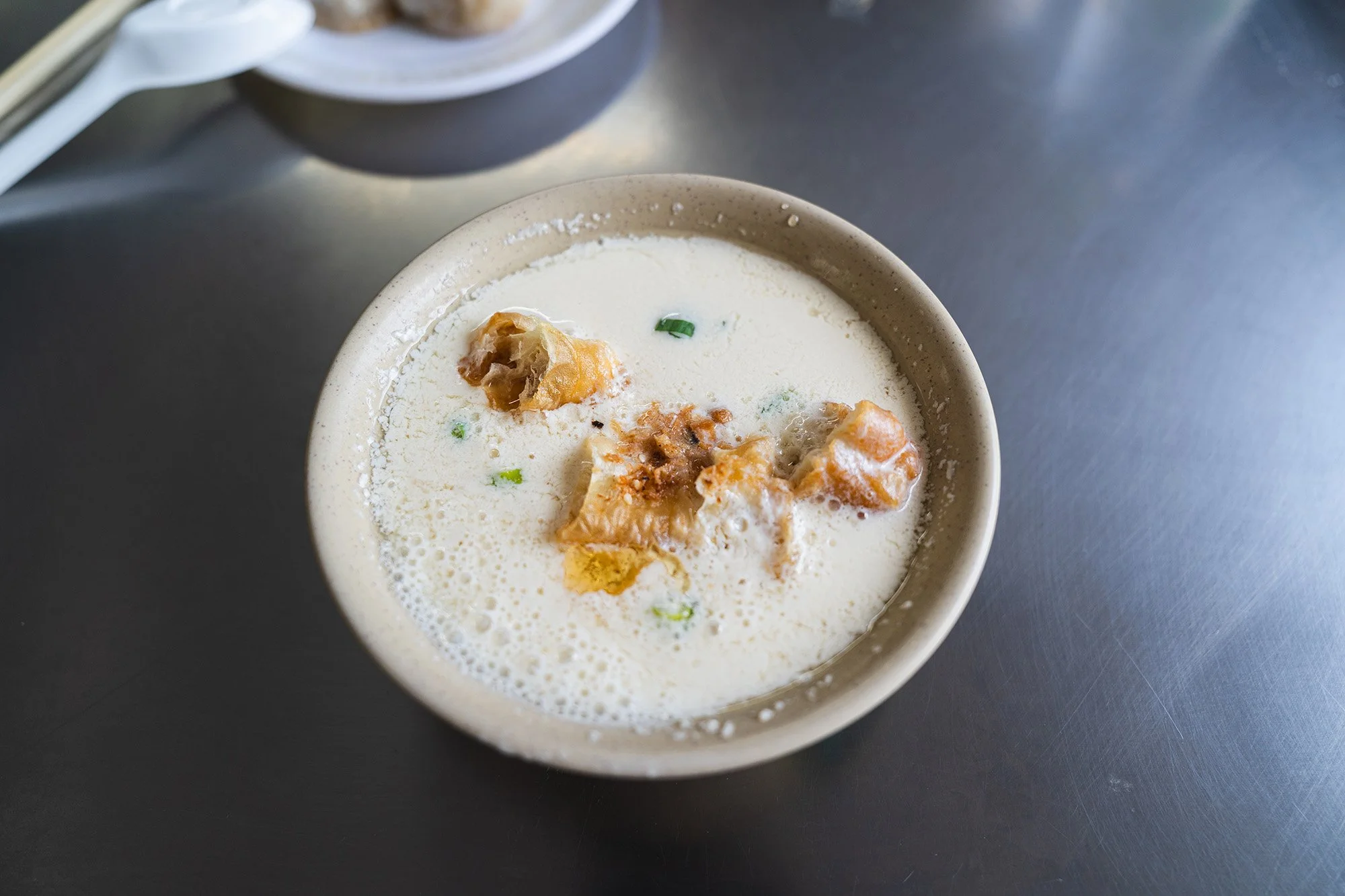
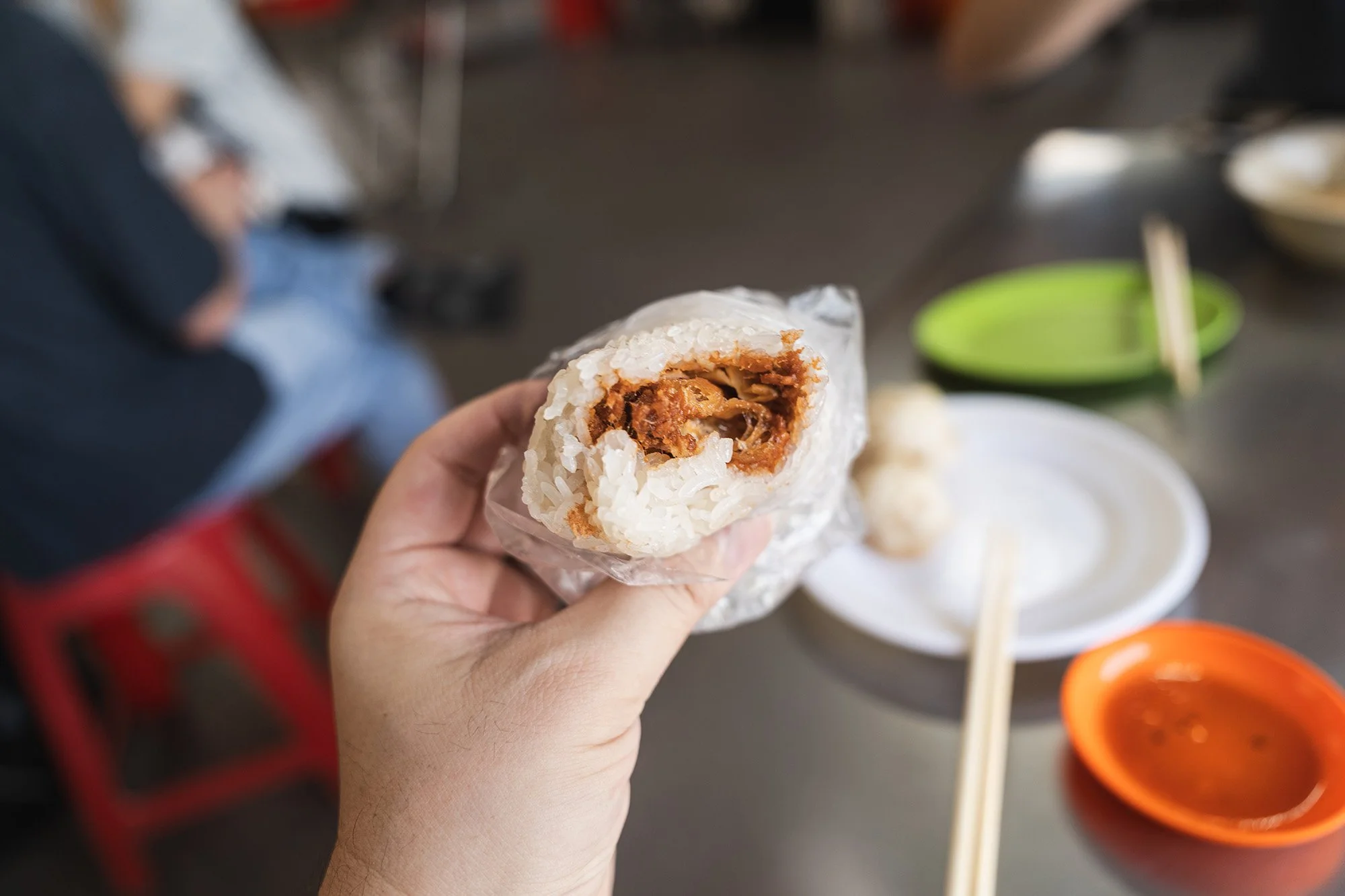
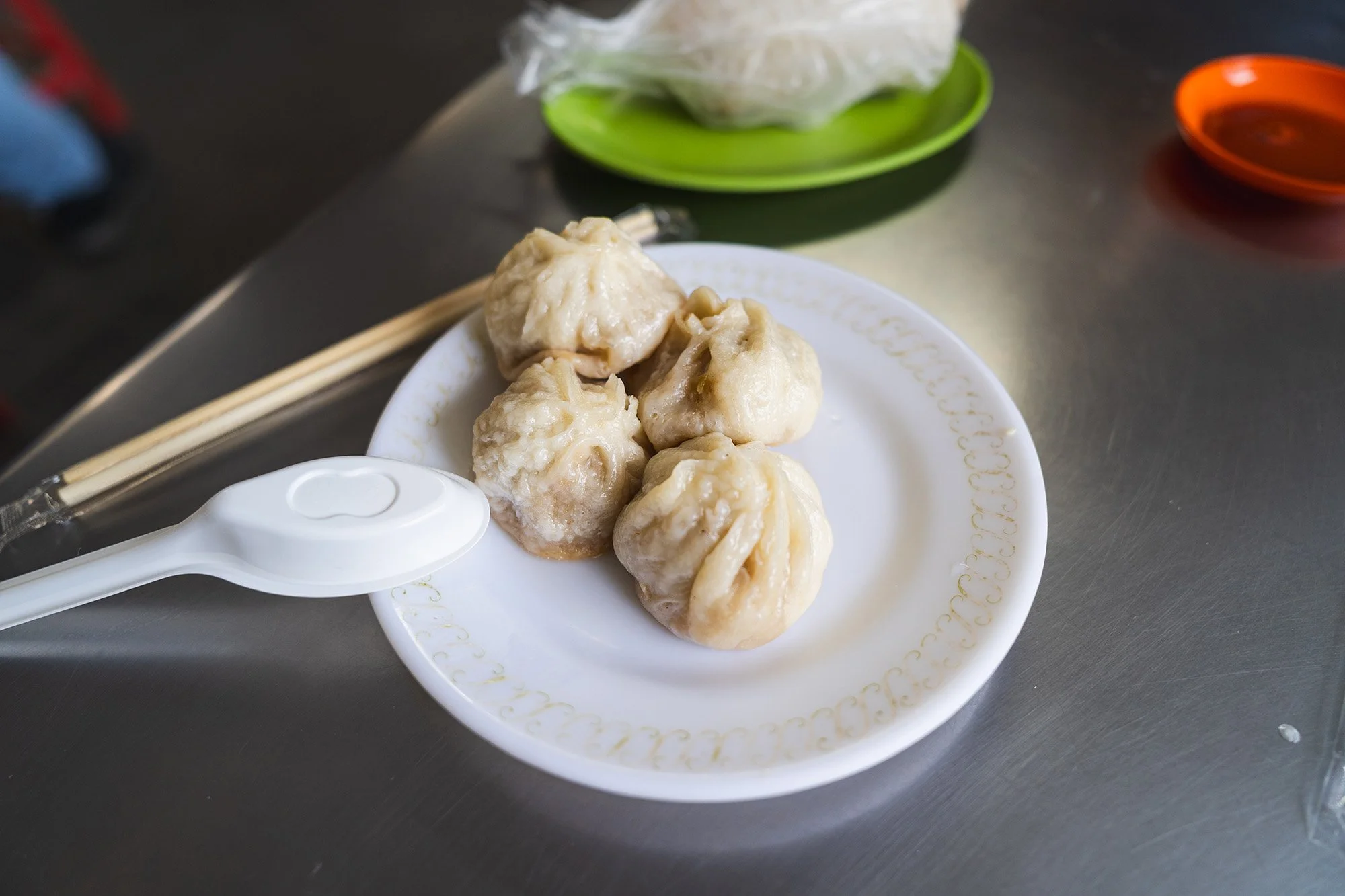
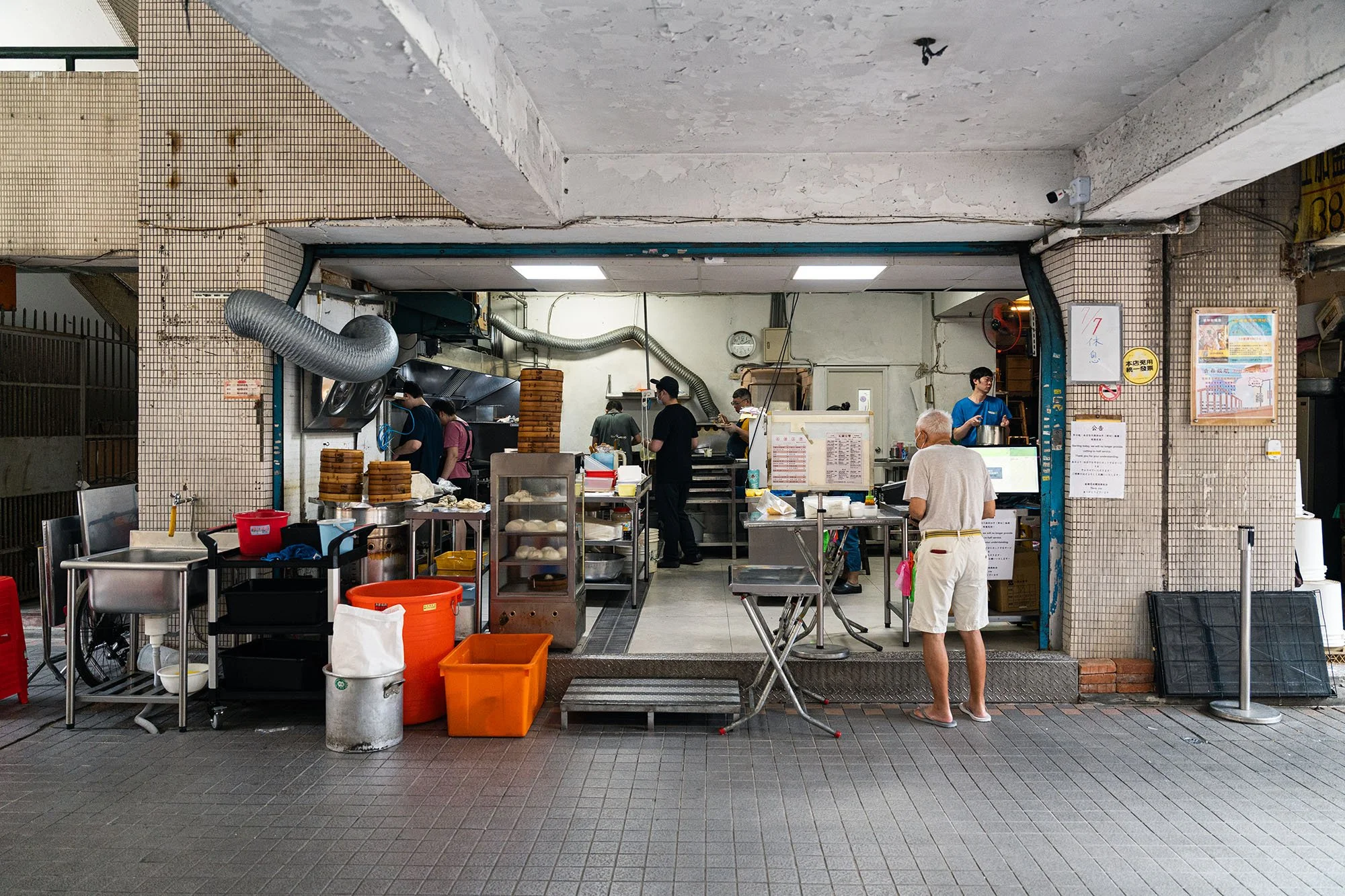
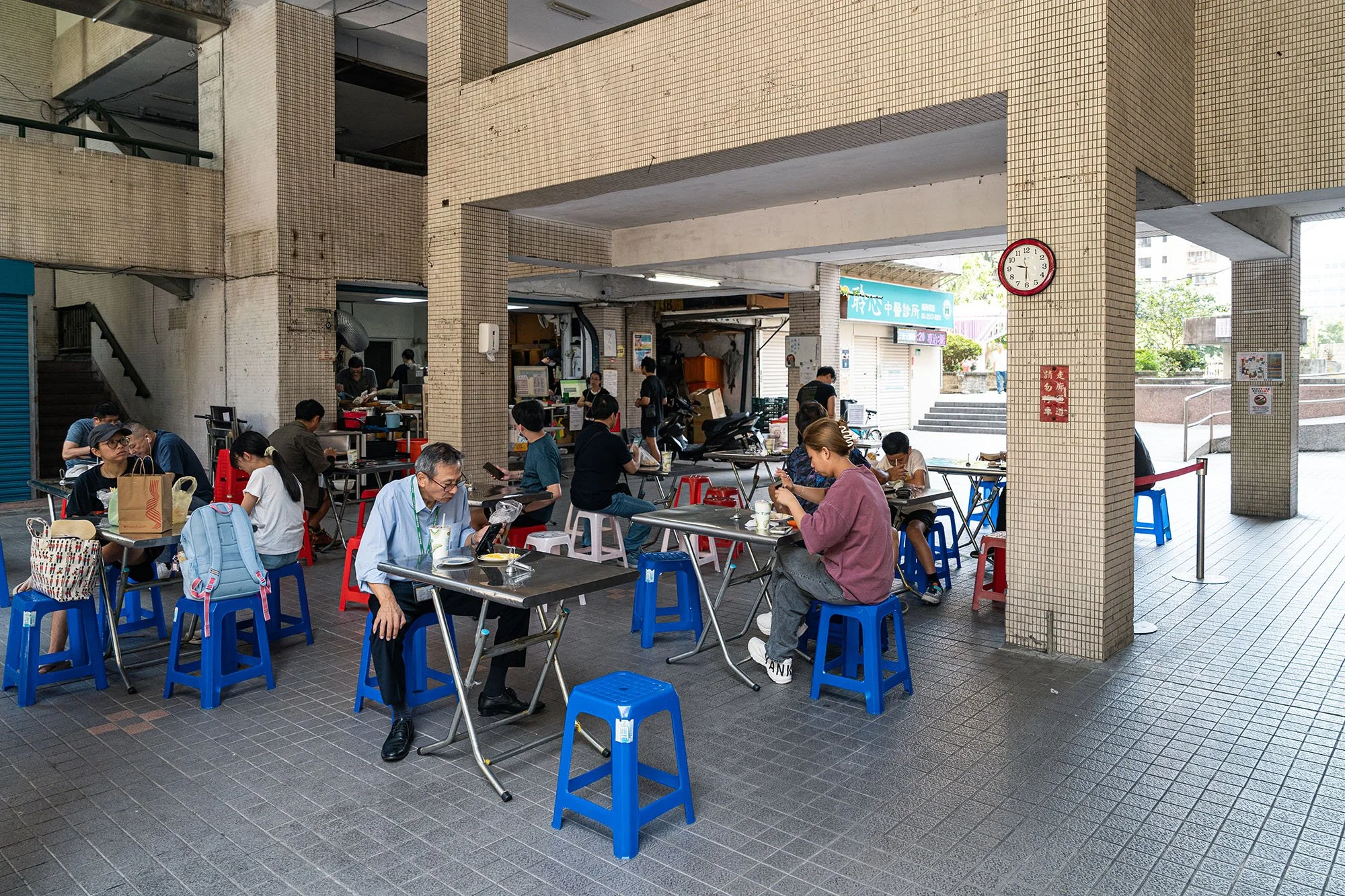
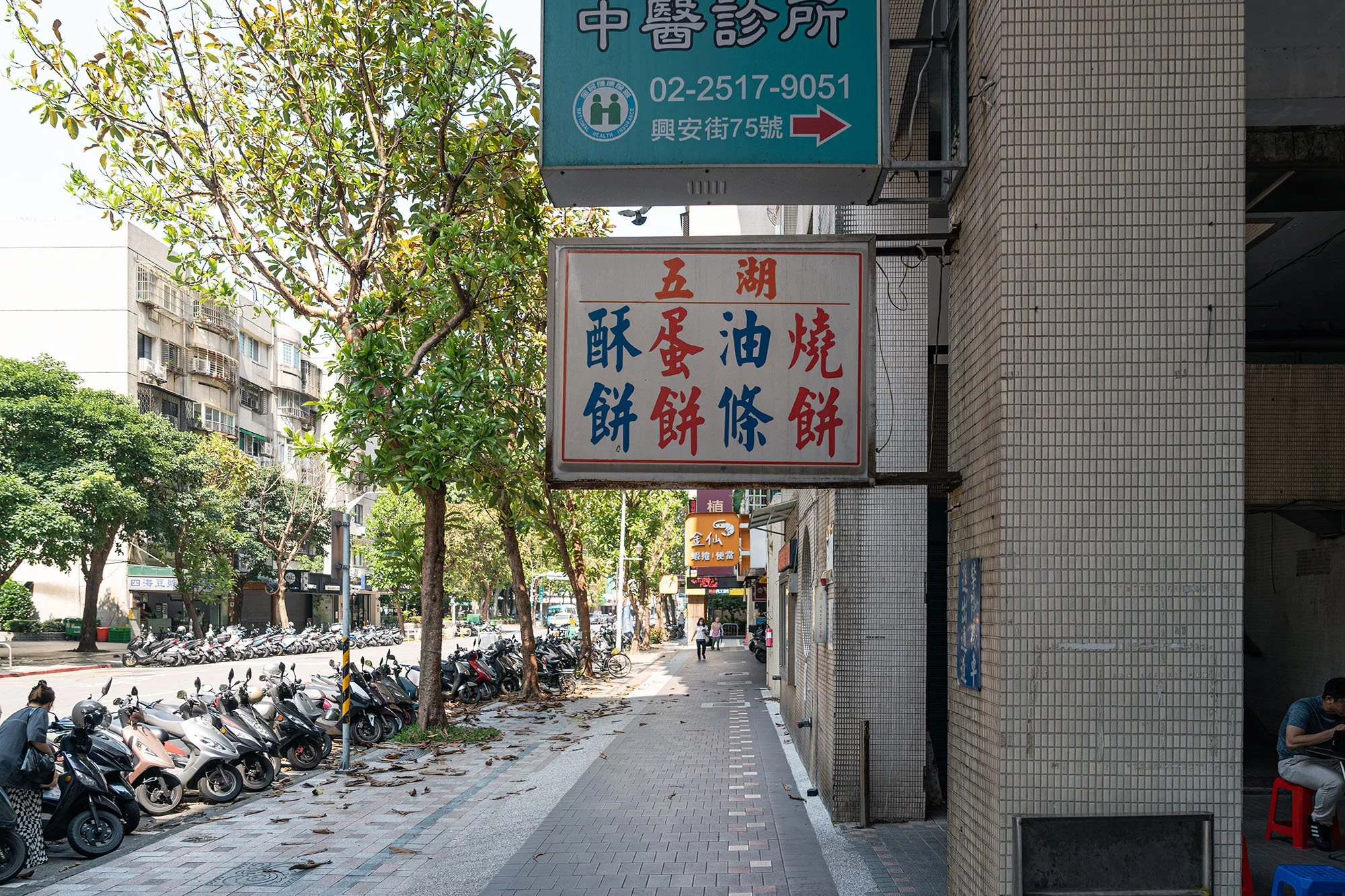
If you’re looking for an authentic Taiwanese breakfast, Wu Hu Doujiang (Five Lakes Soy Milk) is a good choice if you’re nearby. Located in an open area under a building on street level, this shop specializes in soy milk.
Their savory soy milk, which was a bowl of silky, custardy tofu was a lot more flavorful than I imagined, almost like a soup. Their rice balls had a great texture and familiar flavor to them, and their thick-skinned xiaolongbao were tasty.
It is cash-only and very local, but there’s a menu with English and pictures which is helpful. Definitely a great way to start the day.
Tang Bao Hung
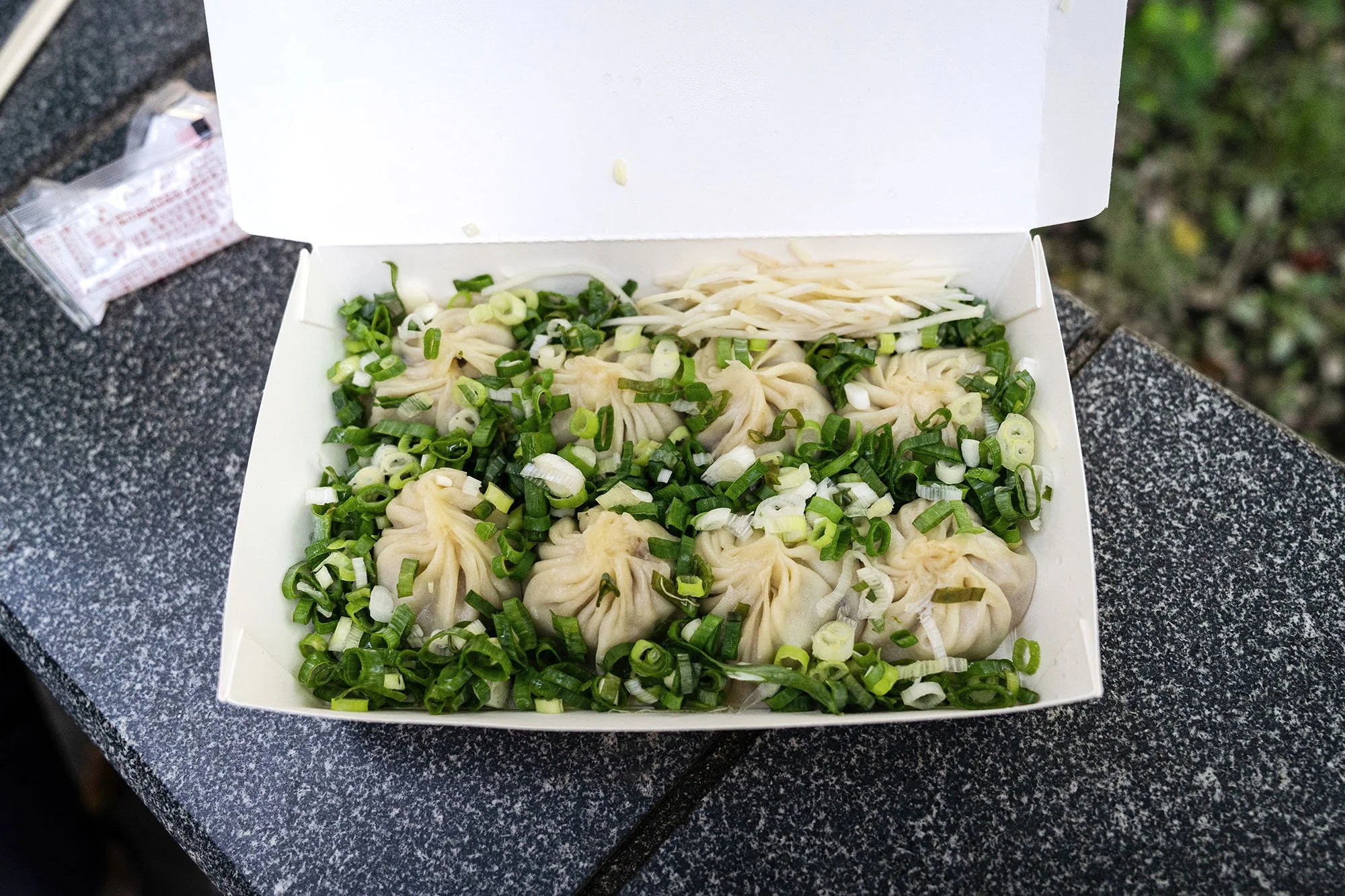
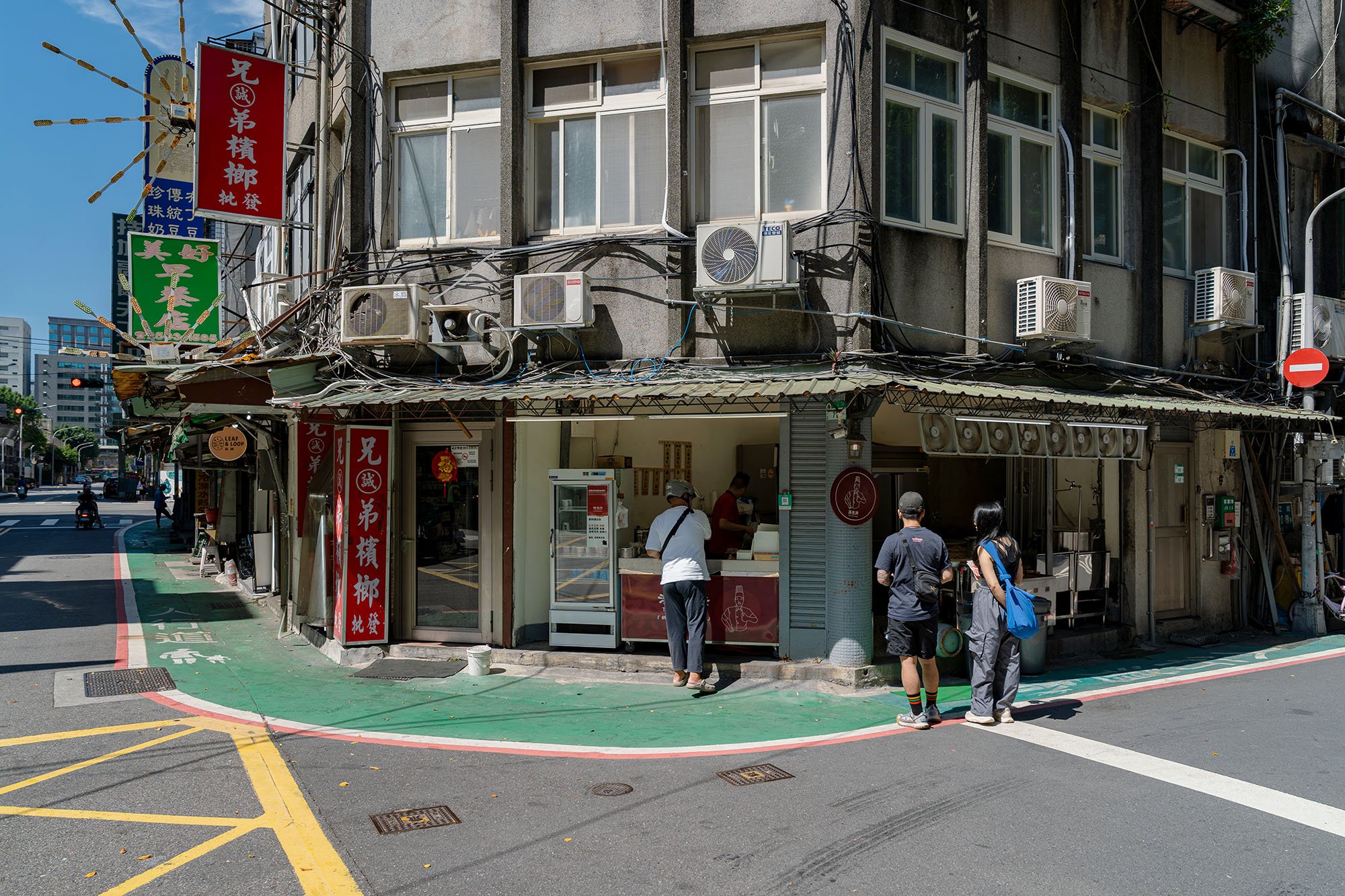
A good alternative to Din Tai Fung is Tang Bao Hung, a local take out shop located in the Zhongshan District, specializing in xiaolongbao.
The xiaolongbao here was like no other that I’ve had. Topped with green onions, the skins were thin and the broth was on the richer side with a strong star anise flavor.
There are no seats to eat at, but there was a park right across the street, which was great in helping us enjoy our fresh box of delicious xiaolongbao.
Luckstar 24hr HK Style Restaurant
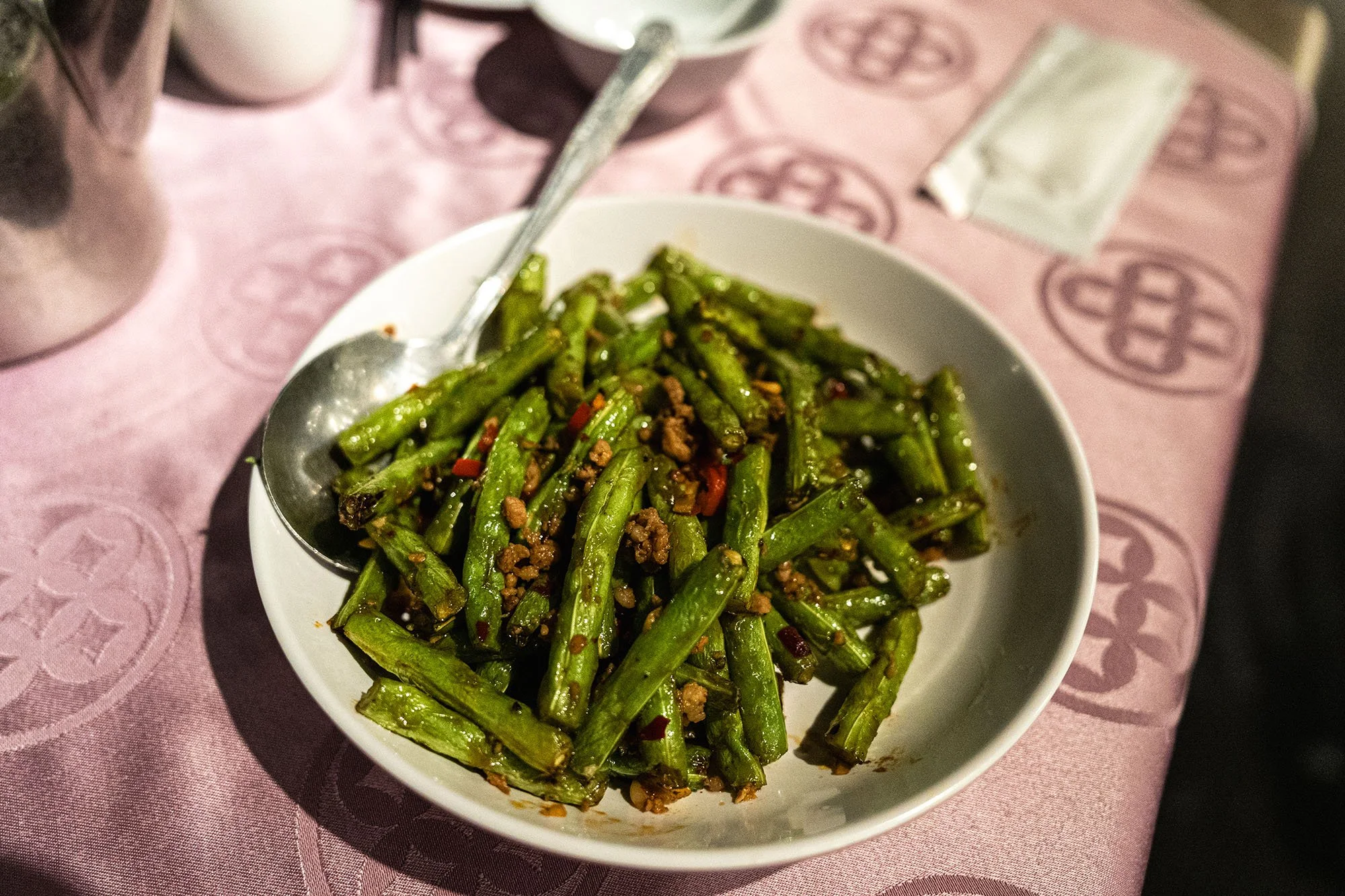
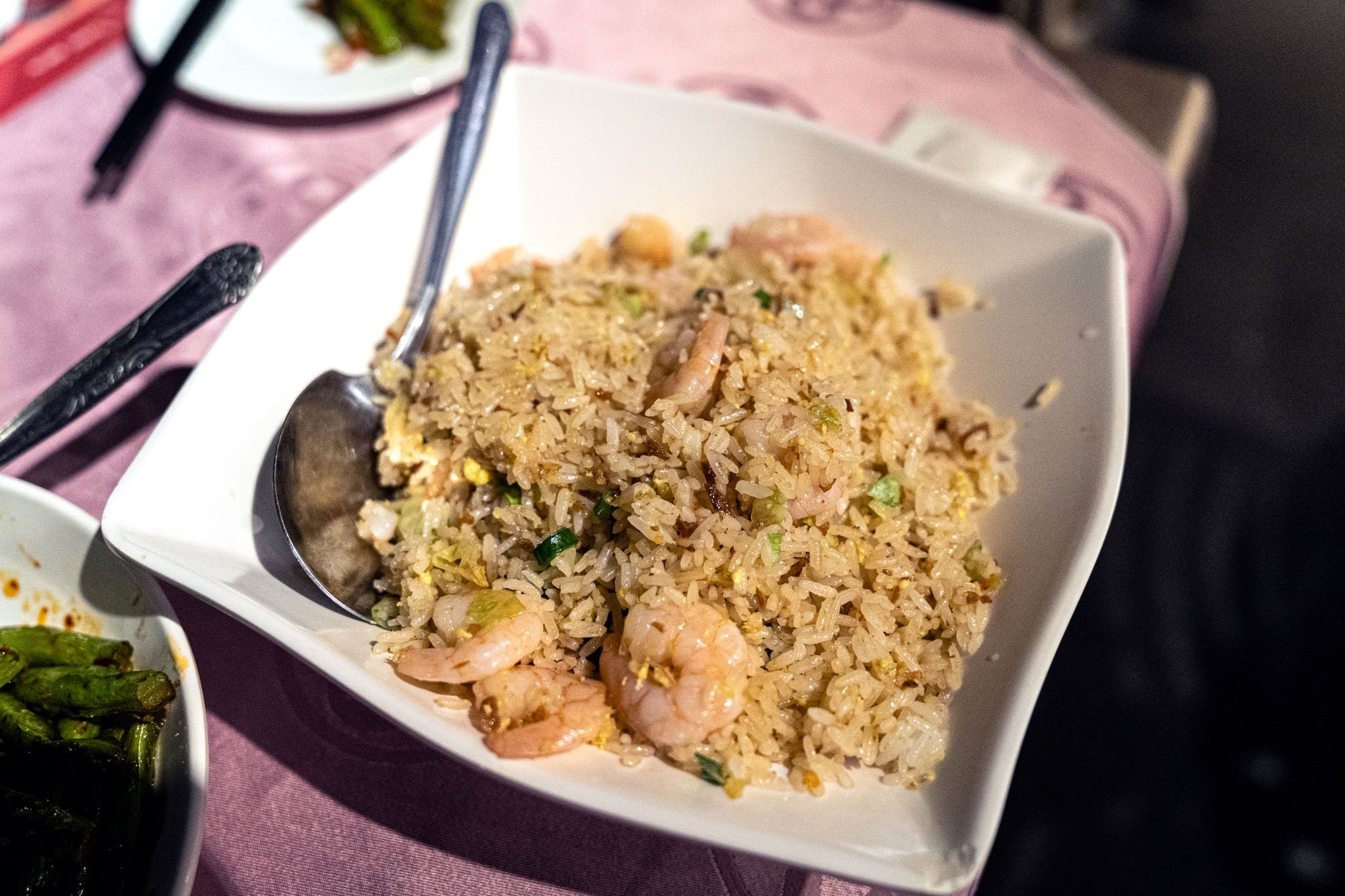
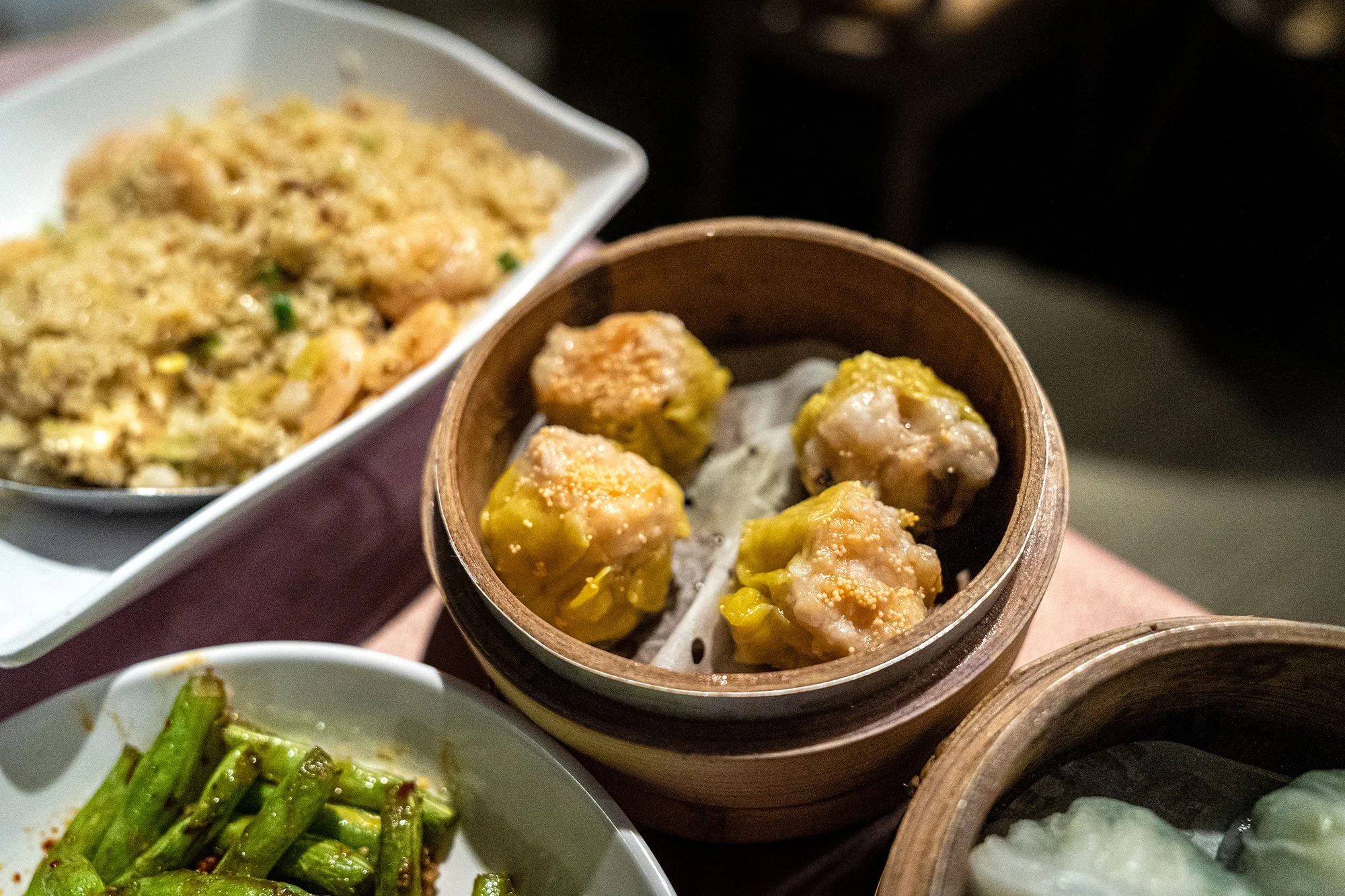
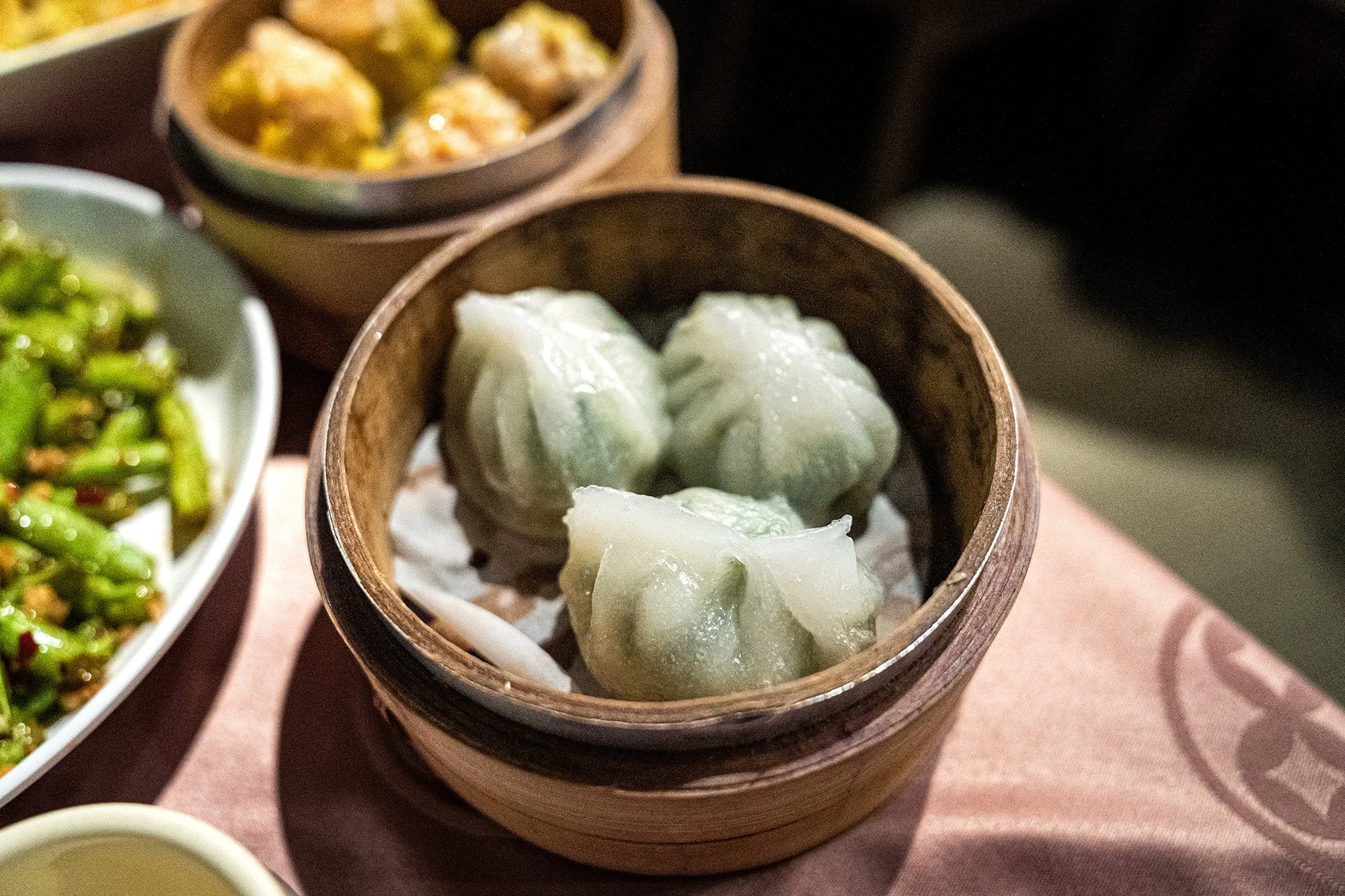
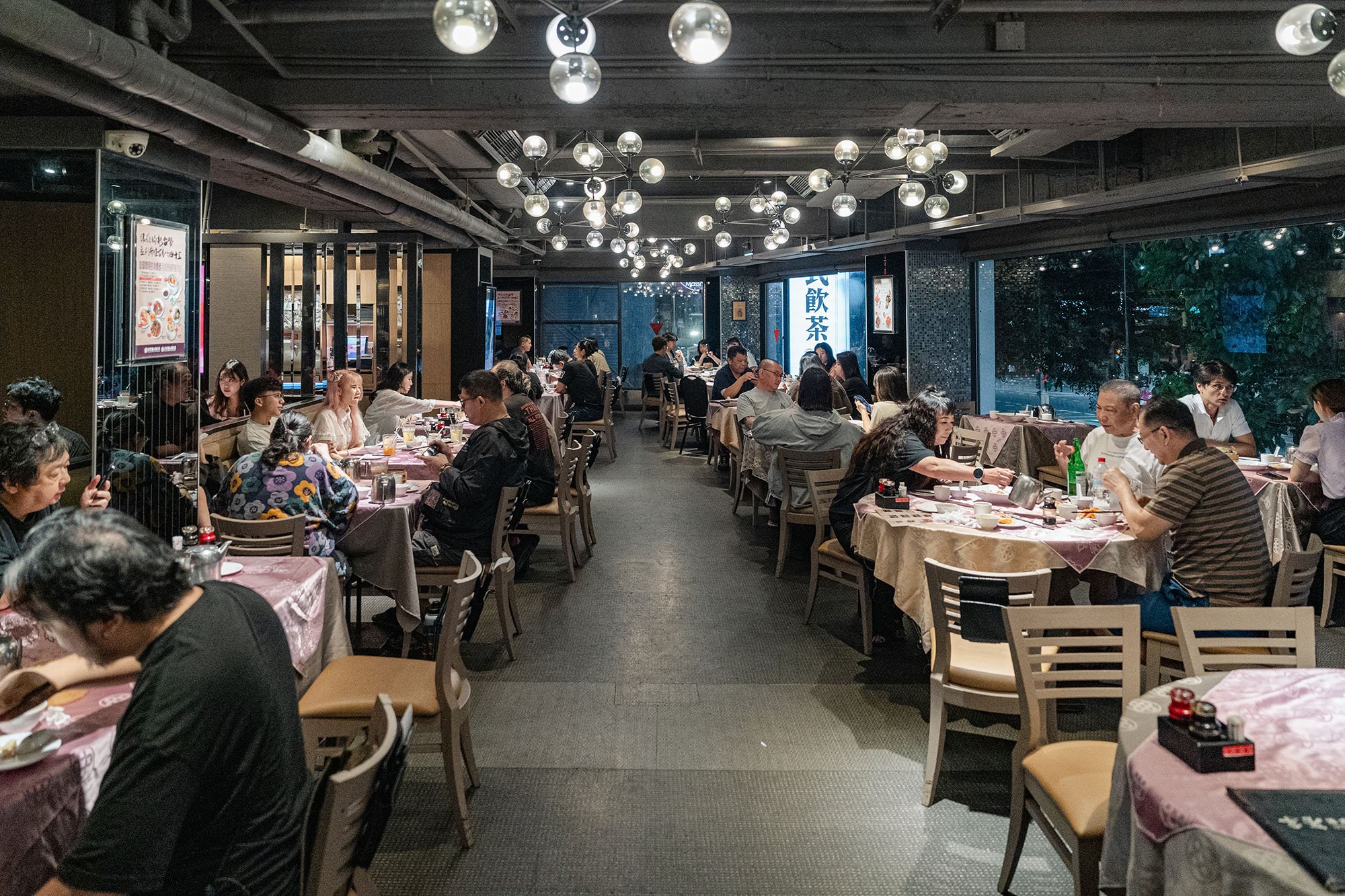
Delicious food at a Hong Kong cuisine restaurant that’s open 24 hours a day.
Located on the second floor, Luckstar was like the experiences I’ve had in Hong Kong where it’s uncommon to have a bad meal. The dishes here were so flavorful and addicting, and even when we left after 10 PM, there were locals waiting for a seat. It’s easy to see why.
A cultural note, but when you’re seated, there are side dishes already on your table. You’ll be charged for it, so tell the waiter if you don’t want them.
https://www.citystar.com.tw/ [TW]
D23 Coffee Roasters
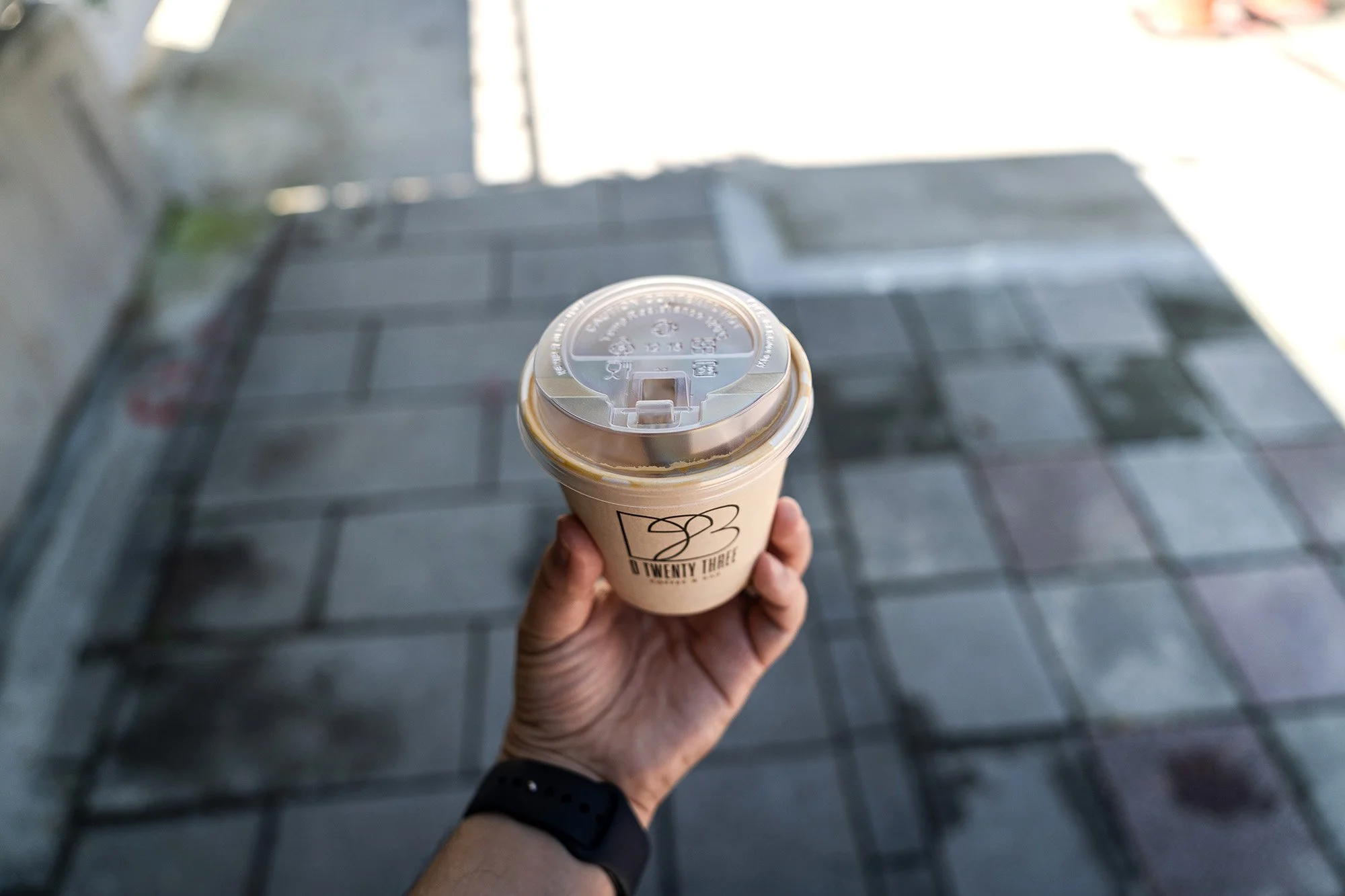
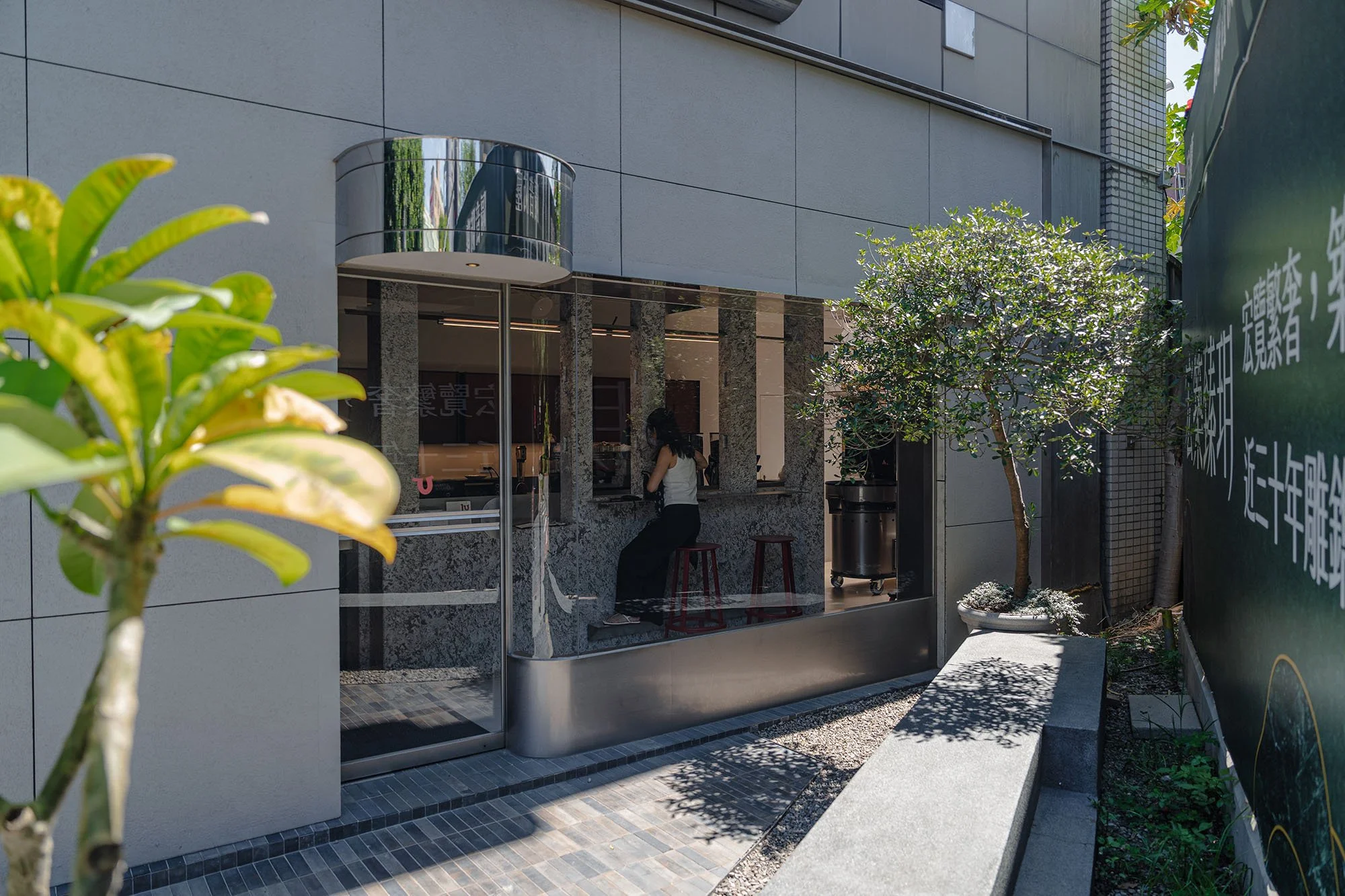
A delicious coffee find. This location of D23 Coffee Roasters is tucked in a corner in the Zhongshan District. It’s a small shop with a few counter seats and a couple of tables, but it’s nicely decorated and the coffee is surprisingly very good.
I only took out an iced latte, but it was one of those rare times when even a basic-level coffee drinker like myself immediately realized it was different. I also bought some beans because it was that good.
Highly recommend stopping by if you have a chance.
Keep in touch:


Maybe the most photogenic city in the world, Hong Kong is also a favorite of mine.